The Social Sphere: From the Living Word to the Digital Echo
The social sphere is the fabric of our society. It is permeated with communication, interaction, and the exchange of thoughts and feelings. While face-to-face conversation used to be the primary means of this exchange, today another powerful channel has been added: computer chat.
Conversation vs. Chat: Two Sides of the Same Coin
In conversation, we see the eyes of the other person, hear intonations, and pick up on nonverbal cues. This allows us to better understand each other, sense the emotional subtext, and build a deeper connection. Conversation is a living, dynamic process where we can instantly respond, clarify, and develop our thoughts.
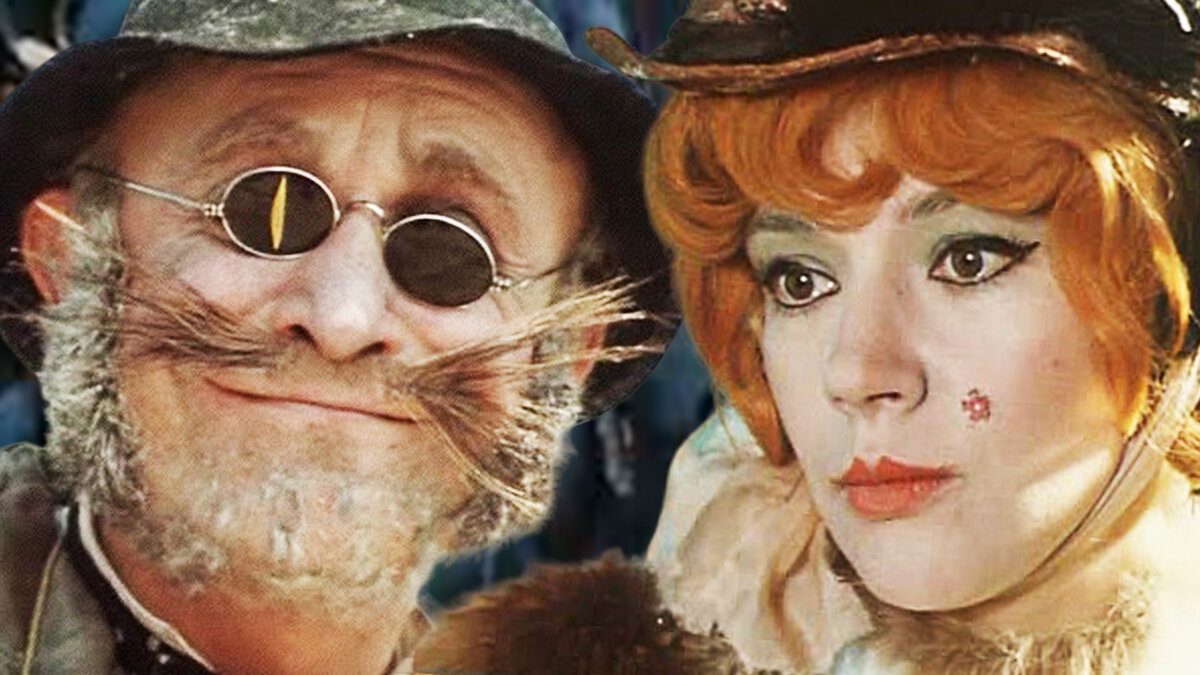
Chat, on the other hand, offers its advantages. It allows you to communicate remotely, at any time, with multiple people simultaneously. In chat, we can think through our words and edit them before sending them. This can be useful for those who dislike spontaneity or need time to formulate their thoughts. However, chat lacks many of the nuances of face-to-face communication, which sometimes leads to misunderstandings and distorted meaning.
Cult of Personality: From Admiration to Worship
A cult of personality is a phenomenon where a person or group places someone on a pedestal, attributing exceptional qualities, infallibility, and boundless wisdom to them. This could be a charismatic leader, a talented artist, or even a fictional character. At the core of a cult of personality is the need for an ideal, someone to emulate and trust.
Human Toxicity: The Poison That Poisons Relationships
Toxicity is destructive behavior that poisons relationships and negatively impacts others. Toxic people can be manipulative, critical, envious, and aggressive. They often strive to dominate, devalue others, and induce guilt. Communicating with a toxic person is draining, sapping energy, and can lead to serious emotional problems.
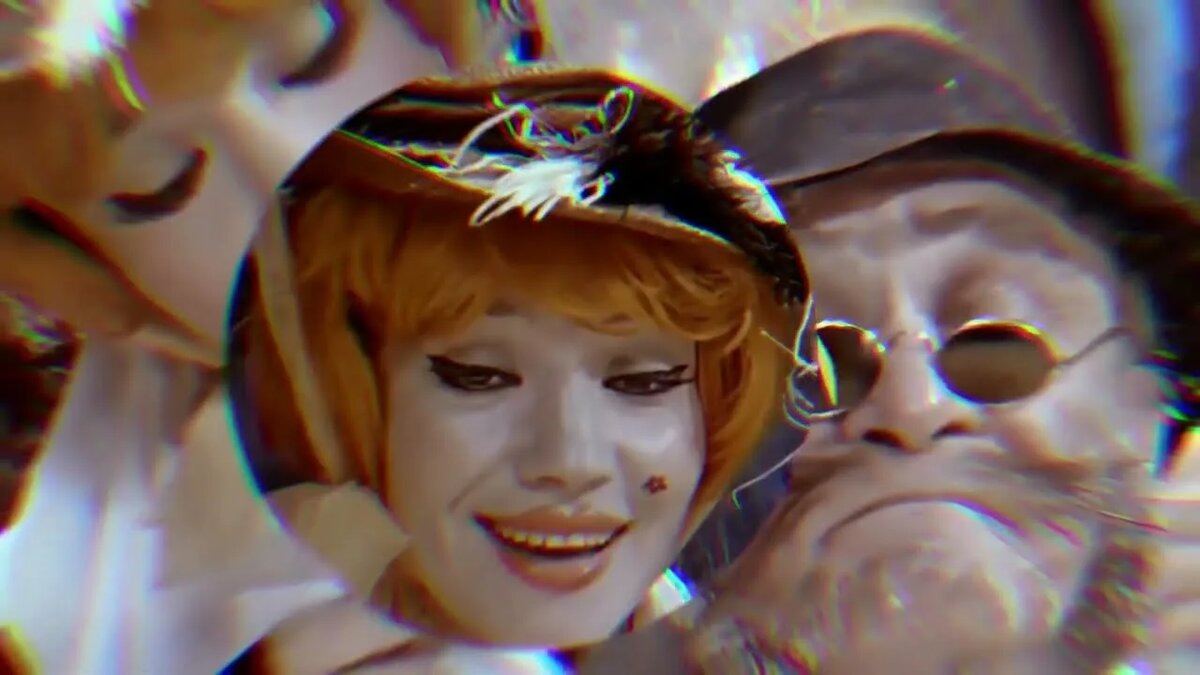
Buratino and his "cult" antagonists
In Alexei Tolstoy's fairy tale "The Golden Key, or the Adventures of Buratino," we find striking examples of both a personality cult and toxicity.
The personality cult of Alice the fox and Basilio the cat:
Alice the fox and Basilio the cat are not just con artists, but true masters of manipulation. They create an aura around themselves as "wise" and "experienced" mentors who "know how to live." They skillfully prey on Buratino's naivety, promising him untold riches and an easy life. Buratino, being gullible and inexperienced, falls under their influence, seeing them as authorities he can trust. This is precisely the manifestation of a personality cult—blind trust and admiration based on false promises and deception.
The Cult of Toxicity: Alice the Fox and Basilio the Cat:
Their toxicity manifests itself in everything. They lie, deceive, blackmail, and intimidate. They exploit Buratino for their own selfish ends, without regard for his well-being. Their behavior is destructive to Buratino, depriving him of money, freedom, and faith in goodness. They don't just deceive; they revel in their power over him, in his helplessness. This is the cult of toxicity—when a person not only commits bad deeds, but does so with pleasure, savoring the suffering of others and their own impunity.
In Conclusion
These characters, despite their fairytale quality, serve as a vivid reminder of how easy it is to fall victim to both an artificially created cult of personality and outright toxicity. In today's world, where information spreads at incredible speed and the boundaries between real and virtual communication are blurring, these phenomena are taking on new forms and dimensions. Fox Alice and cat Basilio, with their sophisticated methods of deception and manipulation, could easily master the digital space, creating fake accounts, spreading disinformation, and cultivating groups of naive followers thirsty for easy solutions and quick results. Their "cult" is built not on real achievements, but on their ability to exploit human weaknesses: greed, laziness, and the desire for miracles.
In the context of modern society, where social media has become an integral part of life, a "cult of personality" can form around bloggers, influencers, and media personalities who, like Alice and Basilio, create the illusion of an ideal life, expertise, or unique knowledge. Their "followers" may blindly trust every word, buy recommended products, and follow advice without critically examining it. This leads to people losing the ability to think independently and becoming vulnerable to manipulation and Ponzi schemes disguised as "investment projects" or "personal growth courses."
The "cult of toxicity" is also reflected in the digital world. Trolling, cyberbullying, the spread of hatred and aggression in comments and chats—all these are manifestations of toxic behavior that, like the actions of Alice and Basilio, are aimed at harming, humiliating, and suppressing others. The anonymity of the internet often gives free rein to those who wouldn't dare do such things in real life, creating a sense of impunity and reinforcing destructive tendencies. Toxic people online can band together, creating "cults" of hate where they feed off each other's negative emotions and justify their actions.
Thus, the tale of Buratino, despite its simplicity, remains relevant and instructive. It reminds us of the importance of critical thinking, the ability to recognize deception and manipulation, and the need to protect ourselves from toxic influences. In a world where the boundaries between reality and fiction are becoming increasingly blurred and communication is moving digital, these lessons become even more valuable. We must learn not only to recognize "Alice the fox" and "Basilio the cat" in their traditional guises, but also to recognize their new, digital incarnations, lest we fall victim to their "cults" – be it a cult of false ideals or a cult of destructive toxicity. Only by developing our inner "golden key" – the ability to analyze, empathize, and self-preserve – can we overcome all trials and find our way to a happy future.
The photographs are taken from the film "The Adventures of Buratino."
"The Adventures of Buratino" is a Soviet two-part musical television film directed by Leonid Nechayev, based on Alexei Tolstoy's fairy tale "The Golden Key, or the Adventures of Buratino." It was produced at the Belarusfilm studio in 1975. It is considered a cult classic. Its television premiere took place on January 1 and 2, 1976, on the First Channel of the Central Television of the USSR. In 2022, it was restored at the Belarusfilm studio.