Published: January 18, 2021
Updated: January 28, 2025
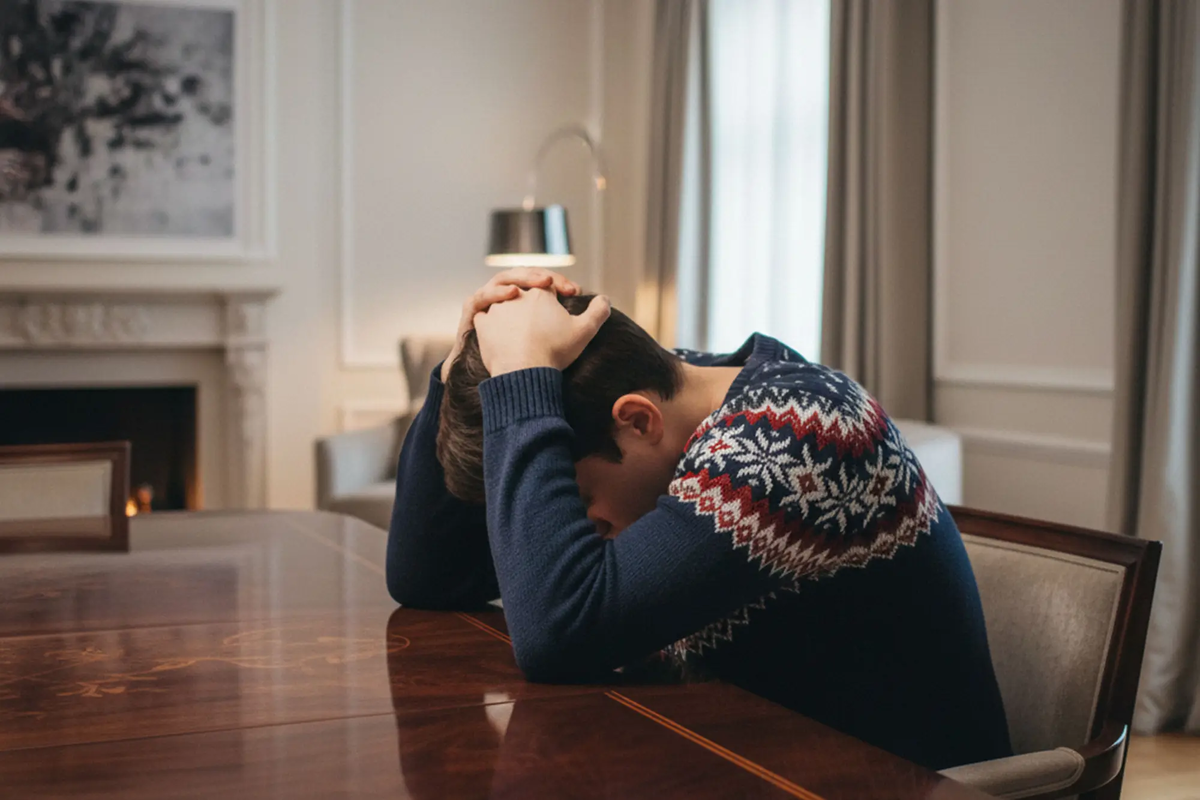
As the colder months approach and daylight hours shrink, many people notice a shift in their mood, motivation, and energy levels. This emotional dip is more common than most realize and for some, it can progress into a form of depression known as Seasonal Affective Disorder (SAD) [1].
According to the American Psychiatric Association, SAD may begin at any age but usually starts between the ages of 18 and 30 years old [2].
While winter itself isn’t the problem, the combination of reduced sunlight, disrupted routines, and biological changes can significantly affect mental well-being.
In this article, we explore what SAD exactly is, what causes it, which population segments are most impacted, its symptoms, and how it differs from the winter blues. We’ll also share practical, evidence-based strategies to help combat seasonal depression and improve your mood during the darker months.
What Is Seasonal Affective Disorder (SAD)?
Seasonal Affective Disorder is a type of clinical depression with a seasonal pattern. The condition commonly begins in late fall and lasts through the winter months, with symptoms often improving in spring as sunlight returns [1].
According to research, seasons have a great impact on mental health. For example, a study from Denmark, published in the Journal of Affective Disorders [3] showed a significant correlation between depressive symptom scores (measured using a tool called the Beck Depression Inventory) and minutes of sunshine, global radiation, length of daylight, and temperature. However, no significant association was observed with cloud cover, rainfall, or atmospheric pressure.
People living in the Northern Hemisphere start noticing symptoms around October or November. The condition typically worsens in December, when daylight hours are at their lowest. Symptoms tend to improve in in March or April. While there is little research about the condition in the southern hemisphere, people may experience such changes during June, July, and August [4].
These findings support the theory that a lack of light is a contributing factor in the development of winter depression or winter blues. The condition became so recurrent that scientists gave it a specific name – Seasonal Affective Disorder (SAD).
What Causes Seasonal Affective Disorder (SAD)?
While the exact cause isn’t fully understood, reduced sunlight is thought to trigger SAD in people who are prone to it. Contributing factors may include [2]:
- Biological clock shifts: Less sunlight can disrupt your internal clock (circadian rhythm), affecting mood, sleep and hormones.
- Serotonin imbalance: Sunlight helps regulate serotonin (a brain chemical linked to happiness); lower levels in winter can worsen symptoms.
- Vitamin D deficiency: Sunlight boosts vitamin D production, which supports serotonin production. Reduced sun exposure can affect mood.
- Melatonin changes: Less sunlight may increase melatonin, leading to sleepiness and sluggishness.
- Negative thoughts: Stress and anxiety about winter may play a role, though it’s unclear if they are a cause or effect.
Understanding these factors can help individuals recognize early signs of SAD and seek strategies to manage symptoms and improve overall well-being during the darker months.
People at Higher Risk for Seasonal Affective Disorder
Certain groups are more likely to experience SAD [4]:
- Women, as SAD is about four times more common in women than in men.
- Young adults, with a typical age of onset between 18 and 30 years.
- Individuals living farther from the equator or cloudy regions, where winter daylight is more limited.
- People with a family history of depression, bipolar disorder, or seasonal affective disorder (SAD).
What Is the Difference Between Sad and Winter Blues?
Although the terms SAD and winter blues are often used interchangeably, they are not the same.
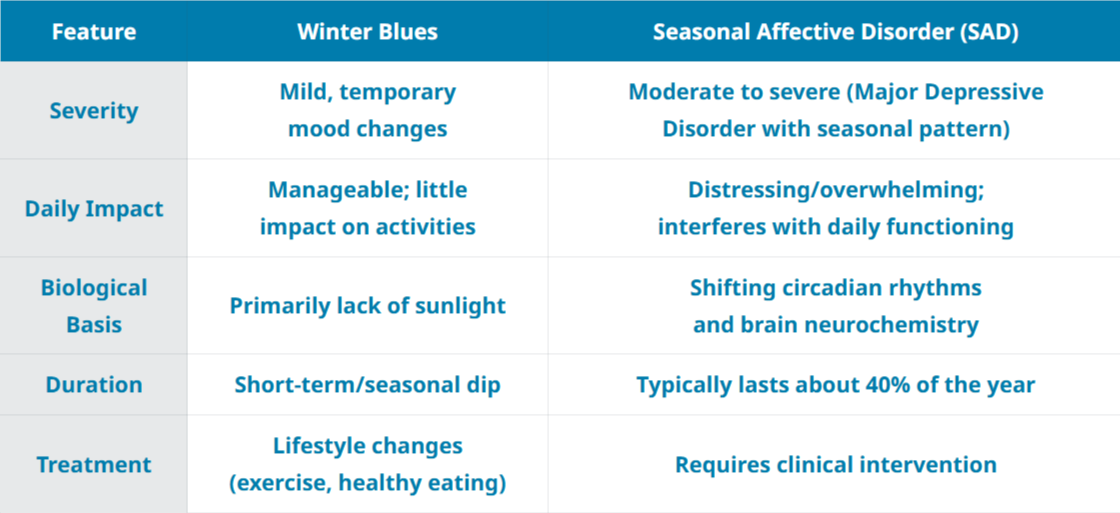
SAD is a type of depression with intense and persistent symptoms that interfere with work, relationships, motivation, and overall functioning. Winter blues, on the other hand, refers to mild, temporary mood changes, such as lower energy or slight sadness. These symptoms are manageable and don't significantly affect daily life [1].
Below is a comparison of SAD and winter blues to highlight their differences.
Seasonal Depression Symptoms
If you are wondering how to know whether you have SAD, here is a list of the most common seasonal affective disorder symptoms [1]:
- Losing interest or pleasure in activities that once felt enjoyable or meaningful.
- Noticing changes in appetite, often eating more than usual and craving carbohydrate-heavy foods.
- Sleeping more than normal or feeling like rest never quite feels refreshing.
- Feeling persistently tired or low on energy, even after extended periods of sleep or a consistent sleep schedule.
- Feeling either unusually restless (such as pacing or struggling to sit still) or noticeably slowed down in movement or speech in ways others may observe.
- Struggling with concentration, clear thinking, or making everyday decisions.
- Experiencing ongoing feelings of worthlessness, excessive guilt, or harsh self-criticism resulting in social withdrawal.
- Having recurring thoughts about death, suicide, or feeling overwhelmed by thoughts of not wanting to continue.
These symptoms are not just “winter blues”, they significantly interfere with daily life, work, relationships, and overall functioning.
A key clue that symptoms may be SAD rather than non-seasonal depression is that they appear around the same time each year and mostly disappear when spring and longer daylight hours return.
Wellness Tips to Avoid Seasonal Depression (SAD)
As individuals, we can’t really influence the weather on a global level. But there are some routines many people can put in place to improve mental state and avoid falling into a depressive state.
1. Foods that help with mental health and depression
Eating healthy plays a key role in supporting both physical and mental well-being, especially during periods of stress or seasonal changes. Adopting balanced nutrition habits—such as prioritising whole foods, fruits, vegetables, lean proteins, and healthy fats—can improve energy levels, mood stability, and overall resilience, as highlighted in Sunstar’s healthy thinking articles.
Understanding how different nutrients affect the body is equally important. For example, knowing the difference between good and bad cholesterol can help you make smarter dietary choices that support heart and brain health.
Early research in nutritional psychiatry included cross-sectional epidemiological studies reporting associations between diet quality and mental health outcomes, including depression and anxiety [5]. Another meta-analysis confirmed that dietary interventions significantly reduce depressive symptoms [6].
In addition, deficiencies of some micronutrients can contribute to the development of depression. The ones that have received particular attention were omega-3 fatty acids, B vitamins (including folate/B9 and B12), vitamin D and zinc [7].
In practical terms, ensuring the presence of the mentioned micronutrients in your diet helps to prevent depressive symptoms or improve your mental state when already present. Some examples of food rich in these micronutrients are:
- Omega-3 fatty acids are present in large amounts in fish and other seafood (especially cold-water fatty fish, such as salmon, mackerel), nuts and seeds.
- Leafy green vegetables and legumes are full of folates.
- Zinc: is abundantly present in oysters, red meat, and poultry.
- Finally, fruits and vegetables are full of antioxidants and fiber, and should therefore be a basic part of a healthy diet [7].
Ensuring that the mentioned elements are in the diet is a simple way that can help avoid depressive states.
2. Vitamin D for seasonal depression
Vitamin D plays a crucial role in supporting neurological function, mood regulation, and the immune system. Because sunlight is the primary natural source for its synthesis, levels often decrease during the winter months, which is a key factor associated with the onset of Seasonal Affective Disorder (SAD) [8].
While research into its effectiveness as a standalone treatment shows varying results, current evidence suggests that Vitamin D supplementation may be a beneficial part of a preventative or therapeutic plan for depression, particularly during low-sunlight seasons [8].
In addition to supplements, integrating Vitamin D-rich foods, such as oily fish (salmon and mackerel), fortified dairy, and egg yolks, can help support healthy energy levels and mood stability throughout the year [7][8].
3. Light therapy for SAD
Light therapy is the treatment of choice for patients with winter blues. Exposure to the bright light in the morning demonstrated a great level of efficiency and results in remission in two-thirds of patients with mild depressive episodes [9].
Light therapy using a bright light therapy box is a non-invasive approach for improving mood, energy levels and sleep regulation, particularly during periods of limited natural daylight [12]. A light box delivers high-intensity, full-spectrum light that mimics natural sunlight, helping to regulate the body’s circadian rhythm, prevent melatonin imbalances and support serotonin production. Regular use of a light box in the morning for a short, consistent duration can reduce symptoms associated with seasonal affective disorder (SAD), winter fatigue, and disrupted sleep-wake cycles [12].
In addition to clinical SAD light therapy, there are simple strategies that can help improve mood during winter:
- Get as much natural sunlight as possible, even short periods (e.g. 15 minutes during lunch break)
- Maximize light exposure indoors, especially in work environments
- Include outdoor activity in your routine by exercising outdoors when possible
Sometimes it’s not feasible or very difficult to get enough sun during the day, especially in winter and for populations living in northern regions such as Scandinavia or parts of North America. However, it was demonstrated that although vitamin D is produced endogenously when the skin is exposed to the sun, it can also be obtained exogenously from several natural food sources (oily fish, red meat, egg yolks, etc.) or from food supplements. Indeed, a systematic review and meta-analysis concluded that taking vitamin D may improve depressive symptoms or even prevent them if taken in advance before winter darkness sets in [10][11].
4. Exercise to improve mood
Engaging in regular physical activity is a powerful, low-cost intervention that works through both psychological and physiological channels. Beyond just "staying fit," movement serves as a natural antidepressant by [13]:
- Stimulating neurotransmitters: Movement triggers the brain to produce endorphins, the body’s natural chemicals that promote a more positive outlook and a sense of well-being.
- Reducing biological stress: Exercise helps regulate the immune system by reducing pro-inflammatory cytokines (immune signals that drive inflammation). Since inflammation is closely linked to depressive symptoms, this reduction helps protect both the brain and body.
- Restoring sleep and energy: Physical activity helps re-align circadian rhythms, which are often disrupted during winter months. This leads to deeper, more restorative sleep patterns, which naturally stabilizes mood and daily energy levels.
Practical tips for winter
If the cold weather makes a standard exercise routine difficult, focus on accessibility and consistency rather than intensity:
- Outdoor exposure: Brief winter walks to combine movement with natural light.
- Indoor flexibility: Stretching routines or follow-along workout videos in your living room.
- Short bursts: As little as 10-20 minutes of daily movement is sufficient to begin regulating mood and counteracting the seasonal drop in physical activity. [13].
5. Emotional support in winter
Sometimes, psychological support is needed to help someone overcome the symptoms of winter blues. One of the methods proven to be efficient is Cognitive Behavioural Therapy (CBT), which tries to break down negative patterns and problems that seem overwhelming by changing the way people think about them [9].
Psychological support does not come only from specialists. Being surrounded by family and friends can have a very positive impact on mood.
The social and psychological aspects of prevention and treatment of winter blues are just as important as the physical ones. Feeling cared for and listened to, can reduce stress, increase motivation, and reduce feelings of sadness.
Maintaining connections through calls, meet-ups or support groups, helps individuals stay grounded and emotionally balanced through the darker months.
6. Consider Herbal Remedies and Supplements
Herbal remedies are often explored as complementary options for easing symptoms of seasonal affective disorder. Many people turn to herbs such as St John's Wort, saffron, and ashwagandha for their potential influence on mood and stress regulation, especially for individuals in regions where long winters and reduced daylight are common.
It is important to know that some herbs can interact with antidepressant medication, affect lab results such as a blood test, or be unsuitable for certain health conditions [14]. Therefore, remember to approach herbal remedies cautiously and in coordination with a healthcare provider. Even when they may be helpful, herbs should not replace professional medical treatment when it is needed.
When to Seek Help From a Mental Health Professional
Seasonal depression can often be managed, but certain signs require medical support. Consider contacting a mental health professional if symptoms [1]:
- Affect work, school or daily functioning
- Lasts more than two weeks
- Have an impact on relationships
- Come with suicidal thoughts or hopelessness
Speaking with a mental health professional can provide access to structured treatments like talk therapy, medication, or specialised treatment plan.
Managing SAD also involves recognizing when additional support is needed and maintaining a reliable support network. Guidance from a healthcare provider can help determine when to escalate care, and they may recommend community, clinical resources, or specific treatment options if symptoms worsen.
Sunstar’s Global Mission and Commitment to Health and Well-being
Sunstar’s mission focuses on promoting long-term well-being through research, innovation, and global businesses that support healthier lifestyles.
From oral care, to healthy foods and beauty, to industrial technologies, Sunstar is dedicated to empowering individuals with the knowledge and tools they need to maintain both physical and emotional health throughout the year.
References
[1] Cleveland Clinic. Seasonal depression [seasonal affective disorder]. Cleveland Clinic website. 2023 Oct 23. Available from: https://my.clevelandclinic.org/health/diseases/9293-seasonal-depression
[2] American Psychiatric Association. Seasonal affective disorder (SAD). American Psychiatric Association website. n.d. Available from: https://www.psychiatry.org/patients-families/seasonal-affective-disorder
[3] Molin J, Mellerup E, Bolwig T, Scheike T, Dam H. The influence of climate on the development of winter depression. Journal of Affective Disorders. 1996 Apr 12;37(2-3):151-5. Available from: https://www.sciencedirect.com/science/article/abs/pii/0165032795000909
[4] Melrose S. Seasonal affective disorder: an overview of assessment and treatment approaches. Depress Res Treat. 2015;2015:178564. doi:10.1155/2015/178564. PMID:26688752; PMCID:PMC4673349. Available from: https://pmc.ncbi.nlm.nih.gov/articles/PMC4673349/
[5] Jacka FN, Pasco JA, Mykletun A, Williams LJ, Hodge AM, O’Reilly SL, Nicholson GC, Kotowicz MA, Berk M. Association of Western and traditional diets with depression and anxiety in women. American journal of psychiatry. 2010 Mar 1;167(3):305-11. Available from: https://pubmed.ncbi.nlm.nih.gov/20048020/
[6] Firth J, Marx W, Dash S, Carney R, Teasdale SB, Solmi M, Stubbs B, Schuch FB, Carvalho AF, Jacka F, Sarris J. The effects of dietary improvement on symptoms of depression and anxiety: a meta-analysis of randomized controlled trials. Psychosomatic medicine. 2019 Apr;81(3):265. Available from: https://pubmed.ncbi.nlm.nih.gov/30720698/
[7] Mayo Clinic Store. Vitamins and supplements for mental health. Mayo Clinic website. 2024. Available from: https://store.mayoclinic.com/education/vitamins-and-supplements-for-mental-health/
[8] Jahan-Mihan A, Stevens P, Medero-Alfonso S, Brace G, Overby LK, Berg K, Labyak C. The role of water-soluble vitamins and vitamin D in the prevention and treatment of depression and seasonal affective disorder in adults. Nutrients. 2024 Jun 17;16(12):1902. Available from: https://pubmed.ncbi.nlm.nih.gov/38931257
[9] Partonen T, Lönnqvist J. Seasonal affective disorder. CNS drugs, 9(3), 203-212. Available from: https://doi.org/10.2165/00023210-199809030-00004
[10] Gloth, F. M., 3rd, Alam, W., & Hollis, B. 1999. Vitamin D vs broad spectrum phototherapy in the treatment of seasonal affective disorder. The journal of nutrition, health & aging, 3(1), 5–7.
[11] Kerr, D. C., Zava, D. T., Piper, W. T., Saturn, S. R., Frei, B., & Gombart, A. F. (2015). Associations between vitamin D levels and depressive symptoms in healthy young adult women. Psychiatry research, 227(1), 46–51. Available from: https://doi.org/10.1016/j.psychres.2015.02.016
[12] Walter L. Is it seasonal affective disorder or the winter blues? Psychology Today [Internet]. 2024 Nov 15 [cited 2025 Dec 18]. Available from: https://www.psychologytoday.com/us/blog/life-without-anxiety/202411/is-it-seasonal-affective-disorder-or-the-winter-blues
[13] Hossain MN, Lee J, Choi H, Kwak YS, Kim J. The impact of exercise on depression: how moving makes your brain and body feel better. Phys Act Nutr. 2024 Jun 30;28(2):43–51. doi:10.20463/pan.2024.0015. PMID:39097997; PMCID:PMC11298280. Available from: https://pubmed.ncbi.nlm.nih.gov/39097997/
[14] Izzo AA, Ernst E. Interactions between herbal medicines and prescribed drugs. Drugs. 2009;69(13):1777–98. Available from: https://pubmed.ncbi.nlm.nih.gov/19719333/