Everything below is my subjective opinion. You may disagree with it - or you could simply try applying this approach in your own life.
The urge to replace the word “problem” (scary, overwhelming, complex?) with softer terms like “situation,” “challenge,” or “issue” is often an attempt to downplay its significance. It’s self-deception - a way to convince yourself that you can ignore it today (or tomorrow, next week, next year) and keep drifting along.
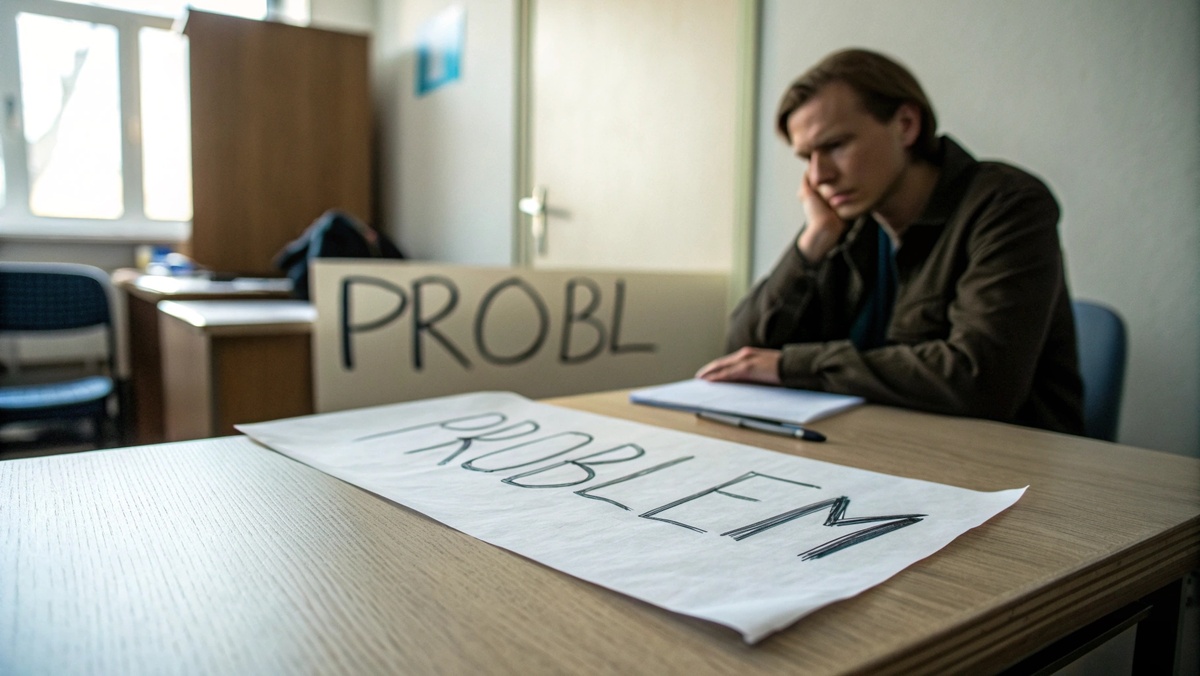
This habit fuels procrastination, causes problems to multiply and compound, drains your time and energy, and amplifies negative emotions.
Consider this example:
When you call a toothache a “problem,” you acknowledge its urgency. Your mind immediately starts seeking solutions. Deny it that label, and the inevitable outcome is losing the tooth.
Why do some avoid the word “problem”?
This often stems from fear: fear of being unable to cope, fear rooted in childhood punishments for mistakes, or fear of seeming inadequate to people whose opinions matter.
Words carry subjective weight. To some, “meeting someone new,” “public speaking,” or “a competition” sparks excitement. To others, these words trigger anxiety, sweaty palms, and crippling stress.
The same applies to “problem.” Those who habitually take responsibility see it as a “task” - a puzzle waiting for a solution. Those who avoid challenges, however, spiral into despair at the mere mention of the word.
The smarter approach? Reframe - not replace.
Instead of swapping “problem” for gentler terms, consciously shift its meaning. Seasoned problem-solvers know: “problem” only exists while you’re passive. Take the first step, and it transforms into a “task” or “goal.”
Avoiding the word before acting backfires. Your brain registers a false signal - “progress has started!” - only to crash into despair when reality shows no change. This falsely confirms your helplessness.
Yes, “problem” feels negative. We instinctively recoil from discomfort, like a splinter. But ignore a rusty splinter, dismissing it as “no big deal,” and you risk infection, festering, and severe pain. The same logic applies to life’s “small” issues.
Here’s the shift:
Start resolving problems - beginning with the simplest. Each solved challenge signals your competence. You gain energy. Your self-esteem rises. You realize even the most daunting obstacles have solutions.
Calling problems “problems” (or masking them) is your choice. But I challenge you:
🔥 For two weeks, call every issue by its true name.
Observe how your clarity, energy, and confidence shift.
What do you think?
Dare to call problems “problems”?
"This article was translated into English using AI."
© Andrey Bryankin, Crisis Psychologist for Families & Businesses, Certified Hypnotherapist