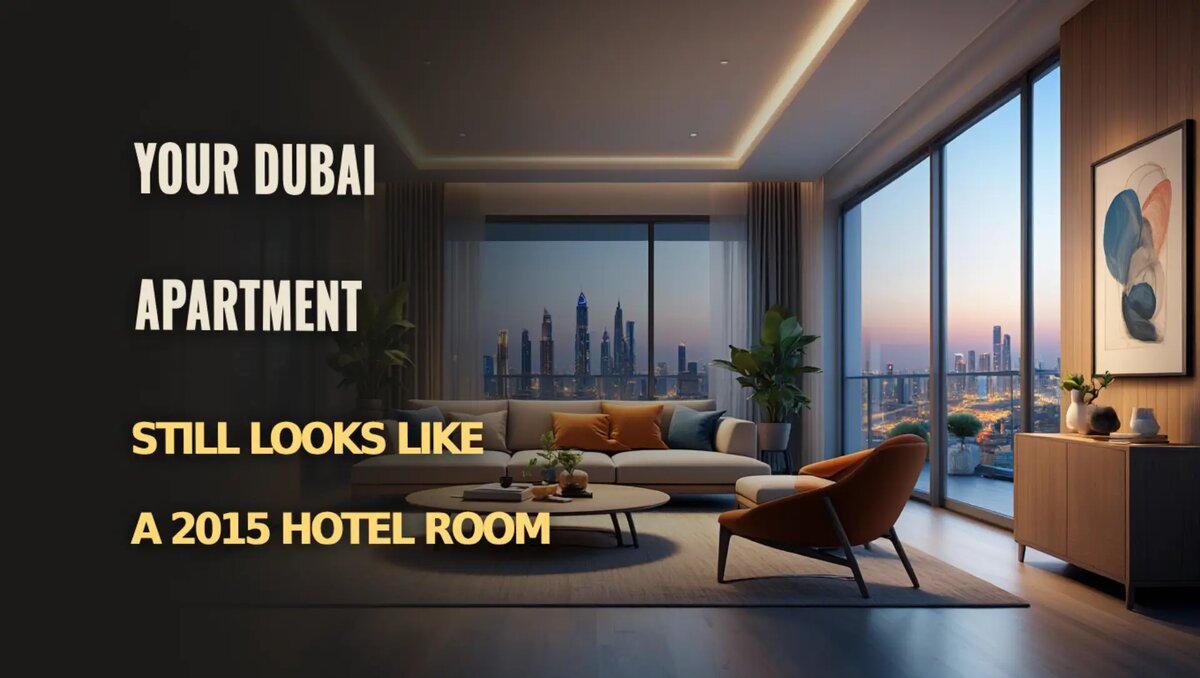
Walk into most Dubai homes purchased in the last decade, and you’ll instantly recognize the developer’s signature style — beige walls, generic marble countertops, builder-grade fixtures that scream “maximum profit, minimum personality.” After several years of living in such a space, even the most patient owners begin to feel like they’re living in a beautiful but impersonal hotel.
If you’ve caught yourself scrolling through Instagram comparing your bland living room to those gorgeous makeovers, wondering why your expensive Dubai property still feels so… impersonal — you’re experiencing what thousands of residents face. The developer finishes that looked acceptable during purchase viewing now feel dated, cramped, or simply wrong for how your family actually lives.
Here’s what’s interesting: most Dubai homeowners delay renovation projects for years, assuming they’re too expensive or complicated. Meanwhile, they continue living in spaces that don’t reflect their style or meet their functional needs, all this time missing the opportunity to create a home that truly suits their lifestyle.
The truth about home renovation in Dubai is both more complex and more achievable than most people realize.
The AED 100K Project That Cost AED 280K
Let me share Ahmad Hassan’s story because it illustrates what goes wrong when Dubai homeowners approach renovation projects without understanding the local reality.
Ahmad bought a 2-bedroom apartment in Business Bay in 2021, planning a “simple refresh” — new paint, updated kitchen counters, modern lighting fixtures. His initial budget: AED 95,000 based on online cost calculators and advice from friends who’d renovated years earlier.
Six months later, Ahmad had spent AED 280,000. What happened?
First, Dubai Municipality permits cost AED 18,000 — not included in the initial calculations. Then structural issues emerged during kitchen work, requiring engineering consultation and additional approvals. The “simple” electrical updates needed complete panel replacement to meet current codes, adding AED 35,000. Temporary accommodation during the 4-month project (originally planned for 6 weeks) cost another AED 24,000.
Most expensive was the discovery that his building’s management company required specific contractor insurance and working hour restrictions that doubled labor costs. Ahmad’s contractor hadn’t mentioned these requirements upfront, assuming Ahmad already knew.
The lesson isn’t that renovations always exceed budgets dramatically — it’s that Dubai’s regulatory environment creates costs and complexities that generic renovation advice doesn’t address.
Three Types of Dubai Renovations
Understanding which category your project falls into determines everything from budget requirements to timeline expectations, and what’s particularly important — whether you can remain in your home during work.
Surface-Level Refresh Projects
These involve cosmetic changes within existing layouts — painting, flooring replacement, fixture updates, cabinet refacing. No structural changes, minimal permits required, typically completed within 4-8 weeks.
Budget range: AED 300-800 per square meter depending on material choices and labor requirements. Most families can remain in residence with minor disruptions.
The appeal lies in dramatic visual improvement for relatively modest investment. However, surface refreshes don’t address functional layout problems or add storage space, leaving some homeowners unsatisfied despite beautiful new finishes.
Functional Layout Changes
These projects reconfigure spaces within existing square footage — removing walls, relocating kitchens, combining rooms, adding built-in storage. Structural assessments required, multiple permits needed, 8-16 week timelines typical.
Budget range: AED 800-1,500 per square meter including engineering consultations and permit fees. Temporary relocation often necessary during major work phases.
Layout changes solve practical problems that surface refreshes cannot address, but require significantly more planning and coordination with building management and municipal authorities.
Comprehensive Transformations
Full-scale renovations involving structural changes, system upgrades, luxury finishes, and complete reimagining of spaces. Engineering required, extensive permits, 4-8 month timelines standard.
Budget range: AED 1,200-3,000+ per square meter depending on finish levels and complexity. Temporary relocation mandatory for most of construction period.
Comprehensive projects essentially create new homes within existing shells, offering unlimited customization but requiring substantial financial and logistical commitments.
Dubai Municipality’s Permit Maze
The permit process represents the biggest surprise for Dubai renovation newcomers, often adding months to project timelines and thousands of dirhams to budgets.
Minor Alteration Permits
Required for non-structural changes affecting building systems — electrical updates, plumbing modifications, fixture relocations. Processing time: 2-4 weeks. Cost: AED 5,000-15,000 depending on scope.
Documentation requirements include detailed drawings, contractor licenses, building management approvals, and completion certificates from qualified engineers.
Major Renovation Permits
Necessary for structural modifications, layout changes, or system overhauls. Processing time: 6-12 weeks. Cost: AED 15,000-40,000 plus engineering fees.
The documentation becomes extensive — structural assessments, architectural drawings, MEP (mechanical, electrical, plumbing) plans, fire safety compliance certificates, building management approvals, and neighbor notification requirements.
Special Considerations by Community
Different Dubai communities impose additional requirements beyond municipality permits. Dubai Marina properties often require marine environment compliance, Emirates Hills has architectural committee reviews, and older areas like Jumeirah may have heritage preservation considerations.
Some buildings impose their own restrictions — working hours, material delivery schedules, contractor insurance requirements, and noise limitations that aren’t covered by municipal permits but can significantly impact project costs and timelines.
Materials That Survive Dubai’s Climate
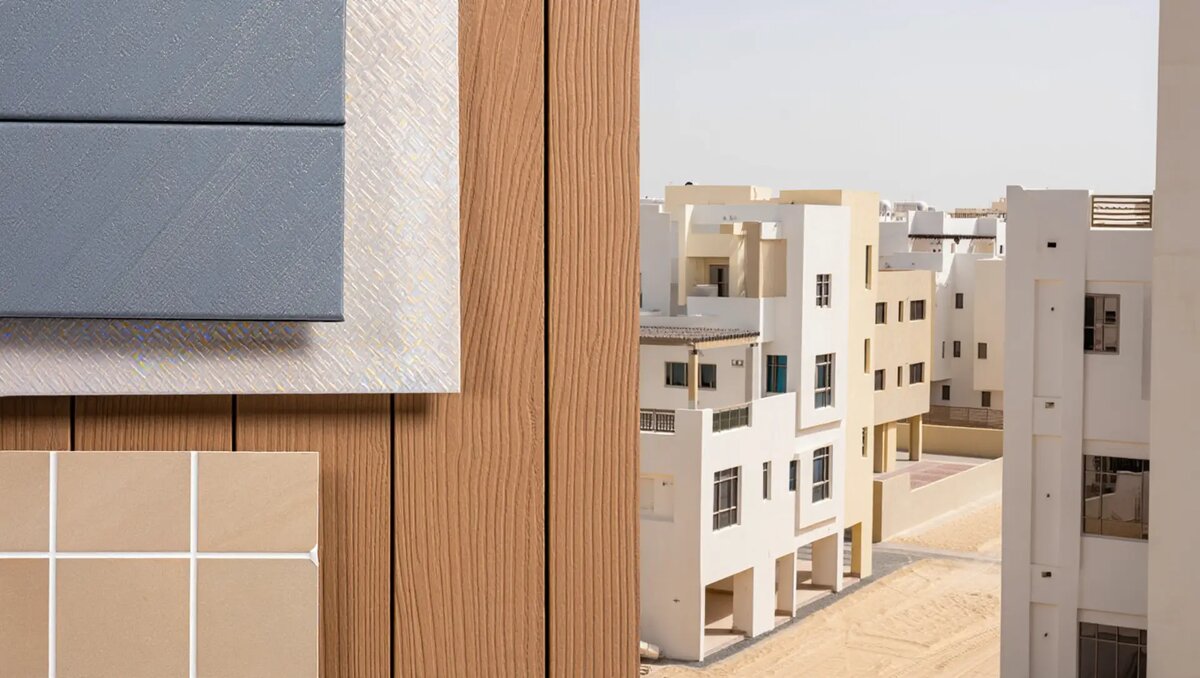
Choosing inappropriate materials for Dubai’s environment creates ongoing maintenance problems that undermine renovation investments within a few years.
Flooring Realities
Natural stone performs excellently in Dubai’s climate — marble, granite, and travertine maintain their appearance and don’t expand significantly with temperature changes. However, installation costs run 30-50% higher than synthetic alternatives.
Engineered hardwood offers wood aesthetics with better moisture resistance than solid wood, but requires climate-controlled environments. Cheaper laminate options often fail within 3-5 years due to edge swelling and UV fading.
Porcelain tiles provide excellent durability and design flexibility at moderate costs, while ceramic options offer budget-friendly solutions for areas with less demanding requirements.
Kitchen and Bathroom Considerations
Solid surface countertops (quartz, granite) withstand heat and humidity better than laminate or wood options. Stainless steel appliances resist corrosion better than painted finishes, though fingerprint visibility increases.
Bathroom fixtures should prioritize corrosion resistance — quality chrome or brushed nickel finishes, solid construction, and proper sealing. Cheap fixtures often require replacement within 2-3 years due to finish degradation or mechanical failure.
Paint and Wall Treatments
Premium paint formulations designed for high-humidity environments prevent peeling and fading common with standard paints. Wallpaper requires moisture-resistant adhesives and proper surface preparation to prevent lifting.
Natural materials like wood paneling or stone cladding create beautiful accent walls but require appropriate sealing and ventilation in Dubai’s climate.
The Contractor Selection Minefield
Dubai’s construction market includes world-class contractors and inexperienced operators charging similar rates, making selection crucial for project success.
Red Flags That Cost Money
Contractors requesting full payment upfront often lack working capital for materials and labor, creating cash flow problems that delay projects or compromise quality.
Quotes significantly below market averages usually indicate shortcuts in materials, labor, or permit compliance that create expensive problems later.
Inability to provide previous project examples in similar buildings suggests unfamiliarity with specific requirements your renovation will face.
Green Flags Worth Paying For
Contractors who discuss permit requirements and building regulations during initial consultations demonstrate professional understanding of Dubai’s regulatory environment.
Detailed written quotes breaking down materials, labor, permits, and timeline show systematic project management approaches that reduce surprise costs.
References from recent clients in similar properties provide insight into actual performance versus marketing promises.
Managing Contractor Relationships
Clear communication about expectations, timelines, and quality standards prevents misunderstandings that derail projects. Written change orders for modifications protect both parties when scope adjustments become necessary.
Regular progress meetings help identify problems early when solutions remain manageable rather than waiting until issues become expensive emergencies.
Living Through Major Renovations
Dubai’s rental market offers temporary accommodation options, but planning this aspect in advance prevents expensive last-minute decisions.
Short-Term Rental Solutions
Furnished apartments designed for business travelers often provide better value than hotel stays for renovation periods exceeding 2-3 weeks. Areas like Dubai Marina, JLT, and Business Bay offer numerous options.
Corporate housing services specialize in temporary accommodation with flexible lease terms and utility inclusion that simplify logistics during renovation periods.
Some contractors coordinate temporary housing as part of comprehensive renovation packages, streamlining logistics while potentially reducing overall costs through bulk arrangements.
Partial Relocation Strategies
Phased renovations allow families to remain in portions of their homes while work progresses in other areas. Kitchen renovations might proceed while bedrooms remain habitable, or master suite updates might advance while common areas continue normal use.
Temporary facility setup — basic cooking areas in other rooms, alternative bathroom arrangements — helps minimize displacement during critical phases.
Energy Efficiency Upgrades Worth Making
Dubai’s energy costs make efficiency improvements valuable long-term investments that continue providing returns throughout ownership.
HVAC System Optimization
Upgrading to variable-speed systems reduces energy consumption while improving comfort through better temperature control. Programmable thermostats and zoned systems allow customized comfort while minimizing waste.
Improved insulation — particularly around windows and doors — reduces system workload significantly. Proper sealing eliminates drafts that force systems to work harder maintaining desired temperatures.
Lighting and Electrical Updates
LED lighting reduces energy consumption by 60-80% compared to traditional options while providing better light quality and longer lifespans. Smart lighting systems offer additional convenience and energy savings through automated controls.
Electrical panel upgrades accommodate modern appliance loads while providing safety improvements and capacity for future additions.
Water Conservation Features
Low-flow fixtures reduce water heating costs while maintaining functionality. Smart irrigation systems for balcony gardens minimize waste while ensuring plant health.
Instant hot water systems eliminate waste from waiting for hot water while providing convenience that enhances daily routines.
Budget Planning That Actually Works
Successful Dubai renovations require understanding costs beyond basic construction and materials.
The 30% Rule
Experienced Dubai renovators budget an additional 30% beyond quoted construction costs for permits, temporary accommodation, utility upgrades, and unexpected discoveries. This buffer prevents project delays when surprise costs emerge.
Phased Investment Strategies
Breaking large renovations into phases spreads costs over time while allowing families to enjoy improvements sooner. Priority phases address most pressing functional needs first, with aesthetic improvements following later.
Return on Investment Reality
Not all renovation improvements provide equivalent returns. Kitchen and bathroom updates typically return 70-85% of investment, while highly personalized features may not appeal to future buyers.
Energy efficiency improvements provide ongoing operational savings that accumulate over time, making them valuable even when resale returns appear modest.
Trends That Actually Matter
Dubai’s design preferences evolve with international influences and local climate considerations, creating renovation opportunities that enhance both enjoyment and value.
Sustainable Luxury
High-end materials with environmental benefits — reclaimed wood, recycled glass surfaces, energy-efficient appliances — appeal to environmentally conscious buyers while providing excellent performance.
Indoor-Outdoor Integration
Balcony extensions and seamless transitions between interior and exterior spaces maximize usable area while taking advantage of Dubai’s favorable weather during cooler months.
Smart Home Integration
Automated systems for lighting, climate control, security, and entertainment provide convenience while appealing to tech-savvy buyers in Dubai’s international market.
When Renovation Makes Sense
Not every Dubai property benefits equally from renovation investment, making careful analysis important before committing significant resources.
Properties in established communities with strong appreciation trends typically support renovation investments better than those in oversupplied areas where improvements may not translate to equivalent value increases.
Personal enjoyment factors often justify renovations even when pure financial returns appear marginal. Families planning extended residence in properties may prioritize comfort and functionality over maximum resale optimization.
Market timing affects renovation decisions — improvements during strong real estate periods often provide better returns than those completed during market downturns, though personal benefits continue regardless of external conditions.
The decision ultimately depends on balancing financial considerations with lifestyle improvements and long-term housing plans. Dubai’s dynamic real estate market rewards thoughtful renovations that enhance properties while respecting local preferences and regulatory requirements.
Your Dubai home can evolve beyond developer specifications to reflect your family’s unique style and functional needs. Success requires understanding local conditions, planning comprehensively, and executing professionally — but the results transform daily living while building long-term value in one of the world’s most desirable real estate markets.