Добавить в корзинуПозвонить
Найти в Дзене
Alexander Dugin (Internacional)

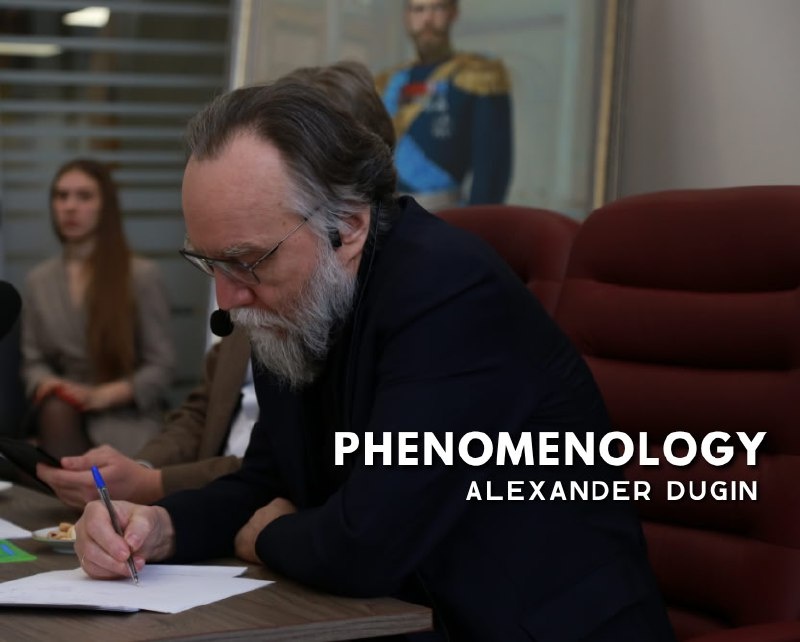
Phenomenology

Phenomenology Phenomenology is important because it affirms the primacy of the subject — its ontological sovereignty. This shatters the materialist axioms of Modernity, placing the object of intentionality within the process of thought and perception itself. The very term intentio — to be directed towards something — implies interiority. Franz Brentano, the founder of phenomenology, drew this idea from European scholasticism, especially from radical Aristotelianism within the Benedictine order (e.g., Friedrich von Freiberg and the Rhenish mystics), who emphasized the immanence of active intellect in the human soul. Brentano’s dissertation was on Aristotle’s doctrine of active intellect. While later developed by Husserl and brought to metaphysical heights by Heidegger, phenomenology reveals a pre-modern style of thinking that transcends nominalism, materialism, and atomism. It thus simultaneously reaches beyond Modernity and resonates with classical and medieval thought. Read the full

Phenomenology

Phenomenology is important because it affirms the primacy of the subject — its ontological sovereignty. This shatters the materialist axioms of Modernity, placing the object of intentionality within the process of thought and perception itself. The very term intentio — to be directed towards something — implies interiority. Franz Brentano, the founder of phenomenology, drew this idea from European scholasticism, especially from radical Aristotelianism within the Benedictine order (e.g., Friedrich von Freiberg and the Rhenish mystics), who emphasized the immanence of active intellect in the human soul. Brentano’s dissertation was on Aristotle’s doctrine of active intellect. While later developed by Husserl and brought to metaphysical heights by Heidegger, phenomenology reveals a pre-modern style of thinking that transcends nominalism, materialism, and atomism. It thus simultaneously reaches beyond Modernity and resonates with classical and medieval thought.

Read the full essay here:

https://www.multipolarpress.com/p/alternative-postmodernism