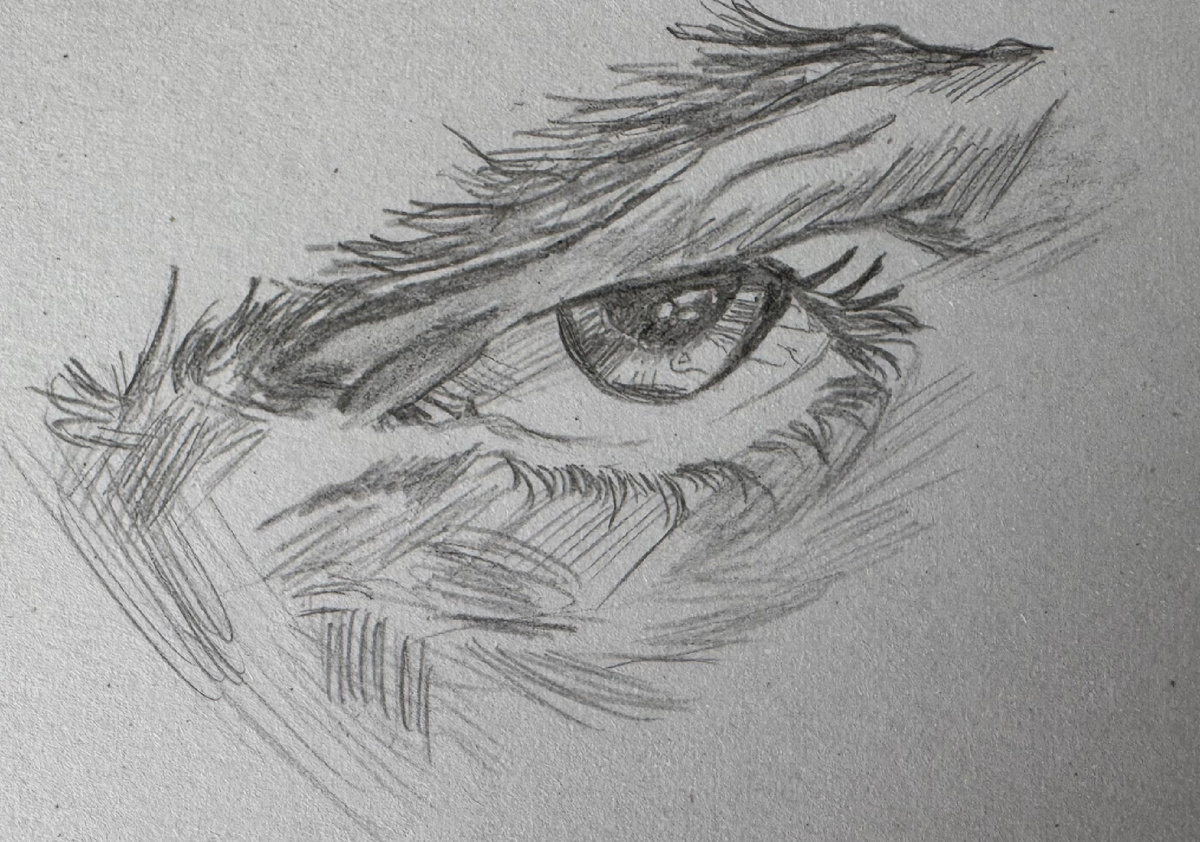
Сначала пройдемся по базе и разберемся с тремя хорошо всем знакомыми «see», «look» и «watch», и чем они отличаются друг от друга.
«See» - «видеть». Используем в данном значении, когда хотим сказать, что видим что-либо/кого-либо рядом, вокруг.
«I can see you!»
У «see» есть еще одно довольно часто используемое значение - «понимать», «знать», «осознавать»:
«I can see that» Suits.
«I can see why Jessica likes you.» Suits.
Теперь разберемся с «look».
«Look at» - посмотреть на какого-либо/что-либо.
«The twins looked at each other jubilantly but with some surprise». «Gone with the wind» Margaret Mitchell
«”I should go on in, I guess,” Clive Jr. admitted, looking at his watch.» Richard Russo «Nobody’s fool»
Кстати, здесь «watch» используется в значении наручных часов.
«Look in» означает нанести короткий визит, заглянуть к кому-либо:
«”I wonder if I should look in on her”». Richard Russo «Nobody’s fool»
«Look up» - посмотреть, оторвав взгляд от чего-то другого.
«I didn’t like her because sometimes, especially after our trip to Cobblestone Cottage, I’d look up and catch her studying me like I was a bug on a slide». Stephen King «Later»
«The men in the fields looked up at the clouds and sniffed at them and held wet fingers up to sense the wind.» John Steinbeck «The Grapes of Wrath»
«Look over» - взглянуть или смотреть поверх чего-либо; изучать что-либо, задерживая взгляд, рассматривать:
«Inside, one man, the truck driver, sat on a stool and rested his elbows on the counter and looked overhis coffee at the lean and lonely waitress. He talked the smart listless language of the roadsides to her.» John Steinbeck «The Grapes of Wrath»
«Outside, the seated man stood up and looked over the cowl of the truck and watched the restaurant for a moment.» John Steinbeck «The Grapes of Wrath»
«The driver looked over at him, slitting his eyes, and he chewed as though thoughts and impressions were being sorted and arranged by his jaws before they were finally filed away in his brain.» John Steinbeck «The Grapes of Wrath»
В первых двух примерах «look over» можно интерпретировать как «смотреть поверх какого-либо предмета», в первом случае водитель смотрит на официантку поверх своего кофе (судя по контексту здесь речь не идет о пристальном внимании); во втором случае - мужчина поднимает взгляд и смотрит поверх капота авто, а вот уже «watched for a moment» здесь говорит о том, что мужчина некоторый промежуток времени смотрит на здание, действие протяженное во времени.
В третьем примере, можно было бы перевести «look over» как «взглянул», но с другой стороны контекст, говорящий о прищуре и происходящем мыслительном процессе, склоняет нас скорее к выбору второго значения - «изучать, рассматривать».
«Look over there» используется как призыв посмотреть на что-либо.
«Look over there - there’s a secret door».
«Look for» - искать кого-либо/что-либо:
«He said something about a schooner that’s gettin’ ready to go off to some outlandish place to look for buried treasure, that he’d sail on her if his money held out.» Jack London «Martin Eden»
У «look» как и у «see» есть и другие значения, например, его можно использовать в значении «выглядеть»:
«Because he looked sad and I wanted to cheer him up, but also because I was so proud of it.» «Later» Stephen King
С «look» есть еще одно хорошее выражение - «Look at you!». Обычно используется, чтобы выразить удивление, радость или восхищение чьим-то внешним видом или поступком, успехом. Может выступать своего рода комплиментом.
Подобным образом мы можем похвалить, например, человека в первый раз вставшего на коньки. На самом деле ситуации могут бать абсолютно разными.
Теперь перейдем к «watch».
В значении «наблюдать», «смотреть на кого-либо, следить за происходящим»:
«Clive Jr. had watched as the meaning trailing his father’s words gradually came clear to the woman». Nobody’s fool Richard Russo
«Clive Jr. had watched his father’s frustration grow, and he waited until he sensed the right time.»
«…imagine, Clive Sr.’s all-conference halfback/linebacker doing dishes - and Clive Sr., unable to watch, had retreated to the living room to listen to the radio, or pretend to.»
«Now, watching him ineffectually trying to match the splintered pieces of the Queen Ann had the effect of causing her to wonder what had possessed her to even consider yielding territory to her son.» Richard Russo «Nobody’s fool»
«Now, in the silence, watching the telephone, some of her anger at Matthew spilled over on to Strike.» Robert Galbraith «The Cuckoo’s calling»
«Watch someone» - внимательно смотреть на кого-то, уделять пристальное внимание действиям объекта наблюдения:
«…nevertheless watched him with affectionate pride, for Gerald was an excellent horseman.» Margaret Mitchell «Gone with the wind»
«Watch out for someone» - присматривать, приглядывать за кем-либо, быть начеку.
«I’ll watch out for her.» Locke &Key
Еще один хороший пример применения «watch» и «watch out» из курса по Американскому праву Tort Law:
«Since Kendall was intently watching the dogs, Brown should have been intently watching out for himself.»
«on someone’s watch» - во время того, когда кто-то является ответственным лицом и будет нести ответственность за происходящее:
«But not on my watch.» Shameless US
«watchful gaze» - уделять пристальное внимание, быть готовым при необходимости вмешаться в ситуацию, отреагировать на происходящее:
«Since he’d left the yearbook in the center of the kitchen table, Miss Beryl opened it again with the intention of having another look at the Joyce woman, this time out from under her son’s needy, watchful gaze.» Richard Russo «Nobody’s fool»
Здесь можно еще вернуться к применению «look», в примере выше мы видим выражение «have a look», его можно перевести как бросить взгляд, взглянуть, посмотреть на что-то/кого-то (в том числе в контексте обращения пристального внимания на что-то, изучения).