Господа и дамы, в данном случае тип ВС не мой, насколько это вообще возможно, поэтому - просто перевод отчета с минимально необходимыми комментариями.
History of the flight
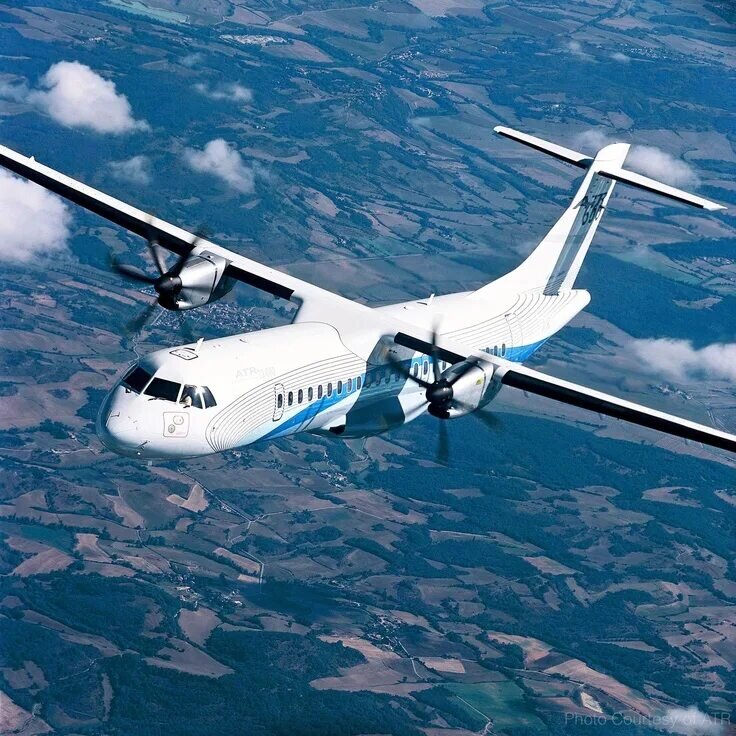
1.1 On 15 January 2023, an ATR 72-212A was operating scheduled flights between Kathmandu (VNKT) and Pokhara International Airport (VNPR). The same flight crew operated two sectors between VNKT to VNPR and VNPR to VNKT earlier in the morning. The accident occurred during a visual approach for runway 12 at VNPR. This was the third flight by the crew members on that day. The flight was operated by two Captains, one Captain was in the process of obtaining aerodrome familarization for operating into Pokhara and the other Captain being the instructor pilot. The Captain being familarized, who was occupying the left hand seat, was the Pilot Flying (PF) and the instructor pilot, occupying the right hand seat, was the Pilot Monitoring (PM).
История полета
1.1 15 января 2023 года самолет ATR 72-212A выполнял регулярные рейсы Катманду-Покхара-Катманду. Катастрофа произошла во время визуального захода на посадку на ВПП 12 в Покхаре. Это был третий полет экипажа за день. Экипаж состоял из двух КВС, один из них (условно КВС-стажер) находился в процессе получения допуска для полетов в Покхару, вторым был КВС-инструктор. КВС-стажер, занимающий левое кресло, был пилотирующим пилотом (PF), КВС-инструктор, занимающий правое кресло, был контролирующим пилотом (PM).
1.2 The take-off, climb, cruise and descent to Pokhara was normal. During the first contact with Pokhara tower the Air Traffic Controller (ATC) assigned the runway 30 to land. But during the later phases of flight crew requested and received clearance from ATC to land on Runway 12.
1.2 Взлет, набор высоты, крейсерский полет и снижение прошли нормально. Во время первой радиосвязи с УВД Покхара, экипаж получил указание о посадке на ВПП 30. Позже экипаж запросил и получил разрешение на посадку на ВПП 12.
1.3 At 10:51:36, the aircraft descended from 6,500 feet at five miles away from VNPR and joined the downwind track for Runway 12 to the north of the runway. The aircraft was visually identified by ATC during the approach. At 10:56:12, the pilots extended the flaps to the 15 degrees position and selected the landing gears lever to the down position. The take-off (TO) setting was selected on power management panel.
1.3 В 10:51:36 самолет снизился до высоты 6500 футов и вошел в схему захода на ВПП 12 с севера от аэропорта. Воздушное судно визуально наблюдалось службой УВД во время захода на посадку. В 10:56:12 экипаж выпустил закрылки в положение 15 градусов и перевел рычаг шасси в положение "выпуск". Рычаги управления винтами были переведены во взлетное положение.
Комментарий: то есть уменьшен шаг винтов, для более легкой раскрутки в случае ухода на второй круг.
1.1.4 At 10:56:27, the PF disengaged the Autopilot System (AP) at an altitude of 721 feet Above Ground Level (AGL). The PF then called for "FLAPS 30" at 10:56:32, and the PM replied, "Flaps 30 and descending". The flight data recorder (FDR) data did not record any flap surface movement at that time. Instead, the propeller rotation speed (Np) of both engines decreased simultaneously to less than 25%1 and the torque (Tq) started decreasing to 0%, which is consistent with both propellers going into the feathered condition2. On the cockpit voice recorder (CVR) area microphone recording, a single Master Caution chime was recorded at 10:56:36. The flight crew then carried out the "Before Landing Checklist" before starting the left turn onto the base leg. During that time, the power lever angle increased from 41% to 44%. At the point, Np of both propellers were recorded as Non-Computed Data (NCD) in the FDR and the torque (Tq) of both engines were at 0%. When propellers are in feather, they are not producing thrust.
1.1.4 В 10:56:27 КВС-стажер (пилотирующий) отключил автопилот на высоте 721 фут над землей. Затем, в 10:56:32, он дал команду "закрылки 30", на что КВС-инструктор ответил: "Закрылки 30, выпускаются". Параметрический самописец (FDR) не зафиксировал довыпуска закрылков. Вместо этого обороты винтов (Np) обоих двигателей уменьшилась одновременно до менее чем 25%, а крутящий момент (Tq) начал уменьшаться до 0%, что соответствует переходу обоих винтов в режим флюгирования. На речевом самописце (CVR) в 10:56:36 зафиксировано срабатывание сигнализации "Master caution". Затем, перед началом левого разворота, экипаж выполнил контрольную карту "перед посадкой". В это время РУД был перемещен с 41% до 44%. В этот момент на параметрическом самописце нет достоверных данных по оборотам воздушных винтов, , а крутящий момент (Tq) обоих двигателей составлял 0%. В этом положении воздушные винты не создают тяги.
Комментарий: отсутствие данных об оборотах ВВ, может говорить о том, что обороты были крайне низкими, что нормально для флюгерного положения.
1.1.5 When both propellers were feathered, the investigation team observed that both engines of 9N-ANC were running flight idle condition during the event flight to prevent over torque. As per the FDR data, all the recorded parameters related to engines did not show any anomaly. At 10:56:50 when the radio altitude callout for five hundred feet3 was annunciated, another "click" sound was heard4. The aircraft reached a maximum bank angle of 30 degrees at this altitude. The recorded Np and Tq data remained invalid. The yaw damper disconnected four seconds later. The PF consulted the PM on whether to continue the left turn and the PM replied to continue the turn. Subsequently, the PF asked the PM on whether to continue descend and the PM responded it was not necessary and instructed to apply a little power. At 10:56:54, another click was heard, followed by the flaps surface movement to the 30 degrees position.
1.1.5 Когда оба винта были переведены во флюгернре положение, двигатели снизили мощность до полетного малого газа, чтобы предотвратить превышение крутящего момента. Согласно данным параметрического самрписца, все параметры двигателейне имели отклонений от нормы. В 10:56:50, самолет снизился до пятисот футов по радиовысотомеру. В этот момент на записи речевого самописца различим еще один "щелчок". На этой высоте самолет достиг максимального угла крена в 30 градусов, при этом, спустя 4 секунды, демпфер руля направления деактивировался. КВС-стажерспросил инструктора следует ли продолжать левый поворот, на что тот ответил положительно. При этом, КВС-Иинструктор дал указание сохранять горизонтальный полет, для чего следовало увеличить тягу. В 10:56:54 раздался еще один щелчок, за которым последовало перемещение закрылков в положение 30 градусов.
1.1.6 When ATC gave the clearance for landing at 10:57:07, the PF mentioned twice that there was no power coming from the engines. At 10:57:11, the power levers were advanced first to 62 degrees then to the maximum power position. It was followed by a "click" sound at 10:57:16. One second after the "click" sound, the aircraft was at the initiation of its last turn at 368 feet AGL, the high-pressure turbine speed (Nh) of both engines increased from 73% to 77%.
1.1.6 Когда УВД дало разрешение на посадку в 10:57:07, КВС-стажер дважды упомянул об отсутствии тяги. В 10:57:11 РУДы были переведены сначала на 62 градуса, а затем в положение максимальной мощности. За этим последовал звук "щелчка" в 10:57:16. Через секунду после звука "щелчок" самолет начал свой последний разворот на высоте 368 футов, частота вращения турбин высокого давления обоих двигателей увеличилась с 73% до 77%.
Комментарий: несмотря на некоторую раскрутку турбин, тяги по прежнему не было.
1.1.7 It is noted that the PF handed over control of the aircraft to the PM at 10:57:18. At 10:57:20, the PM (who was previously the PF) repeated again that there was no power from the engines. At 10:57:24 when the aircraft was at 311 feet AGL, the stick shaker was activated warning the crew that the aircraft Angle of Attack (AoA) increased up to the stick shaker threshold.
1.1.7 В 10:57:18 КВС-стажер передал управление воздушным судном инструктору. В 10:57:20 КВС-стажер снова напомнил об отсутствии тяги. В 10:57:24, когда самолет находился на высоте 311 футов над уровнем моря, сработала сигнализация о сваливании.
1.1.8 At 10:57:26, a second sequence of stick shaker warning was activated when the aircraft banked towards the left abruptly. Thereafter, the radio altitude alert for two hundred feet was annunciated, and the cricket sound and stick shaker ceased. At 10:57:32, sound of impact was heard in the CVR. The FDR and CVR stopped recording at 10:57:33 and 10:57:35 respectively.
1.1.8 В 10:57:26 сработал механизм тряски штурвалов, в момент резкого увеличения левого крена. На высоте 200 футов по радиовысотомеру звук сигнализации и тряска штурвала прекратились. В 10:57:32 на речевом самописце был слышен звук удара. Параметрический и речевой самописцы прекратили запись в 10:57:33 и 10:57:35 соответственно.
P.S. Просьба воздержаться от закидывания погибшего экипажа грязью. Оставайтесь людьми - выбирайте выражения.