A lot of non-native speakers want to learn more new words. They are so consumed by the idea of acquiring new, fancy, sophisticated, and more "advanced" vocabulary that they forget to check in with the source (meaning, with native speakers). Do native speakers say so? If yes, in what context? If no, what would sound more natural instead? When people insert "fancy" phrases from a fiction novel they're currently reading in their business conversations (hoping to impress everybody), they sound awkward.
Many students refuse to use simple words because they mistake "simple" for "primitive". Simple is good. Simple helps you to be understood. Simple gets people's attention. Just make sure it's not the predictable kind of simple. Our brain tends to autofill a sentence when it recognizes a phrase it has seen a million times before. That's also the reason why people don't listen carefully. They assume they already know what's going to be said...because it's being said exactly the same way ... again.
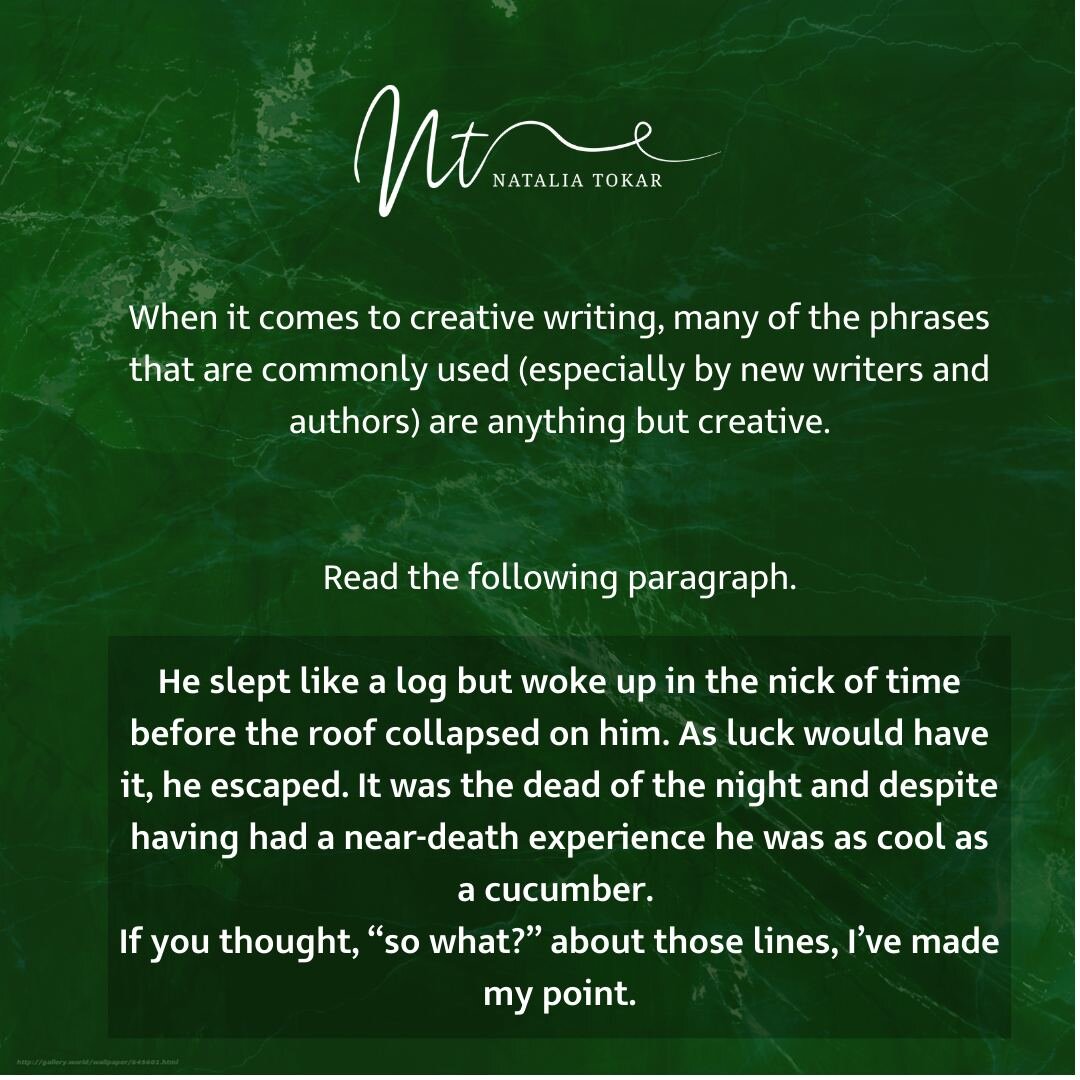
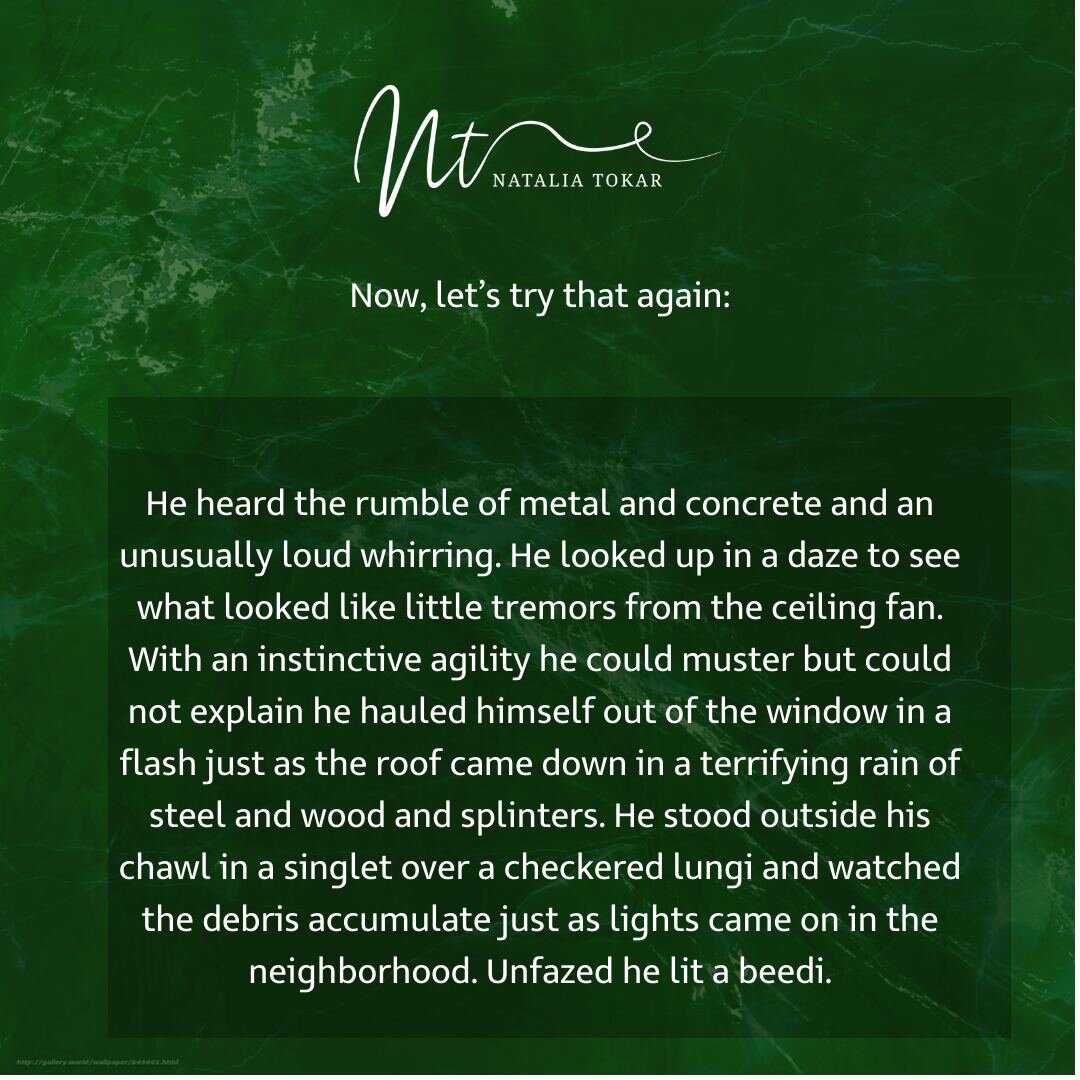
Clichés are dangerous: they might sound new and "cool" to an English learner, but they actually sound overused and empty to a native speaker. A native speaker's brain immediately autofills when it sees/hears a familiar cliché, and it stops paying attention!
Learning new words is not enough. Learning to feel the language is what you want to achieve, and you can't achieve it by shuffling fancy flashcards in 10 different apps.
If you want to learn to feel the language, start writing. You will quickly learn that to write better, you need to read better, and you need to read more. To read better, you need to comprehend faster. To comprehend faster, you need to think better. To learn to think in English better, you need self-discipline and an effective practice routine that has "developing cognitive skills in a foreign language" at its core. Learn to see more than just words. You need to see what mental image people are receiving when they listen to you or read your texts. If you overuse clichés, you don't sound any smarter. You are not sending any specific image, rather a generalization, which is not the smartest move if your goal is clarity in communication.
If you want you high standards to be met and have your texts edited and reviewed by a native speaking professional editor, join the Creative Writing Practice.
The task for Week 4 is to write a creative ABOUT page.
This is a MUST-do exercise for everyone who's getting ready for a job interview in English, sells in English, and communicates with English-speaking customers.
Join today and save your seat at a Friday editing session.
If you already speak good English but your goal is Native-Like fluency, you’re welcome to join our Community of Practice and connect with other curious and daring learners. Unlock dozens of creative exercises that focus on developing cognitive skills in a foreign language and help you build a deliberate practice routine to attain better fluency. No credit card is required to begin. Start your free trial today