Charity in the modern world is a complex and multifaceted social phenomenon that has a great impact on the development of the social sphere of society. The charity has passed a long way of formation and development, and became the basis for the formation of such professional activities as "social work". We can see that today charity is growing rapidly and is actively developing. This is primarily due to the social and economic changes in society, which contributed to the formation of market relations, which allowed private business to develop, which is now actively engaged in charitable activities. On the other hand, as a result of the disintegration of the common social, economic and geopolitical space in the society there appeared tendencies that were not characteristic of it before: decrease in the living standards, unemployment, professional poverty, drop in the birth rate, collapse of the institution of family and marriage, etc.
Philanthropy is necessary to reduce social tensions in society and to alleviate pressing social problems. That is why it is now important to study the basics of philanthropy. The revival of public charity, the development of philanthropy by private organizations as well as individual legal entities can contribute not only to the provision of more effective assistance to people in need, but also to the development of society as a whole in accordance with the principle of humanism, which serves as a universal criterion for progress.
The generally accepted definition of charity is formulated through the indication of social problems. Any action aimed at solving them is recognized as a charity. Each problem usually involves the identification of the categories of people who experience the problem. They are beneficiaries in the implementation of philanthropy. As a rule, types of activities are not strictly defined, i.e. any actions that contribute to the solution of the problem are allowed.
The implementation of charity is a private and voluntary affair of a specific person, as it involves the management of private resources, material, financial or labour resources. Everyone creates a good, investing in this own idea of the good, in what form and for whom it is necessary to create it. Charity lies outside the scope of official administration. Decisions in this area are made and actions are taken without legal or official policy prescriptions.
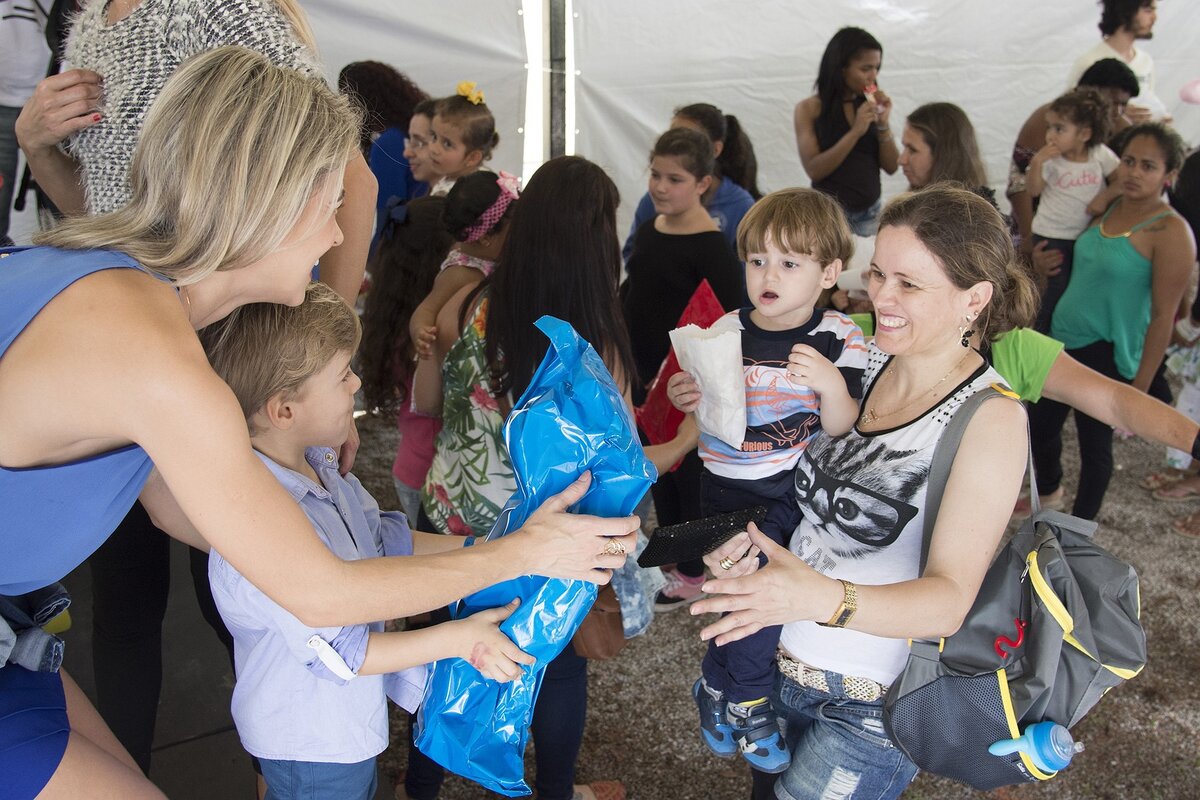
Altruism and compassion are prerequisites for charitable activities. They are, to a greater or lesser extent, inherent in every human being. To a certain extent, charity is about meeting the need for altruism or about getting out of the corresponding emotions.
In general, charity is assistance to others at the expense of one's welfare or free time and provided that such assistance does not harm others and is carried out within the limits of the law. It is also understood that, to varying degrees, philanthropy should benefit not only the direct beneficiary but also society as a whole.
The functions of charity in society are as follows:
- -Economic: ensuring a dignified existence of those citizens who, due to objective features and life situations, are unable to take care of themselves on their own;
- Social: relieving social tension by levelling the standard of living and supporting the most disadvantaged strata of the population, which, due to objective circumstances, cannot adapt to the new conditions;
- Market-based: filling in the gaps in the social policy of the state and the functioning of market mechanisms, primarily through the efficiency and targeting of the aid delivered, i.e. increasing its effectiveness;
- Public: replenishment of distortions in social relations leading to the departure of certain categories of the population from the accepted standards of living, which limits their ability to consume public goods and self-realization; at the same time - impact on public opinion;
- Political: implementation of feedback mechanisms of the population and power structures, formulation of social priorities on behalf of those who are socially unable to defend their rights due to objective reasons;
- Marketing: satisfaction of philanthropists' needs, provision of services to donors on implementation of charitable projects, at the same time - the cultivation of altruistic and human-loving moods in the society.
The main goals and principles of charity in the modern world are also evident. The purpose of charity is to provide an opportunity to achieve a socially acceptable standard of living for those groups of the population who are unable to independently realize their generally accepted social rights under the influence of social risks.
to be continued in the next chapter