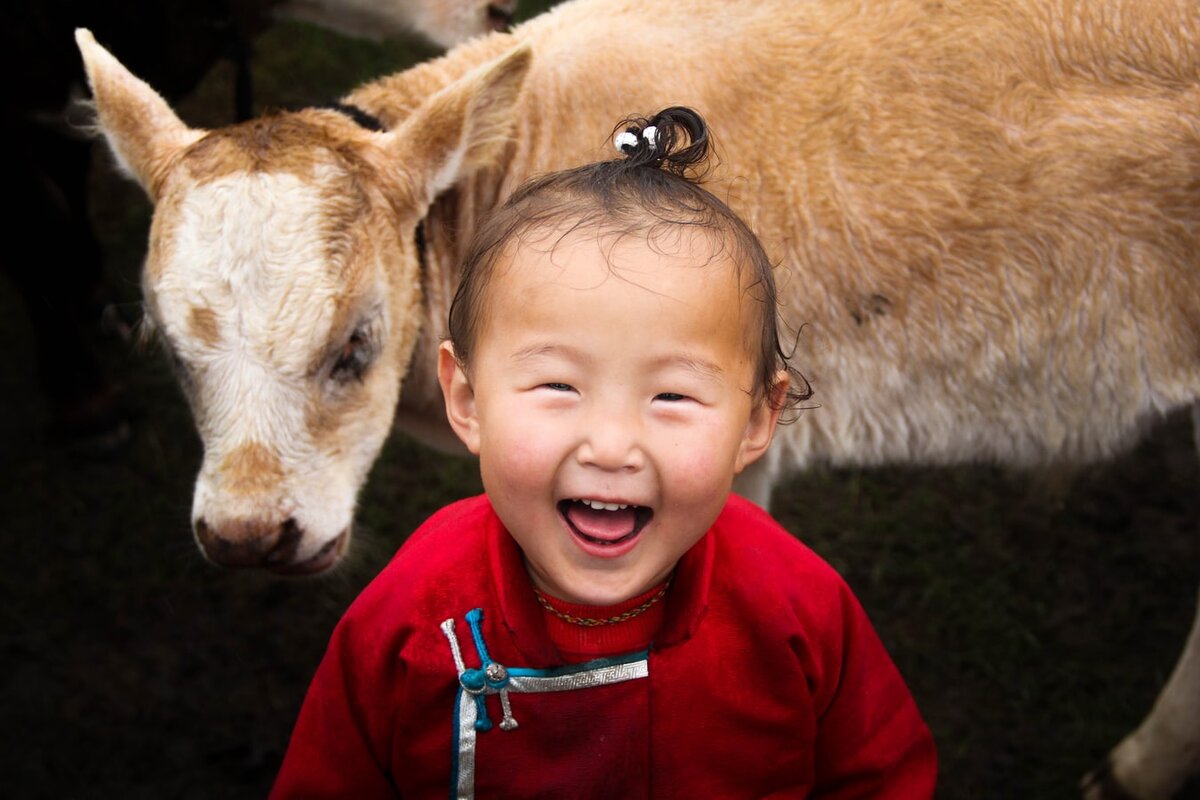
Cossacks
Kazakhs are people of Turkic origin, belonging to the Mongoloid or mixed race.
As an ethnographic self-name, the term Kazakhs began to be used in the 15th century. The ancestors of Kazakhs are ancient Turks, Huns, Sakis, etc.
The territory of present Kazakhstan was inhabited by nomadic pastoralists. At the same time, there was also developed agriculture, mainly in the southern parts of the steppe. Before the formation of the Kazakhs as a nation, the following tribes lived in the territory: Sakis (Scythians), Sarmatians (Savromats), Andronovites, Usunis, Kangly (Pechenegs), Toharians, Huns, Khazars, Turgeshis, Karluks, Oguzes, Kimaks, Kipchaks (Kumans, Polovtsy), Kereis, Jalaires, Argyns, Nemuns, Suans, Albans, Adai, etc.
Religion
The penetration of Islam into the territory of modern Kazakhstan has been taking place for several centuries, beginning with the southern regions. Initially, Islam was established among the sedentary population of the Semirechye and the Syr Darya at the end of the 10th century. For example, Islam was already in the Karakhanid Empire at the end of the 10th century. At present, the majority of the Kazakh population considers themselves Muslims and observes at least part of the rites to a certain extent. For example, the rite of circumcision (Sunnet) is performed by the overwhelming majority of Kazakhs, and almost all Kazakhs are buried in Muslim rites.
As the Mongolian khanate expanded, the spread of Islam slowed down, since Tengrianism was the traditional religion of the Turks. Tengriism was a system of religious views of the ancient Mongols and Turks, and it emerged in a natural historical way on the basis of the people's worldview, which embodied early religious and mythological ideas related to the attitude of man to the surrounding nature and its natural forces. The peculiar and characteristic feature of this religion is a related connection of the person with the world around him, nature. Tengriism was born from the deification of nature and reverence for the spirits of ancestors. Türks and Mongols worshipped objects and phenomena of the surrounding world not out of fear of incomprehensible and formidable natural forces, but out of gratitude to nature for the fact that, despite sudden outbursts of unbridled anger, it is more often tender and generous. They were able to look at nature as being animated.
Language and writing
Most of the borrowings are from the Golden Horde period, from the tribes that later formed the Kazakh ethnos. The first Kazakh alphabet was found in the territory of modern Mongolia.
National cuisine
One of the popular Kazakh dishes is called "Et" (meat), this dish is often called and known in the Russian-language literature and press as "beshbarmak", but Kazakhs themselves do not call it that, and in the Kazakh language this name is not used and is a Russian version of the name of this Kazakh dish. Also popular are kyrdak, ak-sorpa (milk soup with meat, or just meat soup). Previously, the main dish was also a stuffed stomach once popular with shepherds, baked in ash (analogue of haggis), but now it belongs to the exotic even in the Kazakhs, due to nomadic lifestyle, the bird was not divorced, and was present only as a game for hunters.
In addition to meat dishes, there is a wide variety of milk dishes and drinks: koumiss (sour mare's milk), shubat (sour camel's milk), ayran (kefir), kaimak (sour cream), kilegei (cream), sary-May (salted butter), suzbe (cottage cheese), bayonet (between sour milk and cottage cheese), jacket (dried salted cottage cheese), irmshyk (dried sheep's milk cottage cheese), hat (liquid yoghurt), leather (drink with cereals), etc.Stomach baked in ash.
Currently, Kazakhstan is a unitary republic of presidential-parliamentary type. The President is the head of state and the supreme commander-in-chief.
Kazakhstan has a relatively large territory (2,724,900 square kilometers - the 9th place in the world) and a relatively small population (16.40 million people, 2009 - 61 places in the world)[27]. And at the same time, it possesses significant reserves of natural resources: oil, natural gas, various minerals. Since 1992, Kazakhstan has been a member of the Organization for Security and Cooperation in Europe (OSCE) and recently gained the right to chair this influential international organization in 2010.