Chapter #2: Practical work on the organization and conduct of classes in the club "Wonderful origami", with children of older preschool age.
2.1.Organization of the "Wonderful origami" mug.
Experimental work was carried out on the basis of kindergarten №15 "Chamomile".
г. Kineshma. In the mug "Wonderful origami". The purpose of the mug: acquaintance of children with the art of origami, mastering the basic techniques in the technique of origami. At the initial stage of work was developed a plan - lessons for the mug "Wonderful origami".
In total, five lessons were developed and conducted. When choosing a mug first of all, I took into account the great importance of origami for the development of the child, and secondly, the great popularity and fascination of origami today more than ever.
Almost all classes are built on the same plan. At each lesson Additional material is used: the art word (poems, riddles), visual material, information about flowers, animals, insects, etc.. In terms of classes, the mug was not only does it provide for a gradual increase in complexity, but also for a change in Activities ranging from simple elementary figure creation to collective figure creation works are panels, which, in turn, have become more complicated. In the classes at children's fine motor skills and coordination improved the movements of the fingers of the hands. The memory developed, because the child, in order to to make a handcraft, you should have remembered the sequence of it. manufacturing, techniques and folding methods. Also origami has contributed to the concentration of attention, the children have developed neatness, perseverance.
Origami influenced the overall intellectual development of children, including speech development. After all, Sukhomlinsky V. A. said:
"The origins of creative abilities and talents of children at their ends fingers. From the fingers, figuratively speaking, come the thinnest brooks, which nourish the source of creative thought. In other words, the more "the more clever the child is.
Origami is also an exciting pastime, which Allows you to take your child away from your computer or for hours of viewing cartoons on TV.
2.2.Practical work on conducting classes in the club "Wonderful origami", with children of senior preschool age.
The first lesson was an introductory one and was called "Wonderful origami".
Acquaintance of children with a kind of decorative-applied art of origami,
During the lesson the children learned to perform basic basic forms and practiced the knowledge gained in independent work, which was accompanied by my help. The children were interested in the activity, they asked questions and participated in the conversation.
The second session was practical.
I introduced the children to the technique of making a toy out of paper.
At the lesson was used the art word, used the panel, made for the interest of children to work.
From the set goals and tasks, the children got acquainted with the sequence of execution of the frog, thus fixing the methods of folding paper.
There was an individual approach to the child. At the end of the lesson, the children created a collective composition of frogs in the swamp and at the end of the lesson a collective analysis of the work was carried out through questions to the children.
The third lesson is practical, the topic of the lesson: "Bouquet of tulips". At the lesson there was a fixation of the past material, with new elements.
Children did more complicated work than in the previous lesson, they learned to fold tulips out of paper and neat work with glue. At the end of the lesson children created a collective composition.
The fourth lesson:
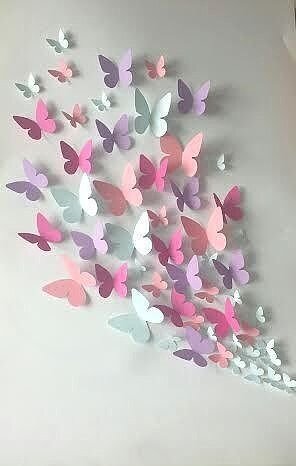
Learned how to fold a butterfly in the technique of origami, fixed methods of folding paper figures and accuracy of work with glue.
At the lesson, the art word was used, illustrations were shown.
Children developed fine motor skills of hands, accuracy of work with glue, independence of work.
The fifth lesson was the final and was called "Kusudama - a magic ball". The purpose of the lesson was to teach children to perform a decorative ball in the technique of origami. The work was collective.
The visual material was used, the illustration was shown, a step-by-step display of the work. The children actively participated in the work, and the lesson was successful.
The result of children's work was successful.