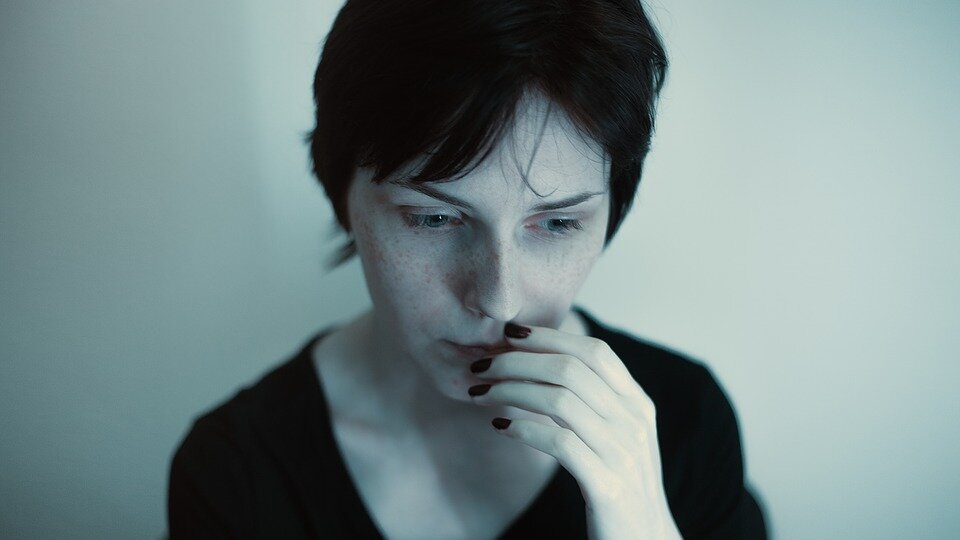
What's the difference between fear and mental illness? How do you know when it's okay for us to get help, and when is it time to get help?
Fear is a normal physiological condition, a protective reaction of the body. It is not just normal to be afraid, but sometimes even useful. We don't eat obviously bad foods for fear of being poisoned, we don't walk in dark yards for fear of attack. All this is the norm, the so-called instinct of self-preservation.
Fear of falling ill is the same normal phenomenon if it remains in a reasonable plane. If the thought of cancer pushes you to go through routine medical examinations in time, everything is fine. If this fear is constantly haunting you and you can't think of anything else, it's time to be wary - these symptoms can lead to anxiety over time - a condition in which fear prevents you from living.
Its symptoms are as follows: starvation disappears, nausea appears, thoughts of illness prevent sleep, and any information about cancer causes palpitations, tremors, increased sweating. Fear takes thoughts constantly, it is impossible to get rid of it.
Do not self-treat. Do not take the sedatives you have chosen yourself
If you recognize yourself or someone close to you in your description, you should seek specialist help as soon as possible. Don't drag it out: carcinophobia can poison your life, and years of fear will go by in vain.
What can be done to alleviate this condition?
- Do not treat yourself. Do not take any sedatives you have chosen yourself, as this may lead to other disorders. See a psychotherapist. Your doctor will help you find the most suitable sedatives and antidepressants.
- Stop looking for symptoms online. You will never know where the truthful information is and where it is false, but only find new reasons to worry.
- Try to get some sleep - this is the best medicine.
- Try to look at the situation from the outside. To do this, write down your thoughts and reread them when you are in a good mood. This way you will see that you are winding yourself up and that your fear is not justified.
- Ask your loved ones to distract you when you want to talk about cancer and not to support these conversations.
HOW A TUMOUR IS FORMED
What we all have to be afraid of is what we don't understand, so let's get to the bottom of what a malignant tumor is. When life passed from unicellular beings to multicellular ones, it became necessary for all the cells of the microorganism to participate equally in its work and for no one to "pull the blanket over".
In the course of evolution there appeared a lot of mechanisms of control of cell functioning and its role. In case of violation of the "rules of behavior" inside the cell, the mechanism of its self-destruction - apoptosis - is started. Thus, the body gets rid of the majority of tumor cells at the initial stage.
What can go wrong? Since all the information about how the cell should behave, as well as all the means of control over it, is recorded in the DNA, it is damage to DNA information that can lead to too much activity of the cell or failure of the protection mechanism. DNA is damaged by chemical carcinogens or harmful physical factors such as ionizing radiation. There is also a small possibility of an error in DNA copying during cell division in two, i.e. during the most common and natural process associated with life activities.
It is possible to reduce the risks of getting sick by several times by following simple precautionary rules
If there is still a failure and the tumor cell has not died immediately after birth (at rebirth), the immune system circulating everywhere cells - natural killers, destroying all threats, including the tumor - is included. If the immune system functions normally, then the control over the possible development of the tumor is also fine. Events that reduce immune protection: prolonged severe illness, stress, especially chronic stress - and reduce protection against tumors.
However, this aspect can be influenced, thus maintaining protection against cancer at a high level. However, this does not cancel one of the main questions that many people ask themselves and doctors: what can be done to never get cancer?
Unfortunately, no promises or guarantees can be made: two-thirds of cancers are random, and it is impossible to identify the exact cause of their occurrence. But it is possible to reduce the risks of getting sick at times, following simple precautionary rules. According to the WHO, about a third of all cancers can be prevented, and this is how.
LEAD A HEALTHY LIFE
- Give up smoking. Lung cancer is one of the most common and difficult to treat cancer diagnoses.
- Reduce alcohol consumption. Alcohol affects the risk of oral, pharyngeal, laryngeal and esophageal cancer.
- Watch your weight. The statistical link between overweight and many types of cancer, such as esophageal, colorectal, breast, uterine and kidney cancers, has been proven.
- Reduce the proportion of fried and fatty foods in your diet.
- Increase physical activity.
- Carry out the prevention of infectious diseases. Infections are responsible for about 22% of cancer deaths in the developing world and 6% in industrialized countries. The most common causes are viral hepatitis B and C leading to liver cancer; human papillomavirus leading to cervical cancer; Helicobacter pylori increases the risk of gastric cancer. Timely vaccination and simple hygiene rules will help to avoid infection with these and other infections.
- Be outdoors more often. Chemical carcinogens in our environment are responsible for about 1-4% of all cancers.
- Protect your skin from the sun. Ultraviolet radiation is responsible for most skin cancers.
All this will not only reduce the likelihood of cancer but will also significantly improve health and quality of life.
SEE YOUR DOCTOR IN TIME
In order not to worry and to detect a tumor at the very beginning of its development, regular medical examinations should be carried out. The volume and schedule of these examinations are best made together with an oncologist, who, in addition to routine screening procedures, will prescribe the necessary tests and examinations, taking into account individual characteristics. This will increase the efficiency of diagnostics and save time and money.
It is extremely important not to be afraid to contact a specialist. Sometimes, the fear of diagnosis paralyzes a person, and it turns on the protective mode of "self-absorption". Time missed in an attempt to ignore disturbing calls can significantly aggravate the situation. If you see that a loved one is hesitant to go to the doctor, support him or go with him. Most cancers are fully curable in their early stages.
Preventive checkups should become a habit, such as brushing your teeth
Adherence to these rather simple rules will significantly reduce the chances of encountering cancer.
Taking care of your health and protecting yourself from factors that contribute to the development of cancer, it is important not to over-emphasize it and not to live in constant fear of getting sick, especially if you are young. Most tumors occur in people over 50 years of age, and for those who have already reached this age, regular checkups and control of existing chronic illnesses should be the norm. This should become a habit, such as brushing, only once or twice a year, not every morning.