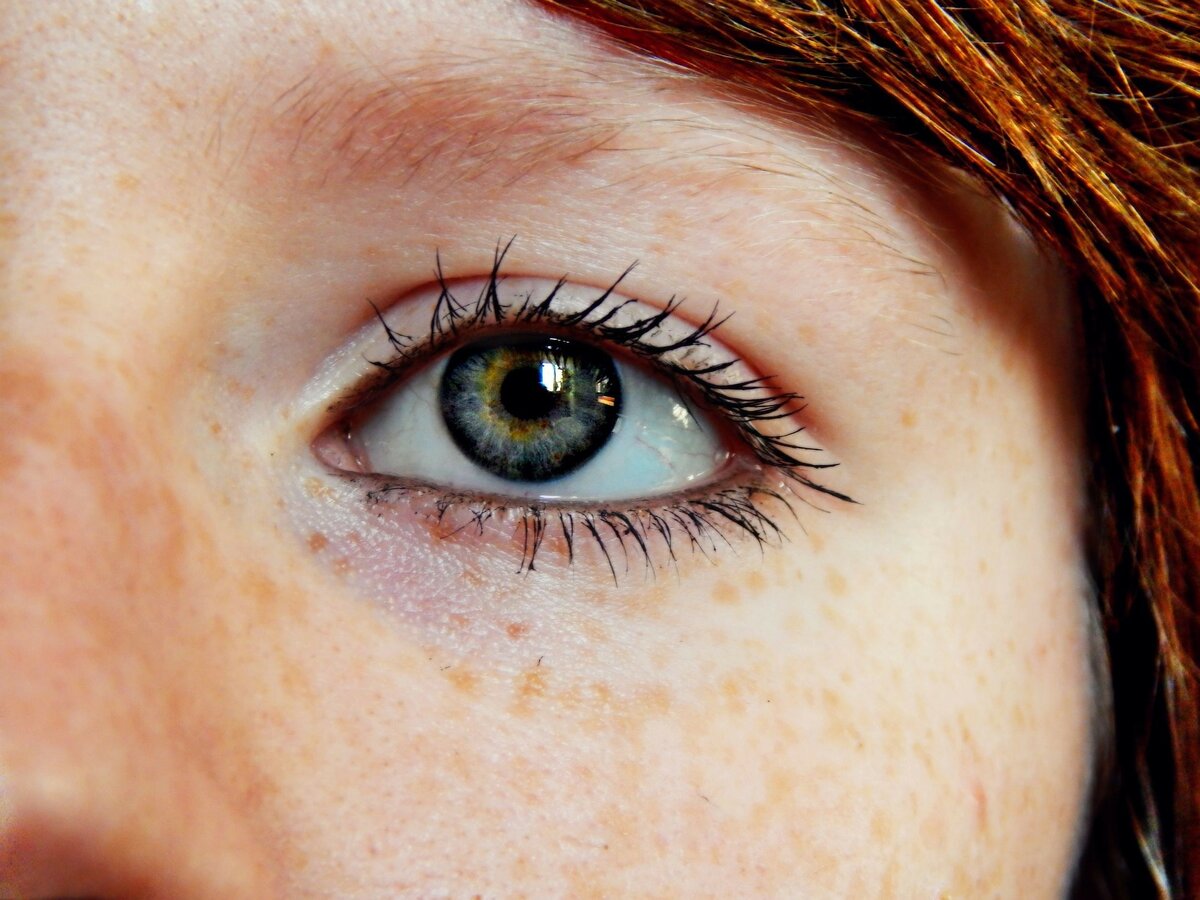
Back in the early 20th century, color researcher Johannes Itten, during classes at an art school, noted that each student has his own idea of the harmony of color combinations. These observations led to the conclusion that subjective color perception exists. The following experiments showed that subjective orientation also depends on the natural data of the students' appearance. So, for example, fair-haired, blue-eyed students with pink skin, preferred to work with clean, radiant colors, using clearly distinguishable contrasts. Students with red hair, green eyes and pink skin worked with intense shades, among which red, yellow and blue in their contrasting sound prevailed.
Students with dark hair and dark skin were fond of the paintings "Dark Night", "Autumn Storm", "Negro Chapel". In the works, the maximum saturations were used contrasts of pure colors, light on dark, dark on light.
Later, the German authors Zingel and Waterman proposed dividing the natural colors into 4 types, associating them with the seasons:
spring, summer, autumn, winter.
Moreover, color types, in turn, are divided into:
- warm (spring, autumn)
- cold (winter, summer)
- contrasting (autumn, winter)
- non-contrast (summer, spring)
Today, imageology uses this knowledge to select the best shades in clothes focusing on the color type of appearance. Any personal stylist will help you determine an individual palette of shades. But you can also do it yourself.
HOW TO DETERMINE YOUR COLOR TYPE?
You will need a complete lack of makeup and daylight (ideally, with a large mirror to go to the window). Pay attention to the following characteristics: - pupil color and protein - hair color and whiteness of the skin (hairline) - how contrasting the eyebrows are on the face - the shade of the hair (with ash or bronze tint) - how the skin reacts to sunlight (tan) determining the color type, we analyze the ratio of characteristics relative to each other. Based on this, we can conclude - contrasting appearance or not contrasting. In contrast, in the future, you should choose bright and saturated colors for yourself, and if the appearance is not contrast, then use more calm, pastel colors in monochrome.
CONTRAST AND NON-CONTRAST APPEARANCE
Spring and summer color types are considered non-contrast (natural) color types, as hair and skin “merge” a little. The line of transition of hair to the skin of the face is smooth, without obvious contrast.The eyebrows on the face are not bright and are similar to the color of the hair. In the summer color type, the natural color of the protein has a bluish tint, which supports the gray-blue or gray-green color of the pupil. The color type is summer natural.
In the color type, winter is different - the maximum contrast between the protein and the pupil, the border of hair and skin growth is sharply marked, the eyebrows are highlighted so that they do not require tinting. Such a colorful type can be adequately supported only by bright, dense colors in a contrast combination.
The summer contrast color type has a more noticeable contrast due to the porcelain skin tone and dark blond hair color. But, in comparison with the color type, winter gives way to brightness. Very often, girls of the summer contrast color type order two palettes - their own and the natural winter, in order to use them for choosing clothes. For example, for evening looks with bright makeup.
The natural autumn color type also has lower contrast compared to contrast. In the first case, the color of the eyebrows merges with the skin tone, especially if the face is strewn with freckles.
WARM AND COLD FLOWERS
It is believed that spring and autumn are warm colors and warm shades are present in their appearance - hair is always with a red, yellow and gold. And winter and summer are cold, with an ashen coating, really light brown. Representatives of a warm color type usually blush and "burn out" in the sun. And the winter and summer color types with pleasure take sunny bathrooms, getting a beautiful tan. Know that if the appearance is "warm", then the clothes and accessories fit the same warm colors - yellow is amplified by yellow.
Avoiding frankly cold colors in the wardrobe, they are for winter and summer colors. Otherwise, all fatigue, redness, small wrinkles will become visible, as through a magnifying glass. Understanding your color is very important when it comes to clothing that is close to your face. Well-chosen colors in clothes decorate and enrich the image. Use this in style creation.