Passive aggression is a way of showing a person or a group of people their dissatisfaction, but not directly, "passively". It is an unconscious desire to act contrary to authority. For children, parents, caregivers, teachers, or other mentors are the primary authority.
How to recognize passive aggression in children
A child's bad behavior can have completely different causes. Psychiatrist Ross Campbell names a few signs that you can distinguish between your own passive child aggression:
Passive aggression is irrational and illogical because most of the time it is unconscious.
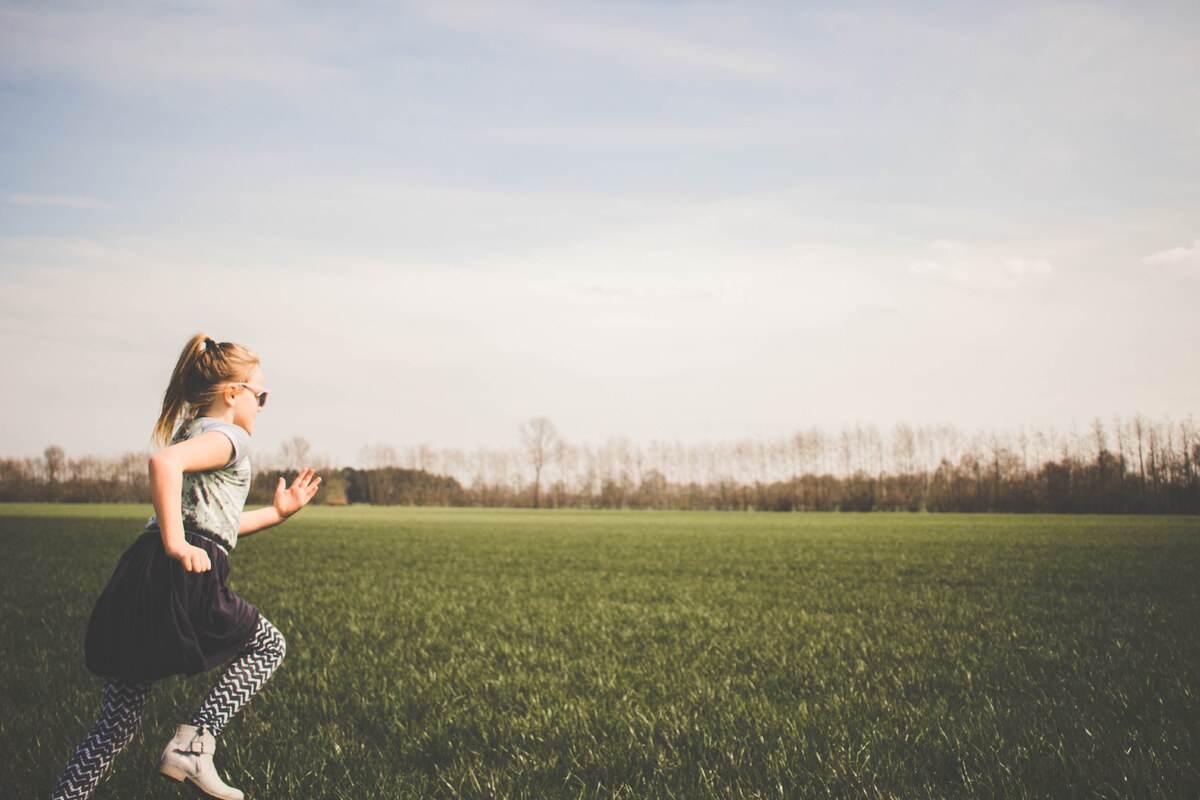
You can deal with a child's passive aggression if their behavior cannot be explained.
The child's behavior is not corrected
If you make a lot of effort to correct a child's behavior, but you are not succeeding, then it is most likely a manifestation of child passive aggression, which is intended to upset parents or other significant people and cause them trouble. That is why any attempt by parents to change the situation can be futile.
Although the child behaves in such a way as to harm the parents, they end up suffering on their own.
It is difficult for her to build relationships with others and she is uncomfortable with herself.
An example of passive aggression maybe when a capable child suddenly begins to learn poorly. After all, each child may have his or her own specific manifestations of passive aggression, given the particular "vulnerabilities" of her parents. "As you may not be annoyed by the clutter in your child's room, remember that it is much better than some other manifestations of passive aggression. Pray to God to limit your child's anger with confusion, kidding, noise and, at times, a strange appearance. It is important to remember that when children reach the peak of adolescence, they can go to extremes to do nothing against their parents.
How to raise a child without suppressing her anger?
Basic emotions are something that is given to each of us a little. Parents are the kind of people who teach a child to cope with their emotions, set and exemplify how to control them, so your anger relationship will affect your child's anger.
It is important for the child to hear and see you assertively say "no", "stop" and "I do not want", be able to remain calm and be able to show anger so as not to harm themselves or others, for example, to express it in certain movements or words no offense. The younger the child, the harder it is for them to manage their anger, so teach them how to cope with their anger gradually, step by step. The child grows, her brain gradually matures, she learns to control herself and her emotions, and as she grows, she learns new ways of interaction and anger.
Identify the manifestations of anger that will be considered normal for you.
You can identify the behavioral or verbal anger that is permissible for your family. It is not necessary to forbid one or another manifestation of anger; one should not forbid the emotion of anger itself. The baby should hear from you that getting angry is normal, it is abnormal to hurt someone or yourself angrily.
Apply replacements
Forbidding some manifestation of anger, suggest another child, for example: "I do not allow you to beat me, you can beat a pillow (a punching bag, a soft toy)", "You cannot throw heavy wooden cubes, you can throw these easy ones fabric balls, You can't tear books, you can tear these napkins, "etc.
Tell about your love
Be open and safe for an angry baby. It is important for her to release her anger and to know that because of this, she will not stop loving. Conduct yourself so that the child does not feel any blame for being angry. Tell her that you love her, despite the fact that she is angry with you or you are angry with her. Children tend to perceive parental anger as dislike for them. Explain that your love for her is greater and stronger than your anger, fear, sadness, or any other emotion. At the age of 2-4, children become aware of their own strength and the strength of their emotions, they watch how their strong emotions and inner strength affect other people, so let your child know that you are able to withstand her strength despite emotions that she displays and that you like her strength, even if you would like her to act more calmly or quietly.
Learn to anger through movements and words
Teach your children to express their anger through the body, including through breathing and movement. Have the child stomp, swing his arms and legs, clench his fists, growl, scream, or sniff. Help your children recognize and express their emotions. Let them express their anger with words. Children often say abusive words. This is one of the steps towards mastering effective verbal forms that will help your child to express his or her anger and not offend others. "I'm angry now that ..." is a phrase that your children hear from you, and a phrase that they can use in the future to express their emotions and their cause. Teach them this.
The more anger of a child is expressed through the body and words, the less it will remain to manifest in a passive-aggressive form, the clearer and more enjoyable your child's communication with other people will be and the more comfortable they will be with themselves.