The hypersthenic type of chest is characterized by all the opposite qualities of the asthenic type: large width, short length (the ribs end above the abdominal cavity), horizontally directed ribs with short intervals between their fastenings, wide horizontal clavicles, tightly fitting shoulder blades.
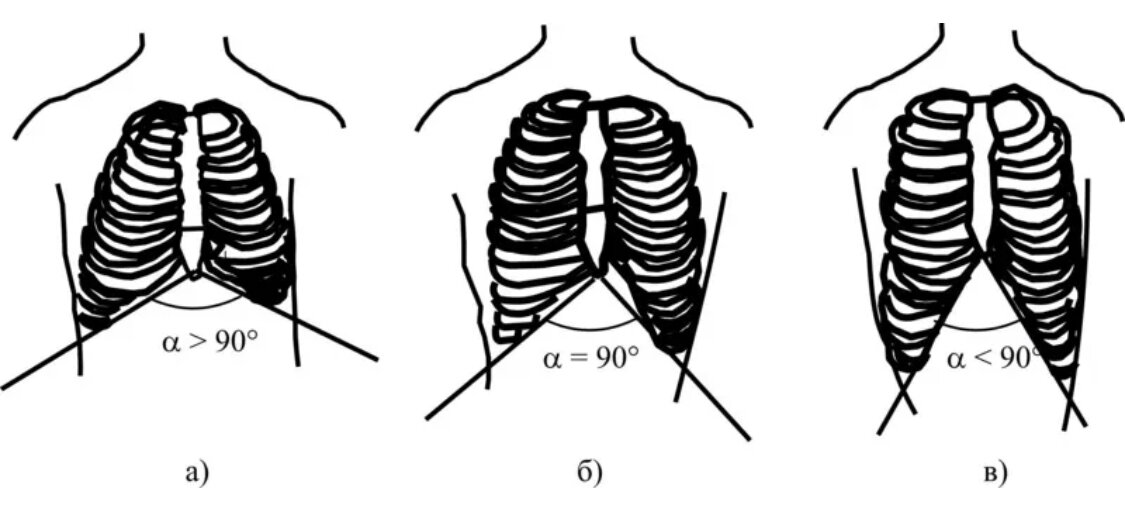
From here we have all the reverse properties that affect the press: it is extremely difficult to bend such a chest, since we found out that this requires large gaps between the rib fasteners, which the hypersthenic type does not have. Also, the direction of the ribs is horizontal, which also reduces the mobility of the chest, but makes it wider and allows the muscles on it to be developed more strongly than in other types.
The disadvantage for the bridge also includes the shoulder blades that are tightly adjacent to the sternum, which may indicate their weaker mobility relative to the asthenic type. Of the advantages of the hypersthenic type, of course, are horizontal wide collarbones, and, therefore, broad shoulders with well-developed muscles. These are the broad-shouldered, Busty bench pressers who are undoubtedly an adornment, in particular, of our discipline and powerlifting in General.
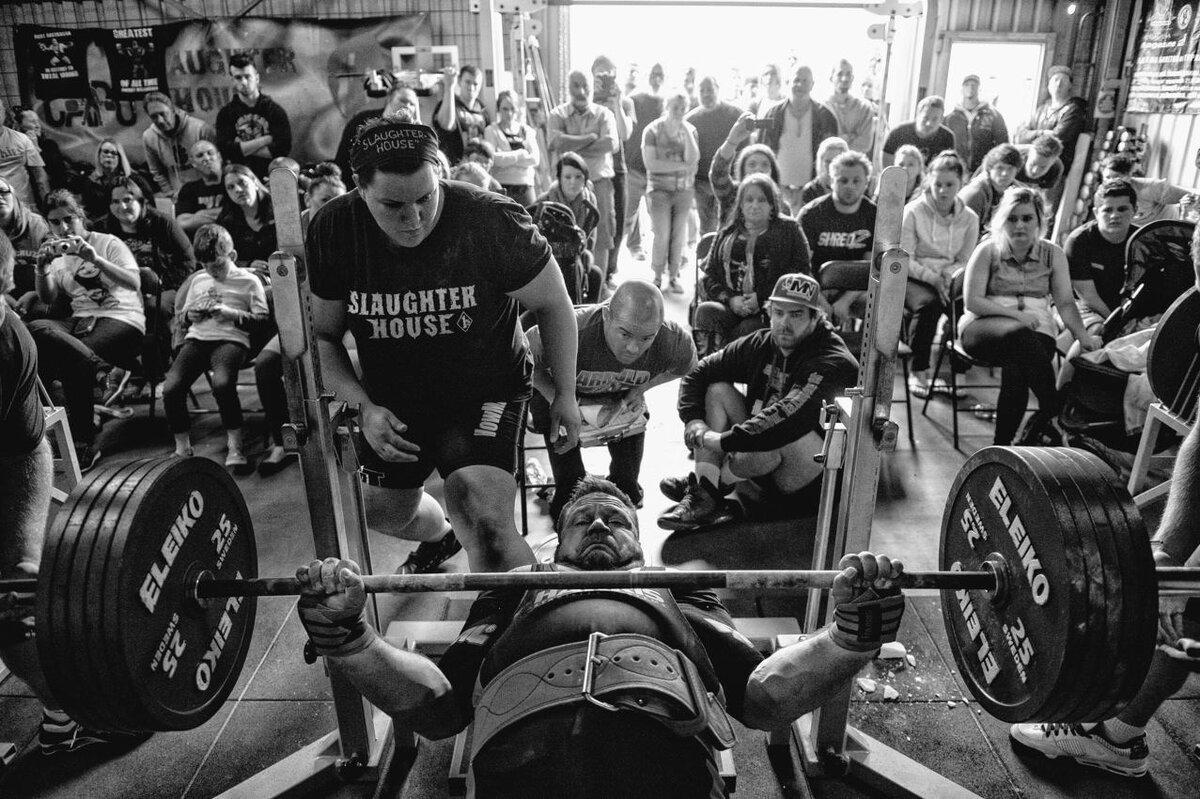
Owners of a hypersthenic chest can press a lot lying down for absolutely objective reasons – they have the most developed muscles of the shoulder girdle, even initially, without training. For the bench press, this fact is, of course, the main advantage, but this does not mean that it is worth stopping there. Based on the same reluctance to make the "survivor's mistake", it is worth paying more attention to the development of shoulder blade mobility and chest flexibility – the benefit is that, although for some time, these aspects can be developed even for people with hypersthenic chest.
I will mention that these posts on the influence of chest types on the bench press are assumed and reflect only our vision. But it would be great if the anatomical aspects that affect the bench press described by us are ever more deeply studied and confirmed more thoroughly, or refuted by someone.
Train with us.
Follow on instagram