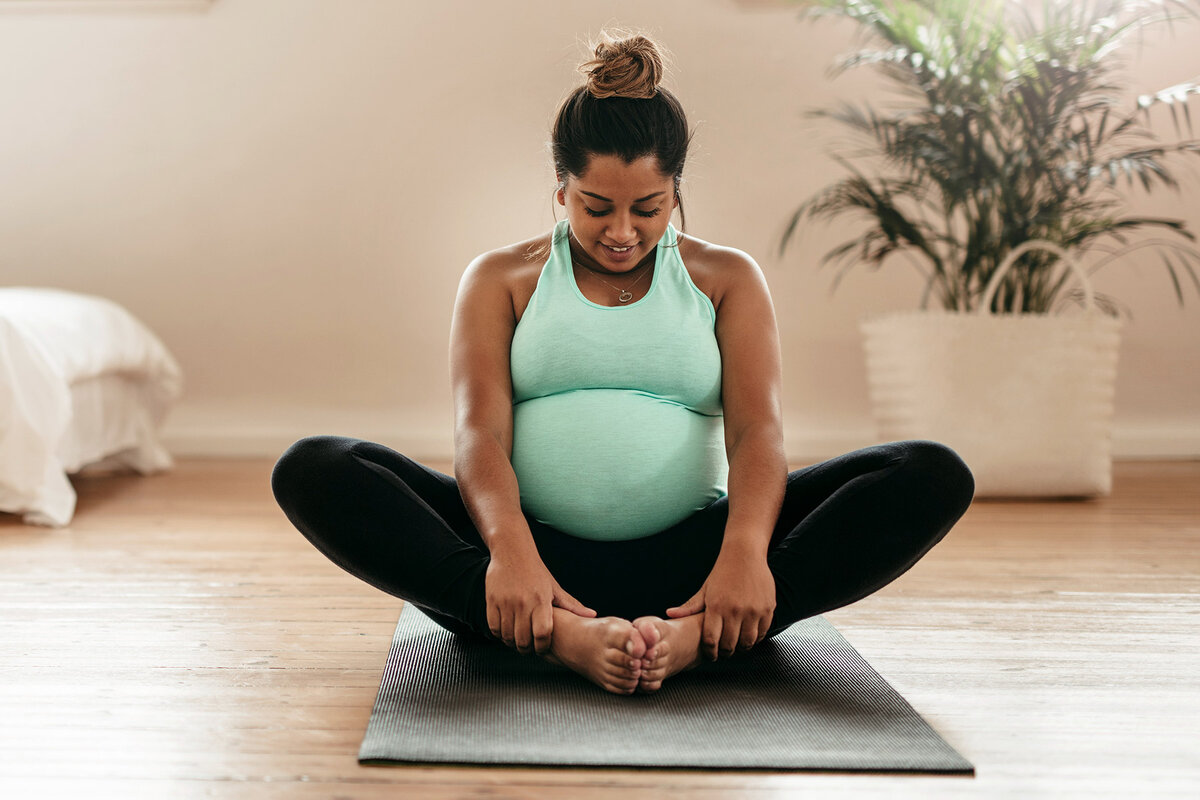
You are pregnant now and wondering if you can exercise during these 9 months?
According to the Department of Health of Australian Government, the official advice is ‘that low- to moderate-intensity physical activity during pregnancy is associated with a range of health benefits and is not associated with adverse outcomes’.It is also advised to achieve at least 150 minutes per week of activities, which would not include your walking. Great news then to those who love exercising, right?
Ok, that gives you a green light to exercise but what exactly is ‘low to moderate’ intensity? Before you continue your training routine, consult your doctor on what is safe for you.
Generally speaking, if you were active pre-pregnancy you can continue your fitness routine, but decrease in intensity and volume. Obviously, it’s not the right time for a personal best. It’s time to maintain your fitness level and prepare your body for birth and post birth healthy state.
If you were not active before pregnancy, start an aerobic exercise program with no more than 15 minutes of continuous exercise. Increase the time gradually up to 30 minutes per session. The best option in this case is to start training with a qualified trainer who guides you through safe pregnancy exercises.
Staying physically active has health benefits for a woman and a baby. It not only prepares or keeps your body fit but also reduces depressive symptoms (that weird thoughts that you are getting fat! Which you are not by the way, you are carrying a growing baby inside) and improves health-related quality of life. And yes-yes-yes exercises make your metabolism work faster, you know this pregnancy -related constipation damn it.
Common sense & general guidelines
1. Consult with your GP / midwife to get a clearance if you can proceed with exercises.
2. Don’t start any new fitness routine and stick to what you used to do before pregnancy. Reduce load / time / intensity of your workouts.
3. Don’t overheat – it’s very dangerous for a baby. If you elevate a temperature of your body to 38.9°C for more than 10 minutes, the elevated heat can cause problems with the fetus. Overheating in the first trimester can lead to neural tube defects and miscarriage. No bikram yoga, no super intense HIIT workouts and no running in a hot weather!
4. No ‘normal’ core exercises from the mid of the second trimester.
5. When the belly starts to grow stop doing any exercises from the flat back on the floor: switch your bench press to an inclined version, for example.
6. Don’t overdo Yoga and stretching – your body is a way too flexible during pregnancy due to a hormone called ‘relaxin’.
7. Exercise in your low to middle intensity zone: your usual 60%-70% intensity of pre-pregnancy workouts. Don’t judge it by your heart rate. Your resting heart rate has been elevated due to pregnancy.
8. Make sure you do some exercises to strengthen your back. Most of pregnant women and young mamas complain about the back pain as they carry a load either in the belly or on their hands when a little one is born.
9. Do your push ups to strengthen your wrists. You will need your strength of the wrists to carry a baby after (it’s a very common complaint among young mamas). Swap push ups to the one on the bench (with an incline).
10. Do what feels right for you. Listen to your body and stop immediately if something feels wrong.
11. Bonus Point Advice: rest if you feel like resting. Take a nap during the day. It’s completely fine. You deserve it, girl!
First Trimester (1-13 weeks)
It’s perfectly safe to exercise during the first trimester of pregnancy, if done correctly and preferably under guidance of a qualified trainer. It can also help dealing with those unpleasant pregnancy symptoms like nausea, fatigue and mood swings. Take it easy though and slow it down, as there are so many hormone changes happening in your body at the moment and the little one’s body is forming – it takes lots of energy out of you. Here you have a green light to take your day naps if possible.
During the first trimester it’s a great idea to focus on your abs and stability – you might have some challenges with stability due to a growing belly and it’s a big NO for core exercises later on too.
Advice on exercises:
- Avoid crunches and sit ups. Swap them over to all variations of active plank.
- Avoid classic push ups. Instead use the bench or even a wall (from a standing position).
- Make sure you warm up and cool down as well and don’t overheat!
Second Trimester (14 – 26 weeks)
Many women say they feel energetic during the second trimester: bye-bye nausea and fatigue and hello more or less normal days. Thus it’s a perfect time to exercise and maintain your fitness and get your body ready for carrying a baby. It’s very important to remember that it’s not time to do your PBs or start a new routine as mentioned before. You should still keep the intensity low enough so you can carry a conversation during working out.
Advice on exercises:
- Use lighter weights than you did before pregnancy.
- Avoid twisting motions
- Avoid any abs exercises that involve crunching, better be off any classic abs exercises and opt out for ‘breathing through your core’ type of exercises.
- Make sure you warm up and cool down as well and don’t overheat!
Third Trimester (final weeks – hooray!)
Exercising during the last trimester can be more exhausting and difficult because your belly is significantly bigger now and you are more likely to have less energy than you did during the first 2 trimesters. As your due date gets closer, make sure you check in with your GP that it’s still safe to work out. Most likely if you don’t have any pre-conditions it’s still fine to keep working out at a lower intensity.
Now your joints and ligaments are much looser than usual, due to relaxin preparing your body for a birth of a baby, so it’s better to stick to really light weights in order to prevent too much strain on your muscles and ligaments.
Advice on exercises:
- Use light weights or resistance only – body weight exercises are perfect!
- Don’t hold your breath while completing your work out.
- Avoid any exercises that require lying on your back.
- Make sure you warm up and cool down as well and don’t overheat!
Make sure you enjoy your pregnancy journey, take care of your physical and mental health and it sounds like a cliche but just follow your heart and do what feels right for you! Stay active as long as your body allows you so and be grateful for it.