RAY HERO and RAY HOPE: A Tale of Two River Vessels
There’s a certain poetry to a river at dawn—the mist curling off the water, the first light catching the curve of a hull, the quiet hum of systems coming online. On any of the long inland rivers that cut through the lowlands, that image has taken on a new shape: RAY HERO, a solar‑powered vessel that moves like a promise. It doesn’t roar or rush; it glides, its paddlewheels turning slow and steady, as if the river itself is part of the design.
Blog.
RAY HERO: The Quiet Explorer
RAY HERO wasn’t built to impress with brute force. It was built to last. Its whole philosophy is endurance through efficiency. The twin paddlewheels along the sides aren’t just a nod to old riverboats—they’re a practical choice. They give the ship tight control in winding channels and let it creep along shallow banks without tearing up the bottom.
Under ideal conditions, the solar array tops off the batteries in six to eight hours. After that, RAY HERO can hold 12 km/h for ten full hours, even with every instrument on the bridge lit up and every cabin drawing power. That’s the balance the team was chasing: enough speed to make progress, enough range to stop and explore, and enough autonomy to go days without touching a fuel dock.
The layout is compact but complete. Five cabins, one for each crewmember, tucked below deck where the motion of the river feels softer. Up top, the bridge is where the real work happens. The captain watches the compass and the current. The navigator traces the shoreline onto fresh paper, turning water into maps. The engineer listens to the rhythm of the machinery, catching any note that sounds off. The cartographer turns those sketches into something sharper—lines and contours that tell the story of where they’ve been. And the biologist sorts through samples, cataloging what the river gives up: leaves, insects, bits of moss, anything that hints at the hidden patterns of the landscape.
Outside, the vessel wears its purpose like a uniform. Bright floodlights at bow and stern cut through the dark and also send signals—simple flashes that mean “we’re here” or “hold position.” A string of lights runs along the gunwales, not just for looks, but to show the edges of the boat when the fog rolls in.
Inside the hold, everything is packed with a sense of readiness. Two compact tents sit folded and dry, waiting for nights spent ashore. Portable solar panels are stowed in a rack, ready to be carried into the woods or up a hillside. Solar‑charged lanterns hang in loops, their batteries topped off by the same sun that drives the ship. It’s all meant for one thing: to let the crew step off the deck and into the unknown, knowing the vessel will be there when they return.
The radio system is built for that exact moment—when the team splits up. Each person carries a handheld unit. In open terrain, they can reach the central hub on the ship from as far as ten kilometers. Between themselves, they stay linked up to three kilometers without help. But the real trick is the ship itself: it acts as a repeater, stretching the net outward so the explorers can fan out across the land and still hear each other’s voices. That way, no one ever feels truly alone out there.
At the heart of the operation is Alexei Markovich, known to many as DJ MARKOVICH. He’s not just the project’s lead; he’s its memory and its mood. While the crew charts the river and collects specimens, Markovich captures the spirit of the journey in sound. Techno, house, drum & bass, dubstep, hip‑hop, trap—he pulls from all of it, layering rhythms that echo the paddlewheels’ steady turn, the sudden gust of wind across the water, the hush that falls when they tie up at a quiet landing.
He records these sets onto audio cassettes, each one a time capsule of the voyage. The covers aren’t plain: they’re hand‑drawn maps, showing key waypoints and the little stories of the trip—the cave they spotted from the water, the ridge that looked like a sleeping beast, the bend where the current turned wild.
And the maps don’t stop there. Markovich sketches everywhere. Notebooks fill up with pages and pages, but so do coffee cups, napkins, the margins of old magazines, any scrap of paper that’s handy. Those fleeting marks hold the same weight as the formal charts: they catch the moment when a shape on the horizon suddenly felt like a signpost, or when a stretch of bank looked like it was hiding a secret.
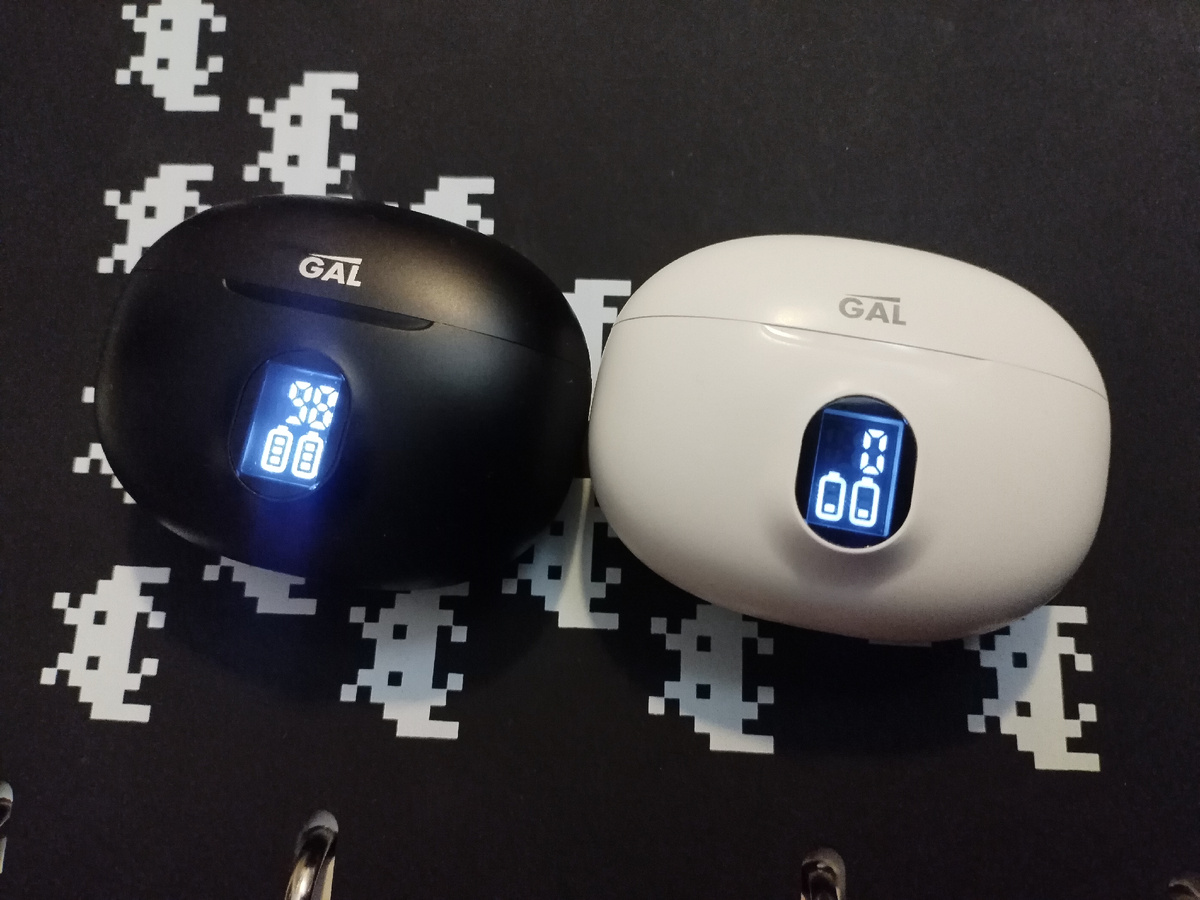
A simple analog tracker keeps the energy story visible at all times. Three dials tell the whole tale: the top one shows the battery’s charge from 0 to 100 percent. The left and right ones track the output of the port and starboard solar panels, each marked in thirds from 0/3 to 3/3. Markovich checks it every few hours and posts the evening summary like a ritual. “Battery: 80 percent. Port panel: 2/3. Starboard: none.” It’s plain, direct, and honest—a snapshot of the ship’s lifeblood.
RAY HOPE: The Steady Guardian
If RAY HERO is the quiet explorer, then RAY HOPE is the steady guardian—built not to show what’s possible, but to make sure it stays possible. When the telemetry from RAY HERO vanished on September 21, 2024, RAY HOPE didn’t wait for perfect conditions. It left the dock and headed into the season that tests everything: shorter days, weaker sun, clouds that linger for days, and water that gets colder by the hour.
This isn’t a twin of RAY HERO. It’s a different animal, built for pressure and persistence. It can push past 30 km/h when it needs to, covering ground fast when time matters. Its solar array is bigger, its batteries heavier, its margins wider. Five hours of sun can fill the tanks enough to keep it running for two full days at full load. That buffer isn’t luxury—it’s survival when the sky stays gray.
The paddlewheels here aren’t just for show either. They’re tuned for control at low speeds. When you’re edging up to a disabled vessel or threading through a tight, rocky channel, you don’t want power—you want precision. RAY HOPE gives that. It can creep along, hold position against the current, and slide into places where a faster, heavier boat would risk grounding.
Its hold isn’t for tents and lanterns. It’s for tools, spare parts, and repair gear—all chosen to match RAY HERO’s systems. Everything is laid out so the crew can grab what they need in seconds and get to work. This is a machine built to fix other machines, and to do it in the rain, in the dark, with the wind trying to push it off course.
The crew of fifteen is arranged to cover every angle. The captain and two mates keep the ship moving and talking to the shore. Six mechanics keep the engines, batteries, and panels running. Three technical specialists know RAY HERO’s blueprints by heart—they’re the ones who decide what part fits, what workaround works, and what’s too risky to try. The galley officer keeps the team fed and the supplies tracked. And the two medics stand ready for anything, from a twisted ankle to a real emergency, with protocols for stabilizing and evacuating when the situation demands it.
Their search isn’t guesswork. It follows the ghost of RAY HERO’s path, laid out from old tracking data. Every segment of the route gets a checklist: likely stopping points, tricky stretches of water, places where a signal might have been sent. They log the time, speed, battery level, and weather at each stop, building a living map of the operation.
Radio sweeps happen on a strict schedule, with every attempt recorded—time, frequency, duration, results. Meanwhile, eyes scan the banks and the water, cameras click, coordinates drop into the log. If they find anything, it’s documented immediately: photo, location, description. There’s no room for “I think I saw something.” Only “I saw this, here, at this time.”
When autumn tightens its grip, the rules change. Days shrink, the sun angles lower, and even clear skies don’t give as much power as they did in summer. Rain and cold chip away at battery capacity. So RAY HOPE shifts into a careful rhythm: move when the light is good, conserve when it isn’t, keep the radios and emergency systems topped up no matter what. It’s not about covering the most ground; it’s about staying ready.
Communication is layered and serious. VHF/UHF radios handle the day‑to‑day chatter. Satellite links carry telemetry and forecasts, and when they can, they tap into terrestrial networks to talk directly with local teams. The dispatch center sends daily tasks and watches the data stream, adjusting the plan as the weather and the search evolve.
Onboard, nothing is left to guesswork. Every key metric is tracked: battery charge, solar output, power draw, speed, heading, weather conditions, and equipment status. All of it goes into the operational log and flows to the dispatch center. That constant stream of facts is what keeps the mission honest and adaptable.
Like RAY HERO, RAY HOPE has its own energy tracker, and Markovich checks it regularly, posting the evening numbers with the same discipline. It’s more than routine—it’s the pulse of the operation, a simple, visible reminder of what the ship can and can’t do on any given day.
The Point of Both Ships
Together, RAY HERO and RAY HOPE tell a single story: ambition needs armor. One ship shows what’s possible with solar power and careful design. The other shows what it takes to keep that possibility alive when the world gets difficult.
Every reading from the trackers, every weather note, every repair log, and every radio sweep adds to a bigger picture. It’s not just about finding one missing vessel. It’s about learning how to run these kinds of missions better—how to size the batteries, how to staff the crew, how to plan the routes, and how to keep the lights on when the sun hides.
That’s the real cargo these ships carry: not just tools and tents, but the knowledge of how to move forward, carefully and steadily, across any river, in any season.