The Second Month: Rain and Resilience
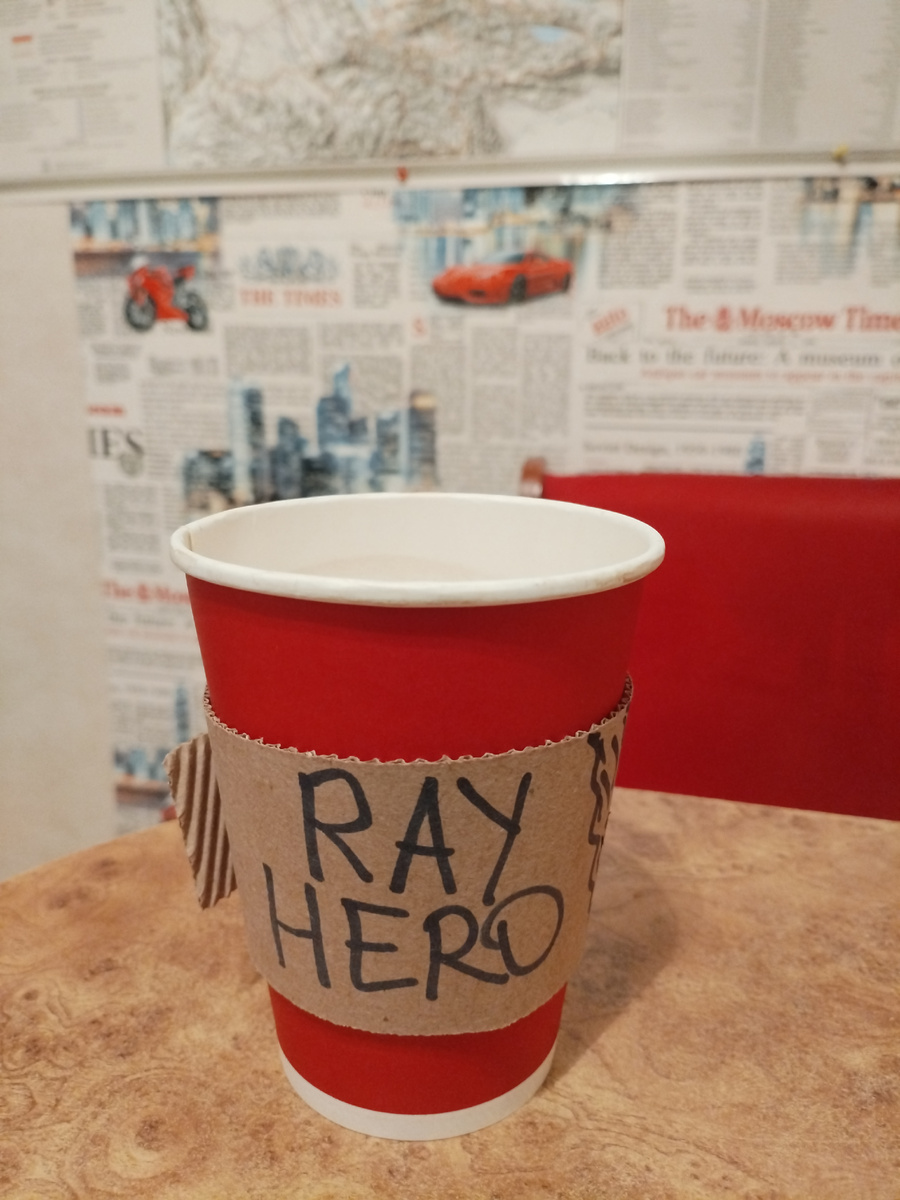
The second month began with a downpour — not a brief shower, but a steady, unrelenting deluge that seemed to have no end. The RAY HERO crept along the river, its paddles turning with weary slowness. The sun had vanished behind a wall of clouds, and the vessel’s solar panels, usually so eager to drink in the light, now sat damp and dormant.
Blog.
For two full weeks, we were forced ashore. The riverbanks, once firm and inviting, had turned into a slick morass of mud and fallen branches. The captain made the call: anchor near a high, relatively dry stretch of land, deploy the tents, and conserve what little energy remained.
Days 31–35: The First Week Ashore
We set up camp with grim efficiency. The two compact tents from the hold went up side by side — one for sleeping, the other for storage and shelter from the rain. The RAY HERO sat moored just offshore, its floodlights off, its systems in a kind of hibernation. Only the essential circuits stayed live, draining the batteries at a crawl.
- The captain organised shifts. Two crew members would stay on board at all times, monitoring the vessel and keeping watch against drift or damage from debris carried by the swollen river. The other two would work ashore — gathering firewood (when they could find anything dry), tending the camp, and checking the weather.
- The mechanic became our energy czar. They calculated every watt, every minute of light, every charge cycle. They rigged a makeshift awning over the solar panels on deck, hoping for even a sliver of sun to peek through. When it didn’t, they turned to the spare portable panels. These were carried uphill, to a small clearing where the trees were less dense, and laid out like fragile leaves in the drizzle.
- The cartographer adapted. With no river to map, they began documenting the land itself — the contours of the hills, the drainage patterns of the runoff, the way the fog settled in the valleys. Their maps grew richer, more layered, showing not just geography but the mood of the place: zones of standing water, trails of animal movement, patches of moss that thrived in the damp.
- The biologist found a new world in the rain‑soaked forest. They collected samples of fungi blooming on deadwood, studied the insects that thrived in the wet, and noted how the birds had grown quieter, conserving their energy like us. They set up small collection jars under dripping branches, measuring rainfall, and used the data to predict when — if ever — the deluge might ease.
Days 36–45: Deepening Strain
By the second week ashore, the mood had shifted. The rain didn’t let up. It fell in sheets by day, in a fine, cold mist by night. The river rose, lapping at the roots of trees that had stood dry just days before.
Energy was the constant concern. The RAY HERO’s batteries held just enough to power the radios and a single lamp in each tent. The mechanic reported daily: “Charge remains at critical levels. No sign of improvement in solar input.” We spoke in hushed tones, as if volume itself consumed power.
One morning, the captain called a meeting under a tarp strung between trees.
“We have three options,” they said. “We can stay here and wait for the sun — but if this keeps up, we’ll be stranded for weeks. We can try to move downstream in the rain, risking battery failure mid‑river. Or we can go inland — scout higher ground, find a sun‑exposed ridge, and set up a solar camp to recharge properly.”
The vote was unanimous: inland.
The Solar Camp
It took two days to reach the ridge — a long, slippery haul through mud and underbrush. The mechanic and biologist carried the portable panels, the cartographer led the way with a hand‑held compass and instinct, and the captain brought up the rear, watching for signs of fatigue or injury.
At the top, the wind howled — but the clouds thinned. For the first time in days, we saw patches of blue.
We laid the panels out in a fan, angling them to catch whatever light broke through. The mechanic connected them to a long cable that snaked back down the hill to the RAY HERO, still moored below. Slowly, agonisingly, the charge began to rise.
That night, we celebrated with hot tea and a single biscuit each. The vessel’s lights flickered on for ten minutes — just long enough to see each other’s faces, tired but determined.
Days 46–60: The Return to the River
Over the next week, we maintained the solar camp, rotating shifts between the ridge and the RAY HERO. The batteries climbed: 20 %, then 40 %, then past 60 %. The mechanic ran diagnostics, testing the drive system, the pumps, the comms. Everything hummed back to life.
On day 48, we packed the tents and prepared to move. The rain had eased to a drizzle, and the river, though high, no longer raged.
Back on board, the RAY HERO felt different — not just charged, but renewed. The paddles turned with purpose as we pushed off. The current was strong, but we had power to spare. We hugged the eastern bank, where the sun now broke through more often, feeding the panels like a promise kept.
The cartographer updated the maps: new annotations for flood zones, safe anchor points, and the ridge that had saved us. The biologist noted a shift in the wildlife — ducks returning, dragonflies skimming the surface, fish rising to the surface after the long murk.
By day 60, the skies were mostly clear. The RAY HERO moved with its old confidence, the paddles dipping and rising in their steady rhythm. We had learned to live without sun, to conserve, to adapt. And now, with the light returning, we felt ready for whatever lay ahead — not just surviving the storm, but stronger for having weathered it.