Author Sergey Solodovnik
World history is rich with acts of terror.
The most selective act was in France, the assassination of Henry IV, who was publicly stabbed to death in 1610.
The least selective plan was the infamous Gunpowder Plot of 1605, aimed at murdering King James I of England, which involved the destruction of the entire British Parliament.
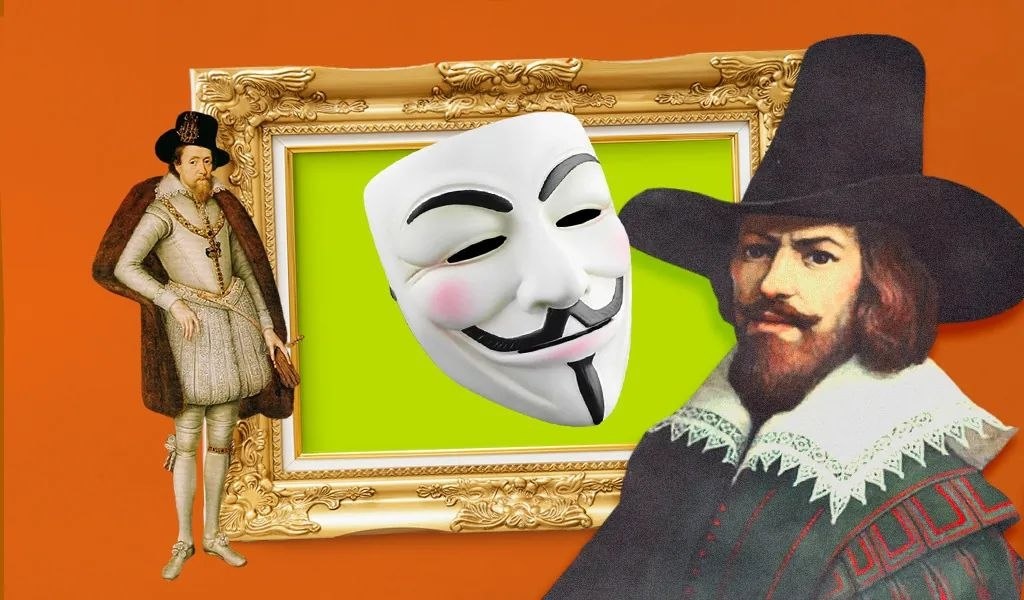
In modern times, the mask of Guy Fawkes has become a meme. If we were to take the bans on promoting hostile ideologies to the extreme, the production, sale, and wearing of this mask could easily be equated with promoting terrorism.
These two examples are quite revealing. In both cases, the terror was perpetuated by a disenfranchised religious minority, directed against the state represented by its highest leadership.
It was this very leadership that was infringing upon their rights.
Thus, terrorism is a weapon of the weak against the strong, who refuse to engage with the weak on equal terms.
Here, one crucial question remains. Were the weak, those in our examples, prepared to negotiate with the strong?
In fact, no, they were not. They demanded everything: total concessions from the authorities based on their maximalist demands. This is what is referred to in politics as radicalism.
In truth, this is how various domestic narodovoltsy explained their commitment to terrorism, which entered history under the common name of "nihilists".
But in that case, can we not see disenfranchisement along religious lines? And were there no persecutions based on ethnic origin?
No, terrorism was declared necessary for establishing a just order. Justice was understood within the framework of socialist doctrines taken to radical extremes. The demands were to do everything immediately.
The belief in these doctrines resembled the religious fanaticism of the seventeenth century.
Thus, we derive the formula: terror = radicalism + fanaticism.