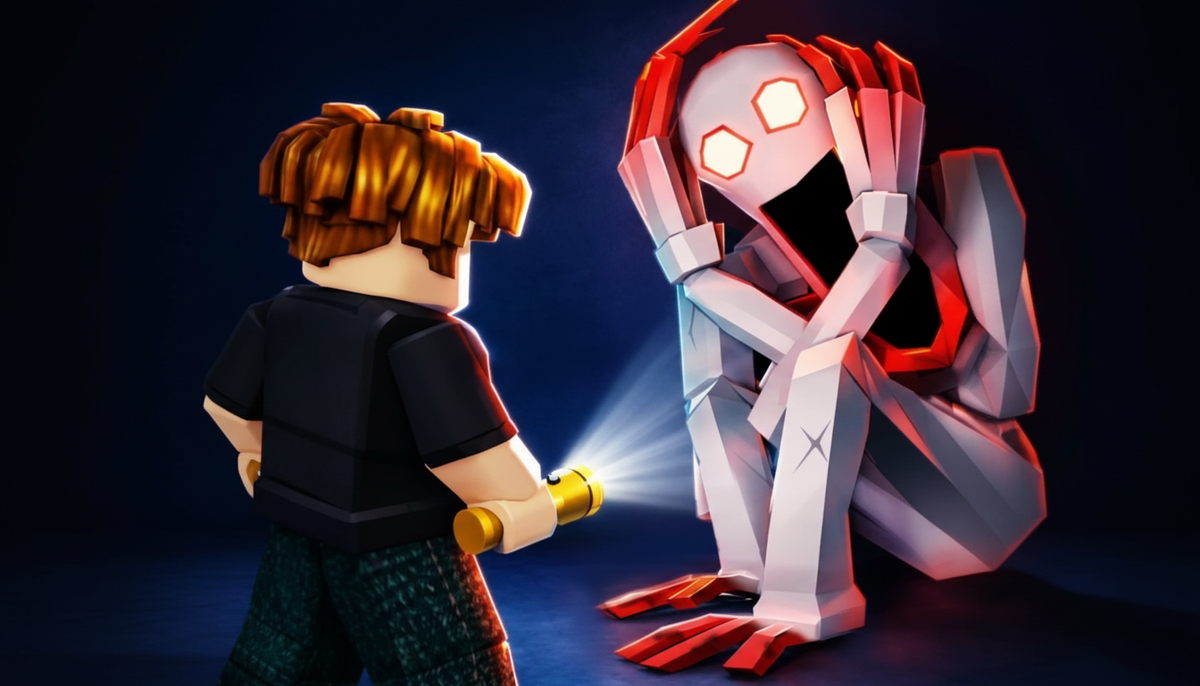
If you enjoy Roblox games that actually make your heart beat a little faster, 24 Hours Overnight is one of those experiences that can easily pull you in for hours. On the surface, it looks simple: you’re stuck in a store, night is coming, and monsters are on the way. But once you actually play it, you quickly realize there’s a lot more tension, teamwork, and small strategic decisions than you might expect. It’s a survival game that feels personal, especially when the lights flicker, the doors start shaking, and you’re not sure if your defenses will hold until morning.
At its core, 24 Hours Overnight is about surviving monster-filled nights by building a base inside a store. You can do it solo if you’re feeling brave, or team up with other players and try to last together. The game also has codes, which is always a nice bonus in Roblox games, since they can give you helpful rewards and make the early stages a bit less punishing.
First Impressions and Overall Atmosphere
The first time you load into 24 Hours Overnight, there’s this calm-before-the-storm feeling. You spawn inside a store that looks ordinary at first, almost too quiet. Shelves, doors, rooms — everything feels familiar, which actually makes the horror aspect stronger. You’re not in some alien world or fantasy dungeon. You’re in a place that feels real, and that’s exactly why the tension works so well.
As night approaches, the atmosphere slowly changes. Sounds become more noticeable, shadows feel deeper, and you start paying attention to every little noise. I remember my first night clearly: I thought I was prepared, had a few defenses set up, and felt confident. Then the monsters arrived, and that confidence disappeared almost instantly. That’s one of the strongest points of the game — it constantly keeps you on edge without needing cheap jump scares.
Gameplay Loop and Survival Mechanics
The main gameplay loop is simple but effective. During the day, you prepare. You explore the store, gather resources, and build or reinforce your base. At night, you survive. Monsters come in waves, testing how well you planned and how quickly you can react when things go wrong.
What I like is that the game doesn’t overwhelm you with complicated mechanics. Instead, it focuses on timing and decision-making. Do you spend your time upgrading defenses, or do you explore more to find better resources? Do you stick close to your base, or risk venturing out when night is falling? These choices matter, especially as nights become more dangerous.
Playing solo feels very different from playing with others. Alone, the game turns into a quiet, almost stressful experience where every mistake feels personal. With friends or random players, it becomes more chaotic but also more fun. Communication starts to matter, even if it’s just simple chat messages like “cover this door” or “we need more materials.”
Base Building Inside the Store
Base building is the heart of 24 Hours Overnight. The store isn’t just a backdrop; it’s your main tool for survival. You learn quickly which areas are easier to defend and which ones can turn into death traps. Some spots feel safe at first, but later nights prove you wrong.
What makes base building interesting is that it’s not just about stacking walls. Placement matters. Visibility matters. Escape routes matter. I’ve had nights where a single poorly placed defense caused everything to collapse, forcing me to run through dark hallways while monsters chased me. Those moments are stressful, but they’re also what make the game memorable.
Over time, you start developing your own strategies. Some players prefer tight, heavily fortified areas. Others like more open spaces that allow movement. There’s no single “correct” way to build, and that freedom keeps the game fresh even after many sessions.
Monsters and Night-Time Threats
The monsters in 24 Hours Overnight are genuinely intimidating, especially for a Roblox game. They’re not just obstacles; they feel like real threats. Each night introduces more pressure, and you can feel the difficulty ramping up naturally.
What I appreciate is that monsters don’t feel random. They follow patterns, but those patterns still force you to stay alert. You can’t just stand still and wait for morning. You have to react, repair, and sometimes make split-second decisions that decide whether you survive or not.
There were moments when I thought, “Okay, we’ve got this,” only for a sudden breach to turn the whole night upside down. Those unpredictable moments are frustrating in the best possible way. They make every successful night feel earned.
Solo Play vs Multiplayer Experience
Playing 24 Hours Overnight solo is a test of patience and nerves. Everything depends on you. Every mistake, every bad decision, every missed opportunity is yours alone. If you like intense, focused gameplay, solo mode can be incredibly satisfying.
Multiplayer, on the other hand, feels like a completely different game. It’s louder, faster, and often more chaotic. You’ll meet players who want to plan carefully and others who just want to rush in and see what happens. Sometimes that leads to disaster, sometimes to surprisingly epic survivals.
Personally, I enjoy switching between both. Solo play helps you learn the mechanics and understand the store layout. Multiplayer adds replay value and those unpredictable human moments that no AI can replace.
Progression, Rewards, and Codes
Progression in the game feels steady. You’re not instantly overpowered, but you can feel yourself getting better, both in terms of in-game upgrades and personal skill. Each run teaches you something new, whether it’s a better building strategy or a smarter way to handle certain monsters.
It’s also worth mentioning again that the game has codes. Using codes can give you useful bonuses that make survival a bit easier, especially for new players. They don’t completely remove the challenge, but they definitely help smooth out the early game and make experimentation less punishing.
Visual Style and Sound Design
Visually, 24 Hours Overnight doesn’t rely on flashy effects. Instead, it uses lighting and simple details to create mood. The store feels empty and unsettling at night, and that works perfectly for the type of horror the game is going for.
Sound design deserves special praise. Footsteps, distant noises, and sudden sounds during attacks all contribute to the tension. Playing with headphones makes a big difference. I’ve had moments where I turned around just because I thought I heard something behind me, and that’s exactly what a good survival game should do.
Replay Value and Long-Term Appeal
One of the biggest questions with survival games is replay value. In this case, 24 Hours Overnight holds up well. Different strategies, different teammates, and the increasing difficulty of nights keep things interesting. Even when you fail, there’s that “one more run” feeling that makes you jump back in.
The store setting might sound limiting at first, but it actually encourages creativity. You start seeing the same environment in new ways, finding better spots and smarter layouts. That familiarity mixed with danger is a big part of the game’s charm.
Final Thoughts on 24 Hours Overnight
24 Hours Overnight is a great example of how a simple idea can turn into a memorable Roblox experience. Surviving monster-filled nights inside a store sounds straightforward, but the execution makes it intense, emotional, and surprisingly deep. Whether you play alone in silence or with friends in chaotic teamwork, the game manages to keep you engaged.
If you enjoy survival games with strong atmosphere, meaningful base building, and nights that genuinely feel dangerous, this one is worth your time. Add in the fact that there are codes to help you along the way, and 24 Hours Overnight becomes an easy recommendation for anyone looking for a tense but fun Roblox survival challenge.