Crocodile, whale, or heron? No, shoebill!
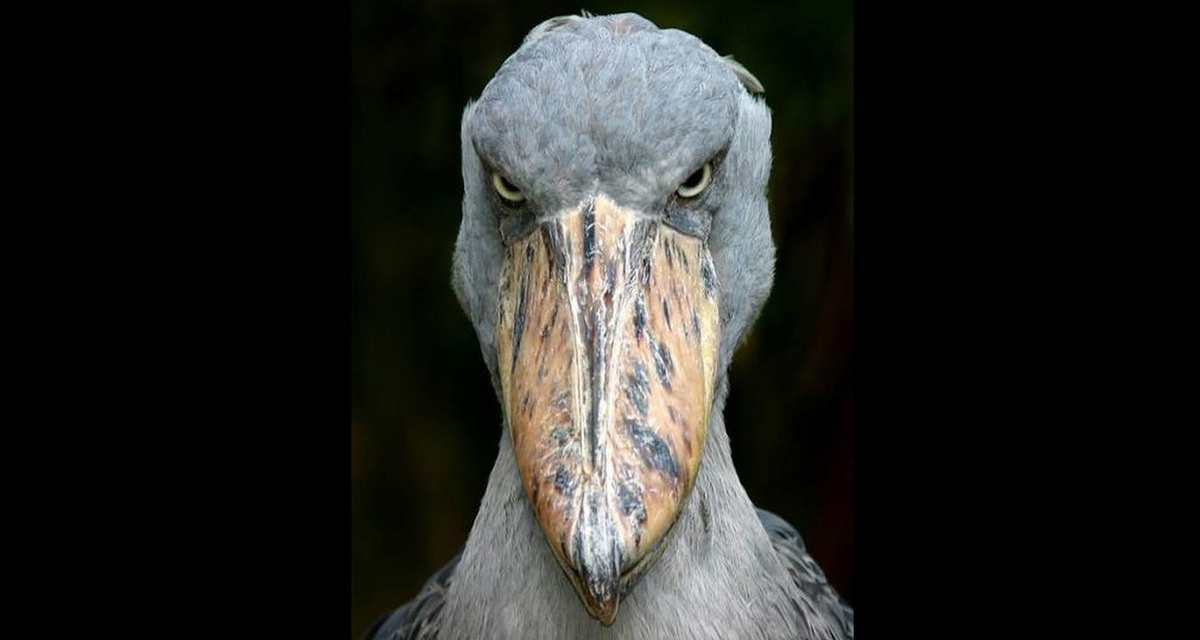
The shoebill is one of the most unusual birds on Earth, with its enormous beak and prehistoric appearance, it looks more like a dinosaur, but what is the purpose of its beak? We will explain in this article!
1. The shoebill’s bill is not just large - it is a highly specialized hunting tool
The shoebill’s enormous beak, which can reach up to 24 cm in length, is perfectly adapted for hunting large prey. Unlike most birds, shoebills mainly feed on lungfish, catfish, and even young crocodiles🐊🙀
2. Shoebills hunt using extreme patience and minimal movement
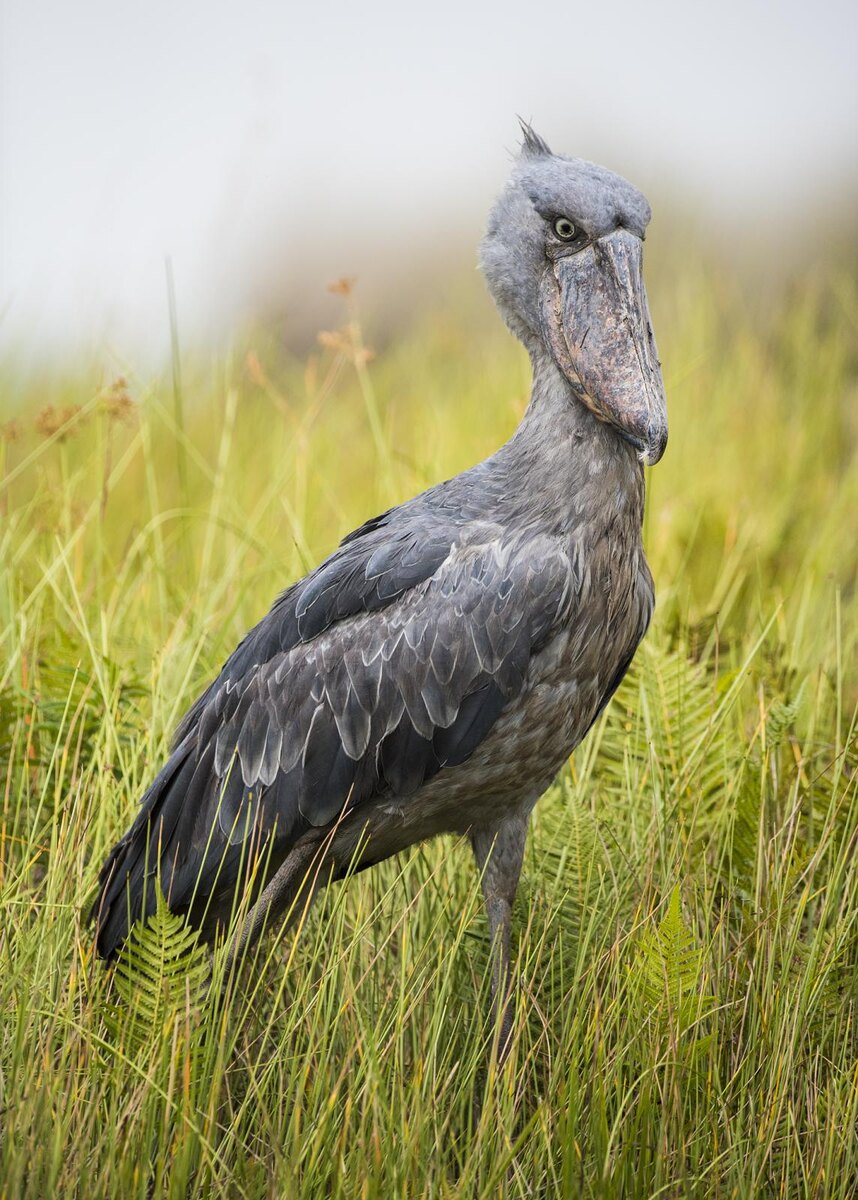
Shoebills are known for their “statue-like” hunting behavior. They can stand completely still for long periods, sometimes over an hour, waiting for prey to surface. This method, called still hunting, allows them to conserve energy and avoid alerting fish🐟
3. They have a very low reproductive rate📉
A breeding pair usually lays two eggs, but in most cases, only one chick survives. The stronger chick often receives more food, while the weaker one may die due to lack of resources :(
4. Shoebills communicate mostly through bill-clattering, not vocal sounds
Instead of loud calls, adults often communicate using a sound known as bill-clattering, which resembles machine-gun fire, you may have even seen memes that this bird is from Dagestan😂
And the whalehead can also use its beak as an air conditioner😄
5. Are shoebills actually crocodiles?🤔
And finally, we left an interesting fact that shoebills can imitate crocodiles with their beaks, as they live in swampy areas and use this sound to scare away predators that also live there.
I would reeeeally love to see shoebills in their natural habitat, but the news says that this bird is coming to the Moscow Zoo, so we'll wait and see!🔥
Author: Vlada Verkhovetskaya