The Water Crisis in Central Asia: Old Threats and New Challenges
For centuries, water resources have shaped the history and economy of Central Asia. Today, the region is experiencing a rapid depletion of these vital sources.
According to the Food and Agriculture Organization of the United Nations, water availability in the region has decreased by 12% since 2015, making Central Asia one of the most vulnerable places on the planet. The problem of water scarcity, although manifested in different ways, is equally serious for all countries in the region.
🇰🇿Kazakhstan, with extremely limited internal water reserves (only 3% of its area is covered by water), critically relies on transboundary rivers that bring water from neighboring republics.
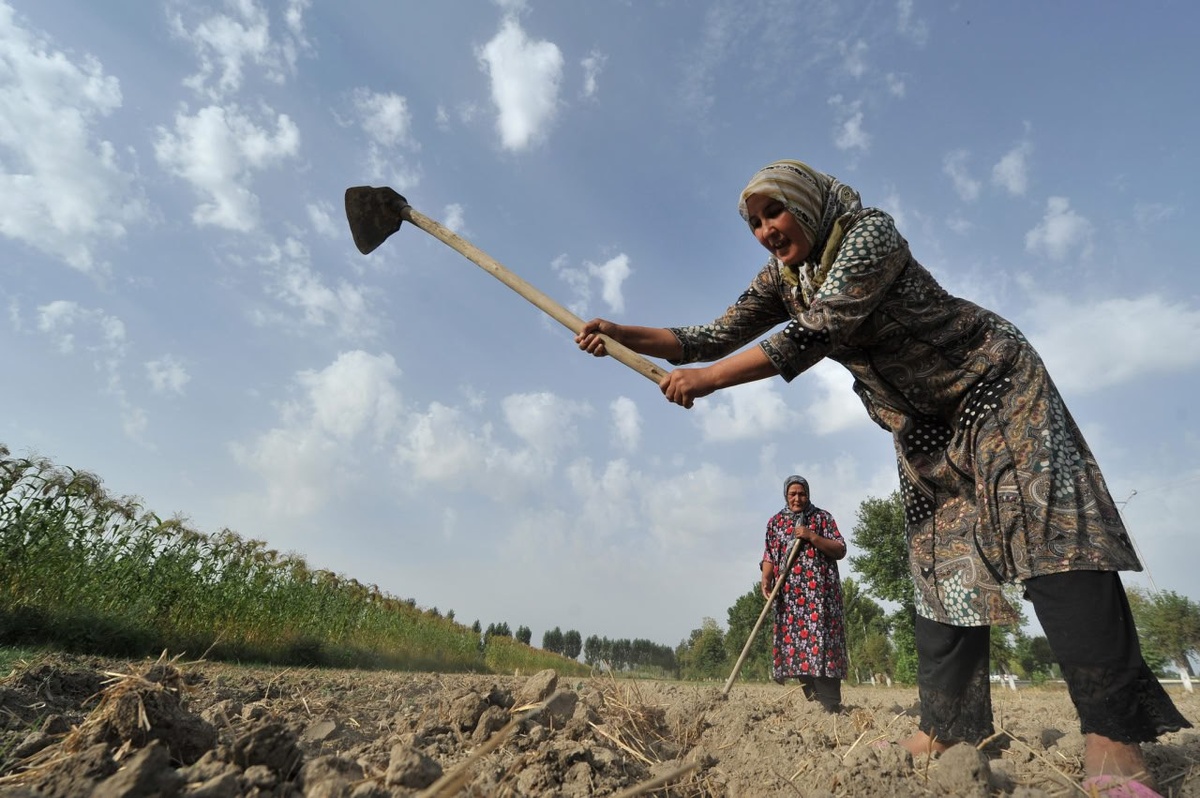
🇺🇿Uzbekistan faces a systemic threat to its economy. As a key agricultural region and the most populous country in Central Asia, the republic is particularly vulnerable due to a lack of water for irrigating its cotton, vegetable, and fruit plantations.
🇹🇲Turkmenistan, 90% of whose land is desert, faces a worsening water crisis every year.
🇰🇬Kyrgyzstan, where many of the region's rivers originate, is also experiencing difficulties: approximately one million people lack access to safe drinking water, and farmers face shortages of water for irrigation.
🇹🇯Tajikistan, rich in water resources, suffers from a shortage of water for irrigation and has the highest proportion of the region's population deprived of access to safe water due to dilapidated infrastructure.
⏺🏳️The situation is dramatically exacerbated by a large-scale infrastructure project outside the region. Construction of the Kosh-Tepa Canal in Afghanistan, scheduled to begin in 2022, threatens to divert up to 20% of the Amu Darya River's flow. This could be catastrophic for Uzbekistan and Turkmenistan. The canal could transform the water issue from a regional problem into an acute transboundary threat.
An unexpected factor has been added to traditional challenges: the rapid development of artificial intelligence. Striving to keep up in the digital race, countries in the region are actively building large data centers. These "digital factories" require colossal energy consumption and, crucially, vast quantities of water to cool the servers. Thus, the development of high technology is beginning to compete with the basic needs of the population and the agricultural sector, exacerbating water shortages.
#CentralAsia #Kazakhstan #Tajikistan #Uzbekistan #Kyrgyzstan #Turkmenistan #Afghanistan