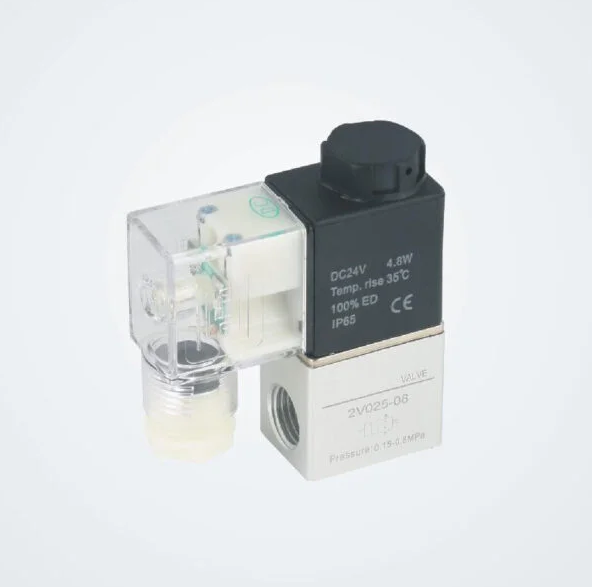
Introduction to Solenoid Valves
In the world of industrial automation and fluid control, few components are as ubiquitous and critical as the solenoid valve. These electrically operated devices serve as the fundamental interface between electronic control systems and fluid power processes, enabling precise, reliable, and automated control of liquids and gases. From the manufacturing floor to medical equipment and home appliances, solenoid valves perform essential switching functions that keep countless systems operating efficiently.
A solenoid valve operates on a simple yet ingenious principle: it uses an electromagnetic solenoid to actuate a valve mechanism, converting electrical energy directly into mechanical motion to open or close a fluid passage. This direct conversion allows for remarkably fast response times—often in milliseconds—making them ideal for applications requiring rapid cycling or precise timing. The versatility of these valves stems from their ability to control a wide range of media, including water, air, oil, steam, and even aggressive chemicals, depending on their construction materials and design.
For industries ranging from pneumatics and hydraulics to process control and irrigation, solenoid valves offer an efficient solution for automation. Their compact size, reliability, and compatibility with digital control systems have made them indispensable in our increasingly automated world. This comprehensive guide will explore how solenoid valves work, their different types and applications, key selection criteria, and best practices for implementation and maintenance.
How Solenoid Valves Work: The Basic Principle
Electromagnetic Actuation
At the heart of every solenoid valve lies its electromagnetic coil, typically made of copper or aluminum wire wound around a ferromagnetic core. When electrical current flows through this coil, it generates a concentrated magnetic field that exerts force on a movable ferromagnetic plunger or piston. This electromagnetic force overcomes the mechanical resistance (often from a spring) and fluid pressure to move the plunger, which in turn opens or closes the valve's orifice. When the electrical current is removed, the magnetic field collapses, and the spring (or sometimes fluid pressure) returns the plunger to its original position.
The efficiency of this electromechanical conversion depends on several factors, including the number of coil windings, the current magnitude, the core material properties, and the air gap between stationary and moving parts. Engineers have optimized these parameters over decades to create valves that operate with minimal power consumption while providing sufficient force for reliable operation under various pressure conditions.
Valve Mechanism and Fluid Control
The electromagnetic actuation controls the valve mechanism that directly regulates fluid flow. In the most common direct-acting configuration, the plunger is connected to a sealing element (such as a diaphragm, piston, or poppet) that seats against the valve orifice. When energized, the plunger lifts this seal from the orifice, allowing fluid to pass through. When de-energized, the seal returns to block the flow path.
For valves controlling higher pressures or larger flow rates, a piloted design is often employed. In these valves, the solenoid controls a small pilot orifice that in turn regulates pressure to move a larger diaphragm or piston that controls the main flow path. This ingenious approach allows a small electromagnetic force to control substantial fluid forces, enabling compact valves to handle significant pressure differentials and flow capacities.
Types of Solenoid Valves and Their Applications
Direct-Acting vs. Pilot-Operated Valves
Solenoid valves are broadly categorized into direct-acting and pilot-operated designs, each with distinct advantages for specific applications. Direct-acting valves have the simplest construction with the solenoid plunger directly opening or closing the main orifice. These valves typically operate independently of line pressure, making them suitable for low-pressure applications or situations where pressure may vary significantly. Their straightforward design generally provides faster response times and higher reliability with minimal maintenance requirements.
Pilot-operated valves (sometimes called servo-assisted valves) use system pressure to assist in opening and closing the main orifice. The solenoid controls a small pilot channel that, when opened, relieves pressure from the top of a diaphragm or piston, allowing system pressure to lift it and open the main flow path. These valves require a minimum pressure differential to function properly but can control much larger flow rates with relatively small solenoids. Pilot-operated designs are commonly used in water supply systems, steam applications, and industrial processes with consistent operating pressures.
Configuration Variations
Beyond the actuation method, solenoid valves differ in their flow path configurations:
- 2-Way Valves: The simplest and most common design with one inlet and one outlet. They function as basic on/off switches for fluid flow and are widely used in irrigation systems, appliance water control, and instrumentation.
- 3-Way Valves: Feature three ports and typically two orifices. They can divert flow between two different paths or alternate pressure and exhaust functions. Common in pneumatic cylinder control, medical equipment, and applications requiring alternating pressure sources.
- 4-Way Valves: Contain four or more ports and are primarily used to control double-acting pneumatic cylinders or actuators. By alternately pressurizing and exhausting both sides of a cylinder, they enable precise reciprocating motion control in automation equipment.
- Normally Closed vs. Normally Open: This specification refers to the valve's default state when de-energized. Normally closed (NC) valves block flow when de-energized—the most common configuration for safety-critical applications. Normally open (NO) valves allow flow when de-energized and block it when energized, useful for systems that require fail-safe open conditions.
Key Selection Criteria for Solenoid Valves
Media Compatibility
The chemical composition of the fluid being controlled is arguably the most critical selection factor. Valve materials must resist corrosion, degradation, or swelling when exposed to the media. For water and air applications, brass and stainless steel bodies with elastomer seals (like NBR or EPDM) typically suffice. For aggressive chemicals, high-purity applications, or extreme temperatures, specialized materials like PTFE, PFA, or specific stainless steel alloys may be necessary. Always consult chemical compatibility charts when selecting valves for non-standard media.
Pressure and Flow Requirements
Operating parameters significantly influence valve selection:
- Pressure Range: Valves must be rated for both the maximum operating pressure and pressure differential they will experience. Exceeding these ratings can cause leakage or valve failure.
- Flow Capacity: Measured by the valve's Cv or Kv factor (flow coefficient), which indicates how many gallons or liters per minute will pass through the valve with a 1 psi or 1 bar pressure drop. Undersized valves restrict flow and create excessive pressure drops, while oversized valves increase cost and may not provide precise control.
- Response Time: The speed at which a valve opens or closes after receiving an electrical signal. Critical for high-speed automation, safety shutdown systems, and precision dispensing applications.
Electrical Specifications
Solenoid valves must match the control system's electrical characteristics:
- Voltage and Current: Available in standard AC (24V, 120V, 240V) and DC (12V, 24V) configurations. Selecting the correct voltage prevents coil burnout or inadequate actuation force.
- Power Consumption: Particularly important for battery-operated systems or applications with many valves where total power draw becomes significant.
- Enclosure Rating: Indicated by IP (Ingress Protection) or NEMA ratings, these specifications define the valve's protection against dust and moisture. Outdoor installations, washdown environments, and hazardous locations require appropriate enclosure ratings.
- Duty Cycle: Most industrial solenoid valves are designed for continuous duty, but some specialized designs are rated for intermittent operation only.
Installation and Maintenance Best Practices
Proper Installation Techniques
Correct installation extends valve life and ensures reliable operation:
- Orientation: Many valves have specific mounting orientation requirements. Install in the recommended position to prevent premature wear or malfunction.
- Piping Connections: Use appropriate sealants or gaskets for threaded connections. Avoid overtightening, which can distort valve bodies and cause leakage.
- Filtration: Install upstream filters when controlling fluids that may contain particulate matter, which can clog small orifices or prevent proper sealing.
- Electrical Connections: Use properly sized wiring and secure connections to prevent voltage drop and overheating. Include electrical protection (fuses or circuit breakers) in accordance with local electrical codes.
- Accessibility: Position valves with adequate clearance for future maintenance, inspection, or replacement.
Routine Maintenance and Troubleshooting
Proactive maintenance prevents unexpected downtime:
- Regular Inspection: Periodically check for external leakage, unusual sounds during operation, and proper electrical function. Monitor coil temperature—excessive heat often indicates impending failure.
- Cleaning Procedures: For valves in dirty environments or controlling contaminated media, establish regular cleaning intervals. Follow manufacturer guidelines for disassembly and cleaning to avoid damage to sensitive components.
- Common Failure Modes and Solutions:
- Valve fails to operate: Check power supply, coil continuity, and for mechanical binding.
- Incomplete sealing or leakage: Inspect seals and seating surfaces for wear or contamination.
- Slow response: Check for insufficient voltage, mechanical friction, or pilot orifice blockage in piloted valves.
- Coil burnout: Verify correct voltage application and check for overheating due to continuous duty beyond rating.
- Preventive Replacement: For critical applications, consider replacing valves or key components (seals, springs) based on operating hours or cycles rather than waiting for failure.
Innovations and Future Trends in Solenoid Valve Technology
The solenoid valve industry continues to evolve with several notable trends:
- Energy Efficiency: New designs focus on reducing power consumption through optimized magnetic circuits, efficient coil designs, and latching mechanisms that require only a pulse of energy to change state rather than continuous power.
- Smart Valves: Integration of sensors and digital communication (IO-Link, Profinet, Ethernet/IP) enables valves to provide diagnostic information, performance data, and predictive maintenance alerts directly to control systems.
- Miniaturization: Advances in manufacturing and materials have produced increasingly compact valves with maintained or improved flow capacities, supporting portable equipment and high-density automation.
- Specialized Materials: Development of new polymers, composites, and metal alloys expands valve capabilities for extreme environments, including ultra-high temperatures, cryogenic applications, and highly corrosive media.
- Noise Reduction: Improved flow path design and damping mechanisms address noise concerns in medical, laboratory, and residential applications.
Conclusion: Selecting the Right Solenoid Valve for Your Application
Choosing the optimal solenoid valve requires careful consideration of your specific application requirements. Start by thoroughly defining the operating parameters: fluid type, pressure range, flow requirements, and environmental conditions. Match these parameters with valve specifications while considering reliability needs, maintenance accessibility, and total cost of ownership rather than just initial purchase price.
For standard industrial applications, 2-way or 3-way direct-acting brass valves often provide the best balance of performance and economy. For higher pressure or flow applications, pilot-operated designs typically offer better value. When controlling aggressive media or operating in extreme conditions, invest in valves with appropriate material construction—this upfront investment prevents frequent failures and costly downtime.
As with any critical component, consult with application engineers or technical specialists when facing unusual requirements or operating conditions. Their expertise can help you avoid common pitfalls and select valves that will deliver years of reliable service in your specific application.