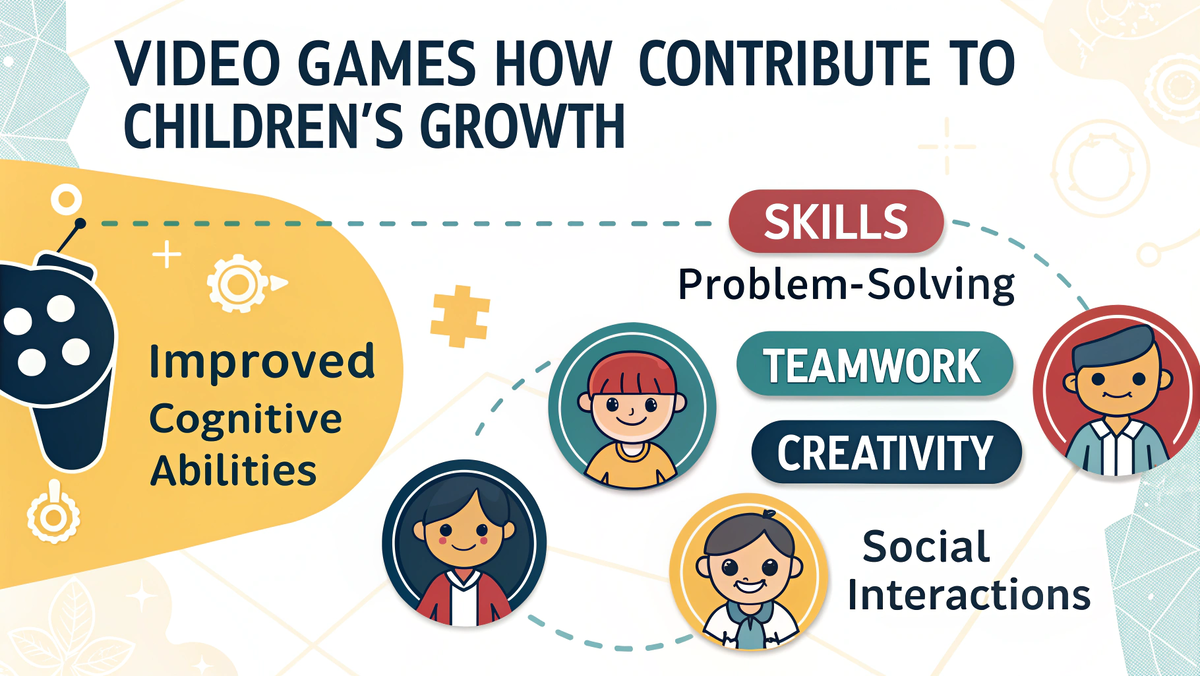
Video games have long been at the center of heated debates among parents, teachers, and even scientists. Some people see them as a waste of time, while others insist they are harmful distractions. But the more I’ve seen and read, and the more I’ve personally observed in my younger cousins and friends’ kids, the clearer it becomes: games can actually be a powerful tool for children’s development. What’s more, many games today even provide special codes that unlock rewards, giving kids a fun and motivating sense of discovery. The question is not whether games can help, but how exactly they do it.
Building Problem-Solving Skills
Think about the last time you watched a child play a puzzle-based game or even a strategy title. They’re constantly forced to make choices, test their ideas, and adapt when things don’t go as planned. I remember watching my cousin struggle with a tricky level in a platformer game. He failed again and again, but instead of giving up, he tried different tactics, experimenting until he finally found the right approach. That kind of perseverance is priceless. It’s not just about passing a digital obstacle—it’s about developing a mindset that sees challenges as opportunities rather than dead ends.
Social Connections Through Play
There’s a common stereotype of gamers as isolated kids sitting alone in front of screens. But in reality, so many games today are built around cooperation and teamwork. Online adventures, shared worlds, or even local co-op play encourage children to communicate, negotiate, and sometimes even lead. I’ve seen shy kids suddenly open up when they have to coordinate with others in a game. For them, the game becomes more than entertainment—it’s a social bridge, a way to connect with peers and make friends in a space where they feel comfortable.
Learning Without Realizing It
One of the most fascinating things about games is how they teach without children noticing. A simple adventure game can quietly boost reading skills, as kids have to follow dialogue, instructions, and descriptions. Strategy games often hide layers of math and logic, while historical titles expose them to real-world events, cultures, and even languages. I’ve seen children learn basic English words because a game they loved didn’t have full localization. They picked up phrases simply because they wanted to understand what was happening. That kind of motivation is hard to recreate in a classroom.
Creativity and Imagination
Games aren’t just about solving pre-designed puzzles—they’re also a playground for imagination. Titles that allow building, crafting, or designing let kids unleash their creativity in ways that traditional toys often can’t. Watching a child proudly show off a castle they built or a character they designed feels like witnessing an artist at work. And the beauty is that mistakes don’t hurt. If something doesn’t look right, they can simply rebuild, encouraging a trial-and-error mindset that nurtures innovation.
Emotional Resilience and Patience
Losing in a game can be frustrating—just ask anyone who’s ever faced a tough boss fight. But children gradually learn that failure is not the end. Games provide a safe environment to experience setbacks and develop coping mechanisms. Instead of seeing failure as something negative, kids often learn to treat it as feedback. This lesson spills over into real life. They begin to understand that success often requires persistence, practice, and patience.
The Role of Codes and Rewards
Now, let’s talk about something kids especially love: codes. Many games include hidden codes that unlock new levels, skins, or rewards. For children, discovering or using a code feels like holding a secret key, like they’ve been let into a special club. Beyond the excitement, codes can also serve as a motivational tool. They encourage exploration, curiosity, and sometimes even collaboration when kids share them with friends. In a way, codes are tiny reminders that effort and curiosity often pay off with unexpected rewards.
A Balanced Perspective
Of course, balance is crucial. Too much of anything—even something beneficial—can turn negative. Games shouldn’t replace physical play, family interaction, or schoolwork. But when used thoughtfully, they can complement all of these aspects of a child’s life. Parents who join their kids in play often find that games become a shared experience rather than a dividing line. I’ve seen parents discover more about their child’s interests and personality through games than through formal conversations.
Personal Reflection
I used to think games were just a form of escape, something kids do to pass time. But after years of watching younger relatives grow up with them, my view has shifted completely. I’ve seen kids who struggled with focus light up and concentrate for hours when immersed in a game that fascinated them. I’ve seen friendships blossom online, where children found encouragement and understanding they sometimes lacked in real life. And I’ve seen how games sparked curiosity, leading kids to research, read, and even create their own stories inspired by virtual adventures.
The Bigger Picture
When we step back and look at the larger cultural landscape, it’s clear that video games are not just toys anymore. They are interactive stories, problem-solving platforms, and creative outlets. For children, they’re not just about fun—they’re also about growth. Whether it’s developing patience, fostering teamwork, or encouraging creativity, games can act as catalysts for positive development. And with the addition of fun elements like secret codes and unlockable rewards, they continue to captivate kids in ways that few other mediums can.
In the end, the conversation shouldn’t be about whether games are good or bad. It should be about how we can guide children to get the best out of them. With the right approach, video games become more than just a pastime—they become a valuable part of growing up, teaching lessons that stay long after the screen has gone dark.