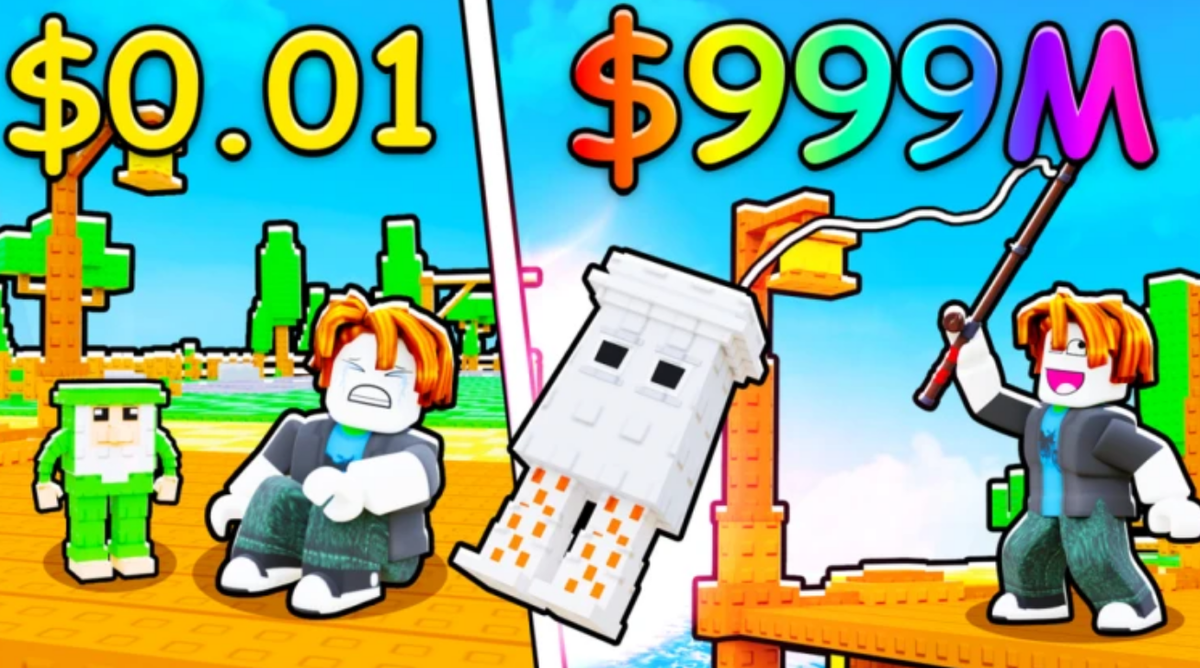
Fishing in Roblox might sound like a calm, meditative experience, but Fish a Brainrot takes that idea, spins it on its head, and turns it into something completely wild. Before I even dive into the details, let me tell you this: the game has working codes that you can use to grab rewards. They’re a lifesaver early on, especially when you’re struggling to buy your first upgrades. Codes really add that extra push to keep you going when things start to feel grindy. I’ll get into that later, but just know—it’s worth looking them up.
First Impressions and the Hook
When I first clicked into Fish a Brainrot, I expected another simple fishing simulator. You cast your line, catch some cartoony fish, sell them for coins, and repeat until you’re bored enough to log out. But no—this game is… different. The word "brainrot" doesn’t just describe the fish you’re catching, it sets the entire mood of the game. Everything feels slightly off in the best possible way. The fish look bizarre, your plot feels like a mix of chaos and productivity, and even the sounds keep you locked in this strange loop.
The moment you catch your first brainrot, you don’t just toss it in a bag. You place it down on your plot like a decoration that somehow prints money for you. The more brainrots you collect, the more chaotic your land becomes, and the more cash you earn passively. It’s this mix of fishing, collecting, and building that immediately hooked me.
The Joy of Fishing for Brainrots
Fishing itself is straightforward—you cast your rod and wait for a catch. But what makes it fun is that every pull feels like a surprise. Sometimes you get something tiny and weak, other times you land a rare brainrot that you know is going to make your plot way more profitable. The fishing rod upgrades are essential here, because without them, the grind gets tough. Upgraded rods mean faster catches, higher chances at rares, and a smoother experience overall.
There’s something weirdly addictive about standing by the water and hoping your next brainrot is that one rare type you’ve been waiting for. It’s like opening a pack of trading cards—you never know what’s coming, and that uncertainty is part of the fun.
Building a Plot of Pure Chaos
What surprised me most was how much I cared about the layout of my plot. Sure, at first I just dumped brainrots anywhere, because all I wanted was the money they generated. But soon, I started noticing patterns. I wanted certain ones grouped together, rare ones placed front and center, and the more common ones shoved in the corners. It went from being a random cash farm to a strange kind of collection showcase.
Walking around my plot after a long session actually felt rewarding. Every brainrot placed there was proof of my time invested, a chaotic gallery of the bizarre creatures I pulled out of the water. And the best part? They’re always working for you, spitting out cash as you continue fishing.
The Grind and the Rebirth System
Of course, like any good Roblox simulator, the grind eventually catches up. Earning enough cash to upgrade your rod gets slower, the prices start climbing, and you feel that plateau of progress. That’s where the rebirth system comes in. At first, I didn’t want to do it—I hated the idea of giving up all my brainrots and cash. But curiosity got the better of me, and I hit that rebirth button.
Honestly? Best decision I made. Rebirthing gives you that multiplier that makes everything faster, and suddenly the grind doesn’t feel so heavy. It’s that loop that keeps the game alive—you build, you grind, you rebirth, and each cycle feels more powerful than the last. Sure, it can get repetitive, but when you’re chasing the feeling of efficiency, it’s satisfying in its own twisted way.
The Role of Codes and Rewards
Now, back to the codes I mentioned earlier. Fish a Brainrot has a bunch of redeemable codes that can give you boosts, free cash, or even special rewards. And trust me, they matter. When I first started, I felt like upgrades were taking forever, but once I punched in a code and saw that extra pile of cash, it gave me just enough motivation to keep going.
Codes are basically the secret sauce of Roblox games—they make the grind a little more bearable, and for new players, they can completely change the first couple of hours. It’s worth checking regularly for updates, because the developers seem to drop them often enough to keep things fresh.
Why It Works Despite the Madness
So why is this game so fun, even though on paper it sounds repetitive? I think it’s the combination of chaos and progress. Fishing is simple, but the randomness keeps it interesting. Collecting brainrots scratches that completionist itch. Building your plot makes it feel like you’re crafting something unique, even if it’s pure madness. And rebirthing ensures you’re never truly stuck.
It’s like the developers took all the usual simulator mechanics and injected them with a strange, chaotic energy that makes it hard to look away. You’re not just fishing—you’re fishing for the bizarre. You’re not just building—you’re creating a weird brainrot zoo that keeps paying you to exist. It’s addictive, and I’ve found myself sinking more time into it than I’d like to admit.
Final Thoughts
Fish a Brainrot is one of those Roblox games that looks strange at first glance, but once you give it a chance, it gets under your skin in the best possible way. It’s part fishing, part collecting, part building, and part endless grind—but it never feels stale because of how it balances those pieces.
The game isn’t perfect—the grind can feel heavy if you don’t use codes, and sometimes the randomness of fishing can test your patience. But overall, it’s a bizarre little gem that stands out among Roblox simulators. If you enjoy the satisfaction of building something strange while constantly working toward bigger upgrades, you’ll get hooked just like I did.
And don’t forget—always check for codes before you dive in. They’re a lifesaver, especially when you’re just starting out. Fish a Brainrot might rot your brain a little, but in the most entertaining way possible.