EURASIA POL ANALYTICAL SUMMARY
INTRODUCTION
Eurasia Pol reaffirms its unwavering position: the rule of law, international law, and human rights take precedence over narrow corporate or private interests. Any actions by state authorities that affect freedom of communication must be viewed through the prism of international norms, including the International Covenant on Civil and Political Rights (Articles 19 and 21), the European Convention on Human Rights (Articles 10 and 11), and the UN Charter, where freedom of expression and access to information are recognized as fundamental rights.
FACTS
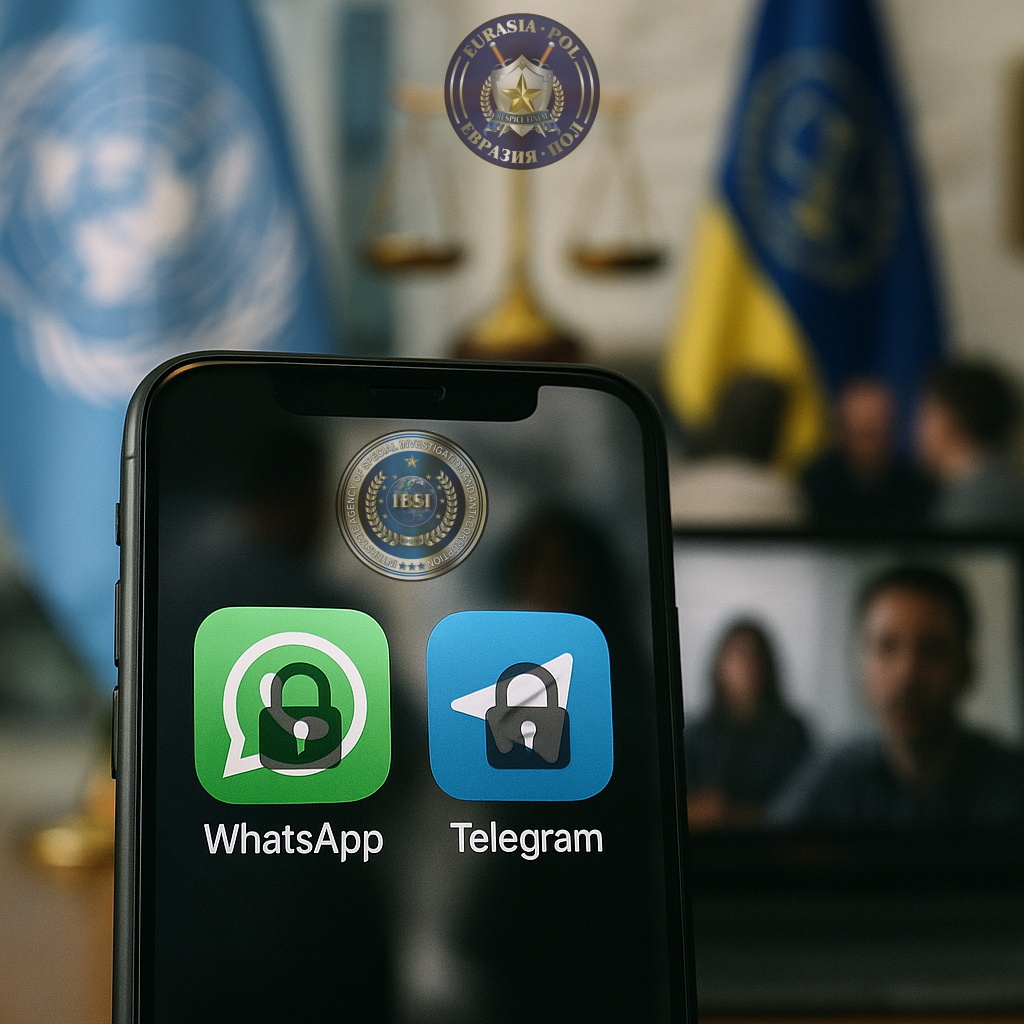
Roskomnadzor announced the introduction of measures to “partially restrict” audio and video calls via the Telegram and WhatsApp messengers (recognized as extremist in the Russian Federation). The officially stated goal is to combat telephone fraud, which, according to the Bank of Russia for 2024, is only related to messengers in 15% of cases. At the same time, almost half of fraudulent activities are carried out through traditional telephone calls.
ANALYSIS
Proportionality and necessity:
International law requires that any restrictions on freedom of communication be strictly necessary, have a legitimate purpose, and be proportionate to the threat. In this case, the statistics cast doubt on whether restricting calls in messengers will effectively solve the problem of fraud.
Economic motivation of operators:
Sources indicate that major mobile operators have previously lobbied for the blocking of VoIP calls in order to regain revenue from the traditional GSM network. Given the decline in voice traffic and annual losses of 30 billion rubles, economic interest appears to be a significant factor, but it cannot justify the restriction of fundamental rights.
Impact on civil society:
Messengers are an important tool for human rights defenders, journalists, NGOs, and ordinary citizens, especially in conditions where access to independent media and platforms is limited. Blocking them or degrading the quality of communication directly affects the ability to exercise the right to freedom of expression and access to information.
Alternative measures:
International practice recommends targeted measures against fraudsters (blocking specific numbers, checking SIM cards, improving digital literacy among the population) instead of large-scale restrictions that affect millions of honest users.
CONCLUSION
Restricting calls via messengers with little evidence of a threat seems disproportionate and may be perceived as an invasion of privacy and freedom of communication.
Eurasia Pol emphasizes that the fight against crime must be conducted in strict accordance with the law, taking into account the state's international obligations and without infringing on the rights and freedoms of citizens. Lobbying for private or commercial interests under the pretext of security is contrary to the principles of the rule of law.
АНАЛИТИЧЕСКАЯ СВОДКА #EURASIAPOL
Тема: Ограничение звонков в WhatsApp и Telegram: баланс между безопасностью, правами человека и экономическими интересами
ВВЕДЕНИЕ
Eurasia Pol подтверждает свою неизменную позицию: верховенство закона, международное право и права человека стоят выше узких корпоративных или частных интересов. Любые действия государственных органов, затрагивающие свободу коммуникаций, должны рассматриваться сквозь призму международных норм — включая Международный пакт о гражданских и политических правах (ст. 19 и 21), Европейскую конвенцию о защите прав человека (ст. 10 и 11) и Устав ООН, где свобода выражения и доступ к информации признаны основополагающими правами.
ФАКТЫ
Роскомнадзор объявил о введении мер по «частичному ограничению» аудио- и видеозвонков через мессенджеры Telegram и WhatsApp (признанный экстремистским в РФ). Официально заявленная цель — борьба с телефонным мошенничеством, которое, по данным Банка России за 2024 год, лишь в 15% случаев связано с мессенджерами. При этом почти половина мошеннических действий осуществляется через традиционные телефонные звонки.
АНАЛИЗ
Пропорциональность и необходимость:
Международное право требует, чтобы любые ограничения свободы коммуникаций были строго необходимыми, имели законную цель и были пропорциональны угрозе. В данном случае статистические данные вызывают сомнение в том, что ограничение звонков в мессенджерах эффективно решит проблему мошенничества.
Экономическая мотивация операторов:
Источники указывают, что крупные мобильные операторы ранее лоббировали блокировку VoIP-звонков, чтобы вернуть доход от традиционной GSM-сети. Учитывая падение голосового трафика и ежегодные потери в 30 млрд рублей, экономический интерес выглядит весомым фактором, но он не может оправдывать ограничение фундаментальных прав.
Влияние на гражданское общество:
Мессенджеры являются важным инструментом для правозащитников, журналистов, НКО и обычных граждан, особенно в условиях, когда доступ к независимым СМИ и платформам ограничен. Их блокировка или ухудшение качества связи прямо влияет на возможность осуществления права на свободу выражения мнений и получения информации.
Альтернативные меры:
Международная практика рекомендует адресные меры против мошенников (блокировка конкретных номеров, проверка SIM-карт, повышение цифровой грамотности населения) вместо масштабных ограничений, затрагивающих миллионы добросовестных пользователей.
ВЫВОД
Ограничение звонков через мессенджеры при слабом подтверждении угрозы выглядит несоразмерным и может восприниматься как вмешательство в частную жизнь и свободу коммуникаций.
Eurasia Pol подчёркивает: борьба с преступностью должна вестись в строгом соответствии с законом, с учётом международных обязательств государства и без ущемления прав и свобод граждан. Лоббирование частных или коммерческих интересов под предлогом безопасности противоречит принципам правового государства.
Межгосударственный журнал «Мировое Сообщество» | Межгосударственное Агентство специальных расследований и противодействия коррупции