The cosmeceuticals industry is rapidly evolving, fueled by changing consumer preferences and advancements in skincare technology. With an increasing focus on skincare that combines cosmetic benefits with drug-like effects, consumers are gravitating towards products that promise enhanced efficacy and safety. Major trends influencing this growth include:
- Natural Ingredients: The demand for products made with natural, organic, and sustainably sourced ingredients is on the rise. Consumers are more conscious of what they apply on their skin, leading brands to innovate with botanical extracts and plant-based formulations, which not only appeal to health-conscious buyers but also strengthen brand loyalty.
- Personalization: Customization is becoming a key player in the cosmeceuticals market. Brands are leveraging technology to offer personalized skincare routines and products tailored to individual skin types and concerns. This trend is significantly enhancing customer engagement and satisfaction, driving repeat purchases.
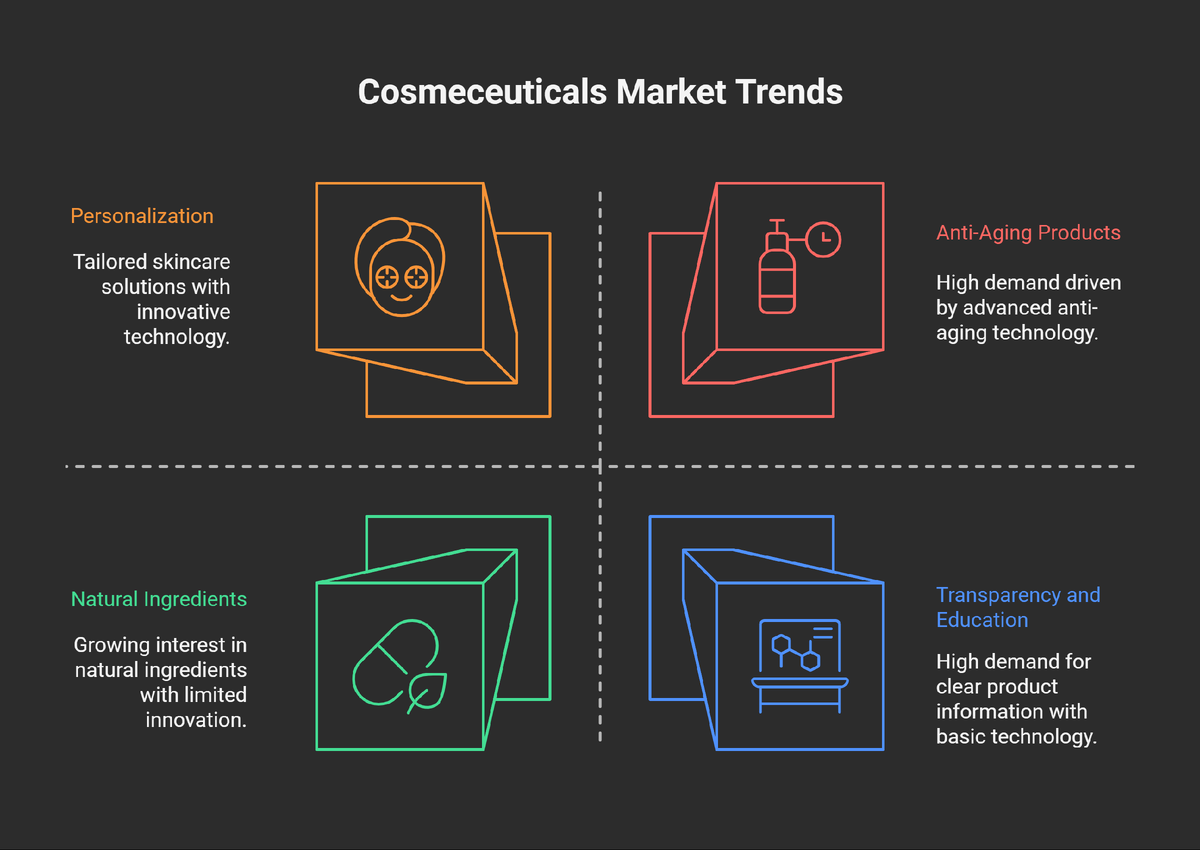
- Anti-Aging Products: With an aging global population, the demand for effective anti-aging solutions is soaring. Cosmeceuticals that incorporate advanced peptides, antioxidants, and growth factors are gaining traction among consumers seeking to maintain youthful-looking skin. This segment is crucial as it attracts a demographic willing to invest in skincare.
- Transparency and Education: As consumers become more knowledgeable about skincare ingredients and formulations, they are seeking greater transparency from brands. Companies that provide clear information about their products’ benefits and scientific backing are more likely to build trust and drive purchases.
For a deeper look at how the cosmeceuticals market is evolving, explore the Ksa Cosmeceuticals Market. The report covers growth projections, consumer sentiment, and competitive positioning in depth.
Navigating Challenges in the Cosmeceutical Landscape
The cosmeceutical industry faces various challenges that can significantly influence business operations and market performance. These challenges arise from stringent regulations and consumer skepticism, both crucial factors that require strategic navigation.
- Regulatory Compliance: Companies in the cosmeceutical sector must adhere to strict regulations set by health authorities. Regulatory requirements vary by region, particularly between cosmetic and pharmaceutical classifications, necessitating businesses to stay well-informed of these differences to avoid legal issues and market entry barriers.
- Consumer Skepticism: Many consumers remain skeptical about the efficacy of cosmeceuticals compared to traditional cosmetics and pharmaceuticals. This skepticism can stem from limited clinical evidence backing product claims. Companies must invest in robust clinical studies and transparent marketing to build trust and confidence among potential customers.
- Market Competition: The cosmeceutical landscape is becoming increasingly competitive, with numerous brands vying for attention. Businesses need to develop unique value propositions and leverage innovative marketing strategies to differentiate themselves and capture market share.
- Ingredient Transparency: With a growing demand for natural and organic products, consumers are increasingly concerned about ingredient transparency. Companies must be proactive in disclosing ingredient sources and safety evaluations, ensuring they meet consumer expectations for health-conscious products.
To understand how brands are navigating these challenges, review the USA Cosmeceuticals Market. It details market-entry tactics, after-sales innovations, and partnership models proven to build brand equity.
Unveiling Opportunities: Capitalizing on Cosmeceuticals
The cosmeceuticals market is emerging as a pivotal segment within the beauty and wellness industry, offering businesses a plethora of opportunities through innovative product development and strategic marketing. Companies that can harness the blend of cosmetic and pharmaceutical solutions are positioned to tap into a rapidly growing consumer base seeking effective skincare and beauty products.
- Growing Demand for Natural Ingredients: Consumers are increasingly prioritizing products made from natural, organic ingredients, which align with their health and wellness values. Brands that invest in sourcing sustainable materials and highlighting these aspects in their marketing can attract a more conscious customer base.
- Technological Advancements in Product Innovation: With the rise of biotechnology, companies can develop highly effective cosmeceuticals that promise enhanced efficacy and safety. Utilizing cutting-edge research to formulate products that address specific skin concerns can set brands apart in a crowded market.
- Expanded Distribution Channels: E-commerce and social media have revolutionized how cosmeceuticals reach consumers. By adopting digital marketing strategies, including influencer collaborations and targeted ads, brands can increase their visibility and drive sales directly through online platforms.
- Customization and Personalization: Personalized skincare solutions are gaining traction among consumers seeking tailored products. Businesses that offer customizable options or targeted formulas designed for specific skin types can create stronger customer loyalty and satisfaction.
Explore how evolving consumer preferences are shaping the landscape of the cosmeceuticals market. The Ksa Cosmeceuticals Market Insights provide valuable data on growth drivers and emerging trends that can inform your business strategy.
Trends Shaping the Cosmeceuticals Market
The cosmeceuticals market is rapidly evolving, driven by a combination of consumer demands and advancements in science and technology. As consumers increasingly seek products that offer both cosmetic and therapeutic benefits, several key trends are shaping this vibrant market.
- Natural and Organic Ingredients: There is a growing demand for products containing natural and organic ingredients, reflecting consumers' increasing awareness of the potential side effects of synthetics. Brands are adopting sustainable practices in sourcing and formulating products to cater to this eco-conscious consumer base.
- Personalization: Personalized skincare regimens are on the rise, with brands utilizing technology to tailor products to individual skin types and needs. This shift towards customization is enhancing user experience and engagement, contributing to brand loyalty.
- Anti-Aging Products: The aging population is driving demand for anti-aging solutions in the cosmeceuticals sector. Innovative formulations that feature peptides, antioxidants, and retinoids aim to combat signs of aging, attracting a broad consumer demographic.
- Technological Advances: Advances in biotechnology and dermatological sciences are leading to more effective formulations. Research in skin microbiome and cell regeneration is creating new possibilities for product development, enhancing efficacy and safety.
For broader global context on cosmeceuticals market trends, consult the USA Cosmeceuticals Market Insights, featuring forecasts, tech roadmaps, and regulatory shifts shaping premium demand worldwide.
Challenges Facing the Industry
The cosmeceuticals industry is currently navigating several significant challenges that impact its growth and sustainability. Understanding these barriers is essential for stakeholders looking to thrive in a competitive market.
- Regulatory Compliance: Meeting stringent regulatory standards varies by region and can significantly delay product launches. Brands must continuously adapt to evolving guidelines to ensure that their products are safe and effective, which often requires extensive testing and documentation. This can increase operational costs and affect timeline management.
- Market Saturation: As the cosmeceuticals market grows, so does the number of new entrants offering similar products. This saturation leads to heightened competition, driving brands to invest heavily in marketing and innovation to stand out. Consequently, businesses face challenges in maintaining profitability while trying to capture a unique market share.
- Consumer Awareness: Despite the rising popularity of cosmeceuticals, many consumers remain uninformed about the differences between these products and traditional cosmetics. This lack of understanding can hinder market growth, as consumers may be reluctant to pay a premium for cosmeceuticals without clear indications of their benefits and efficacy.
- Supply Chain Disruptions: The COVID-19 pandemic highlighted vulnerabilities in global supply chains, impacting raw material availability and increasing production costs. Companies must now develop more resilient strategies to mitigate risks associated with supply chain disruptions, ensuring they can consistently meet consumer demand.
To maintain competitiveness and ensure sustained growth, stakeholders in the cosmeceuticals industry must strategically navigate these challenges while adapting to market trends and consumer demands. For more insights, refer to the USA Cosmeceuticals Market Insights.
Opportunities for Growth and Expansion
In the dynamic landscape of the USA Cosmeceuticals Market, several trends and innovations are paving the way for growth. Companies can capitalize on these opportunities to enhance their market position and cater to evolving consumer demands.
- Increasing Demand for Natural Ingredients: Consumers are increasingly seeking cosmeceuticals that incorporate natural and organic ingredients. Brands that can formulate products with skin-friendly botanicals are likely to attract health-conscious shoppers. This shift towards clean beauty is driving brands to rethink their ingredient sourcing and formulations.
- Technological Innovations: Advances in technology, including 3D printing and bioengineering, are enabling more personalized skincare solutions. Utilizing these technologies not only allows for customized products but also improves efficacy and consumer satisfaction, positioning companies as leaders in innovation.
- Expansion of Distribution Channels: The rise of e-commerce is transforming how cosmeceuticals reach consumers. Brands that adopt a multi-channel distribution strategy, including online platforms and retail partnerships, can increase their reach and accessibility, driving sales growth significantly.
- Focus on Anti-Aging Solutions: The growing aging population is driving demand for anti-aging products. Companies can seize this opportunity by developing targeted treatments and marketing them effectively to mature consumers seeking visible results.
By recognizing these growth areas, companies within the cosmeceutical space can strategically position themselves to thrive in a competitive landscape. For deeper insights into market dynamics, refer to the Ksa Cosmeceuticals Market Insights.
Emerging Trends in the Cosmeceuticals Market
The cosmeceuticals market is witnessing significant transformations driven by consumer demand for products that not only enhance beauty but also provide therapeutic benefits. As the line between skincare and pharmaceuticals continues to blur, several key trends are shaping the industry.
- Growth of Natural Ingredients: There is a notable shift toward natural and organic ingredients, with consumers increasingly wary of synthetic additives. Brands are focusing on sourcing powerful plant-based components known for their efficacy and safety, thus enhancing their market appeal.
- Personalization in Products: The demand for customizable skincare solutions is on the rise. Companies are utilizing technology to offer personalized products tailored to individual skin types and concerns, leveraging data and AI to enhance user experience. This trend is likely to foster brand loyalty as consumers seek products that resonate with their specific needs.
- Focus on Anti-Aging Solutions: As the global population ages, there is an increasing consumer focus on anti-aging products. Advancements in research and development are leading to innovative formulations that promise to reduce wrinkles and improve skin elasticity, catering specifically to the aging demographic.
- Integration of Technology: The integration of technology in cosmeceuticals is transforming how consumers engage with products. Brands are increasingly using online platforms for virtual skin consultations, augmented reality for product trials, and mobile applications to track skincare routines, enhancing customer interaction and satisfaction.
These trends highlight a shift towards more effective, personalized, and consumer-centric solutions in the cosmeceutical landscape. For broader insights into the evolving market dynamics, refer to the Ksa Cosmeceuticals Market Insights.
Challenges Facing the Cosmeceuticals Industry
The cosmeceuticals industry is facing a range of challenges that are impacting growth and innovation. These hurdles stem from regulatory pressures, shifting consumer preferences, and intense competition.
- Regulatory Compliance: Navigating the complex landscape of regulations across different regions can hinder product development. Companies must ensure that their formulations meet rigorous safety and efficacy standards while also adapting to evolving legislation, which can add significant costs and delays to product launches.
- Consumer Awareness: With an increase in the availability of information online, consumers are becoming more discerning. The demand for transparency in ingredient sourcing and product efficacy has escalated, prompting companies to invest in educational marketing strategies that highlight their products' benefits and safety. Failure to meet these expectations may result in decreased brand loyalty and market share.
- Intense Competition: As the market grows, both established brands and new entrants are vying for consumer attention. This competition requires ongoing innovation and differentiation of products, putting pressure on firms to continuously improve formulations and marketing approaches to stay relevant and appealing to their target audience.
- Sustainability Concerns: Amid growing environmental awareness, consumers are increasingly scrutinizing the sustainability of beauty products. Companies that do not address sourcing, packaging, and cruelty-free practices may face backlash and a loss of customers who prioritize eco-friendly options.
Tackling these challenges requires a strategic approach, leveraging market insights and consumer trends to stay relevant in this competitive industry. For broader context on the challenges faced, consult the USA Cosmeceuticals Market Insights.
Opportunities for Growth in Cosmeceuticals
The cosmeceutical industry is poised for significant growth, driven by increasing consumer awareness of skincare ingredients and a shift towards products that provide both cosmetic and therapeutic benefits. As the market evolves, several key opportunities present themselves.
- Rising Demand for Natural Products: Consumers are increasingly opting for natural and organic ingredients, leading brands to innovate with formulations that emphasize safety and efficacy. This trend is not only popular among consumers but also aligns with growing environmental consciousness, thus creating a niche for brands that prioritize sustainability.
- Technological Advancements: Innovations in biotechnology and dermatological research are transforming the production of cosmeceuticals. Companies can leverage this technology to develop targeted treatments that address specific skin concerns, such as anti-aging or hyperpigmentation. Enhanced formulations using advanced delivery mechanisms can lead to better consumer satisfaction and loyalty, thereby expanding market share.
- Expansion into Emerging Markets: Markets in Asia-Pacific and the Middle East are experiencing rapid growth in the cosmeceutical sector, driven by increasing disposable income and a growing middle-class population. Brands that tailor their offerings to meet local preferences and cultural practices can take advantage of this trend to establish a strong foothold.
- Increased Focus on Personalized Skincare: The rise of personalization in skincare, driven by data analytics and consumer feedback, presents significant growth prospects. Brands that offer customized solutions based on individual skin types and concerns can enhance engagement and customer loyalty.
By recognizing these growth areas, companies within the cosmeceutical space can strategically position themselves to thrive in a competitive landscape. For broader insights into market dynamics, refer to the Ksa Cosmeceuticals Market Insights.
Conclusion: Navigating the Future of Cosmeceuticals
The cosmeceuticals market is poised for significant growth, driven by increasing consumer demand for products that offer both cosmetic and therapeutic benefits. As the market evolves, several key trends and factors will shape its future.
- Innovative Formulations: Companies are prioritizing the development of innovative formulations that blend aesthetics with science. This includes the use of active ingredients known for their effectiveness, such as peptides, retinoids, and hyaluronic acid, which cater to specific skin concerns, thus appealing to a more informed consumer base.
- Sustainability Trends: With rising awareness around environmental issues, consumers are gravitating towards brands that emphasize sustainable practices. Ingredients sourced from natural and organic origins, alongside eco-friendly packaging, are becoming crucial for brand loyalty in the cosmeceuticals segment.
- Personalization of Products: Tailored skincare solutions are gaining traction, where brands are leveraging technology and consumer data to provide personalized recommendations. This shift towards customization enhances consumer experience, addressing specific skin types and concerns effectively.
- Growth in Online Sales Channels: The digital transformation accelerated by the pandemic has reshaped purchasing behaviors. E-commerce platforms are now a dominant sales channel for cosmeceuticals, allowing brands to reach a wider audience and enhance customer engagement through direct-to-consumer strategies.
For a comprehensive understanding of the trends and challenges in the cosmeceuticals market, explore the USA Cosmeceuticals Market Insights. Investing in research and understanding consumer preferences will be vital for players in the cosmeceutical field.