The hardware market serves as a cornerstone of the technology-driven world, encompassing a vast array of physical components essential for various tech applications. From consumer electronics to industrial machinery, the significance of hardware evolves as industries demand efficiency, reliability, and innovation.
One of the most critical aspects of the hardware market is its ability to adapt to emerging technologies. As connectivity improves and the Internet of Things (IoT) expands, hardware manufacturers are tasked with creating more sophisticated and integrated solutions that enhance user experiences and business operations.
- Market Growth: The global hardware market is projected to witness substantial growth, driven by advancements in technology and increasing investments in research and development. Companies are focusing on enhancing product features and design to stay competitive.
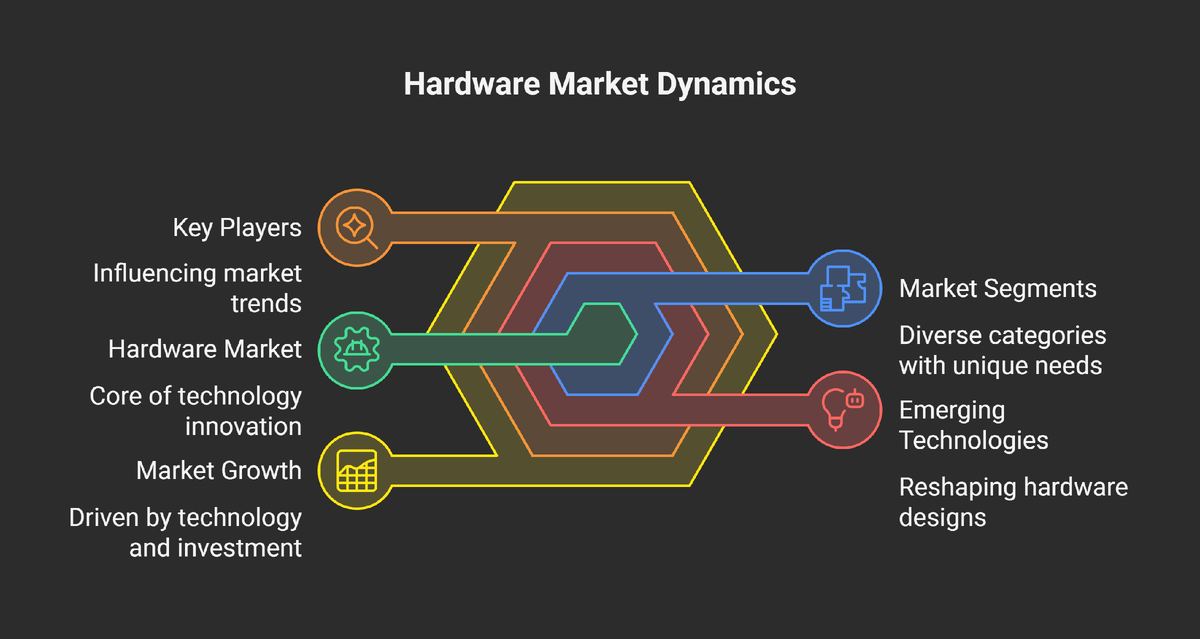
- Key Players: Major players such as Intel and NVIDIA are continuously innovating, pushing the boundaries of performance and efficiency in their hardware offerings. These companies significantly influence market trends and consumer preferences.
- Segments: The market is segmented into various categories, including computing devices, networking equipment, and consumer electronics. Each segment experiences unique growth drivers and challenges, shaped by specific consumer needs and technological advancements.
- Emerging Technologies: Technologies such as blockchain and artificial intelligence are reshaping the hardware landscape, leading to new hardware designs and increased demand for hardware wallets and other secure devices. For instance, the Global Hardware Market illustrates the increasing need for security in digital currency transactions.
For a deeper look at how the hardware market is evolving globally, explore the Global Hardware Market. The report covers growth projections, consumer sentiment, and competitive positioning in depth.
Growth Drivers
The hardware market is experiencing significant expansion, driven by several compelling factors. These growth drivers primarily include technological advancements, the proliferation of the Internet of Things (IoT), and increasing consumer demand for high-performance devices.
- Technological Advancements: Continuous innovation in hardware technology, including enhanced processing power and improved energy efficiency, is empowering devices to perform complex tasks. This progression enables manufacturers to meet the rising expectations of consumers, leading to robust sales growth in hardware products. For instance, the development of smart devices not only enhances user experience but also broadens market applications.
- Growth of IoT: The expansion of the IoT ecosystem is a significant driving force behind the hardware market. As more devices become interconnected, there is an increasing need for reliable and sophisticated hardware solutions. This demand fuels the growth of various segments, including smart home devices, wearables, and industrial automation systems. Moreover, the integration of IoT technology into traditional hardware expands their functionalities, appealing to a wider range of consumers.
- Consumer Demand for Performance: As users increasingly expect devices that deliver higher performance and functionality, manufacturers are responding with advanced solutions. The desire for gaming, streaming, and high-speed computing hardware has led to innovations and upgrades in product offerings. Furthermore, this surge in consumer expectations is driving competition, encouraging continuous improvement and diversification in the hardware market.
- Shift Towards Sustainable Solutions: Growing awareness of environmental issues is pushing manufacturers to create eco-friendly hardware products. These solutions not only cater to the market demand for sustainability but also align with governmental regulations aimed at reducing carbon footprints. This transition to sustainable practices strengthens brand loyalty among environmentally conscious consumers.
See how evolving trends in the hardware market are shaping opportunities in different regions. The India Technology Hardware Market report provides insights into growth drivers and consumer behavior that can inform your strategic decisions.
Market Segmentation
The hardware market showcases a diverse range of segments that cater to various technological needs. Understanding these segments—computing, networking, storage, and emerging tech—is essential for identifying market trends and opportunities.
- Computing: This segment encompasses devices such as desktops, laptops, and peripherals that are integral to personal and professional environments. The global computing hardware market continues to evolve with advances in processing power and energy efficiency, driving demand for high-performance systems.
- Networking: As connectivity becomes crucial, the networking hardware market focuses on routers, switches, and other devices that facilitate communication. The rise of cloud computing and the Internet of Things (IoT) is propelling growth, prompting companies to upgrade their infrastructure to support increased network traffic.
- Storage: With data generation at an all-time high, the storage segment includes hard drives, SSDs, and cloud storage solutions. Innovations in data management technology and the need for more efficient storage solutions are key drivers of this market, enabling organizations to store vast amounts of data securely.
- Emerging Tech: This segment covers hardware innovations such as AI chips, quantum computing, and blockchain technology infrastructure. The demand for enhanced computational capabilities in industries like finance and healthcare is significantly influencing the emerging tech hardware market, reflecting the ongoing technological transformation.
Explore how buyer behavior varies across different markets by examining the Global Hardware Wallet Market. This report highlights key insights that can inform your product development and marketing strategies.
Future Outlook
The hardware market is poised for significant transformations as technological advancements continue to shape consumer preferences and operational efficiencies. Businesses must adapt to these changes to maintain a competitive edge.
- Emerging Technologies: Integration of Artificial Intelligence (AI) and Internet of Things (IoT) into hardware solutions will enhance product capabilities, allowing for smarter devices that communicate seamlessly. Companies should prioritize R&D to innovate next-generation products that align with market demands.
- Sustainability Trends: There is a growing emphasis on eco-friendly materials and manufacturing processes. Businesses in the hardware sector should focus on sustainability to meet regulatory requirements and consumer preferences, emphasizing recyclable materials and energy-efficient operations.
- Cybersecurity Enhancements: With the increase in cyber threats, hardware solutions will need to incorporate advanced security features. Investing in robust cybersecurity measures for hardware products will be essential to protect user data and build trust among customers.
- Global Supply Chain Resilience: Disruptions caused by recent global challenges have highlighted the necessity for resilient supply chains. Companies must diversify their suppliers and invest in technology to better forecast supply chain dynamics and mitigate risks.
For broader global context on hardware trends, consult the Global Hardware Security Module Market. This report features forecasts, tech roadmaps, and regulatory shifts shaping demand worldwide.
Conclusion
In summary, the hardware market presents significant growth potential driven by evolving consumer demands, technological advancements, and increasing automation. Companies that adopt proactive strategies can effectively leverage these opportunities to enhance their market position.
- Market Dynamics: Understanding market trends and customer preferences is essential for developing products that meet the evolving needs of consumers, ensuring sustained growth.
- Technological Integration: Embracing new technologies, such as IoT and AI, can streamline operations, increase efficiency, and enhance product offerings, providing a competitive edge.
- Supply Chain Optimization: Implementing robust supply chain management techniques can reduce costs and improve product availability, directly impacting customer satisfaction.
- Market Diversification: Exploring new geographic regions and tapping into niche markets allows businesses to mitigate risks and open up new revenue streams in the hardware sector.
By prioritizing these strategies, stakeholders can navigate challenges and capitalize on emerging trends within the hardware industry effectively. For more insights, refer to the detailed analysis in the Global Hardware Market.