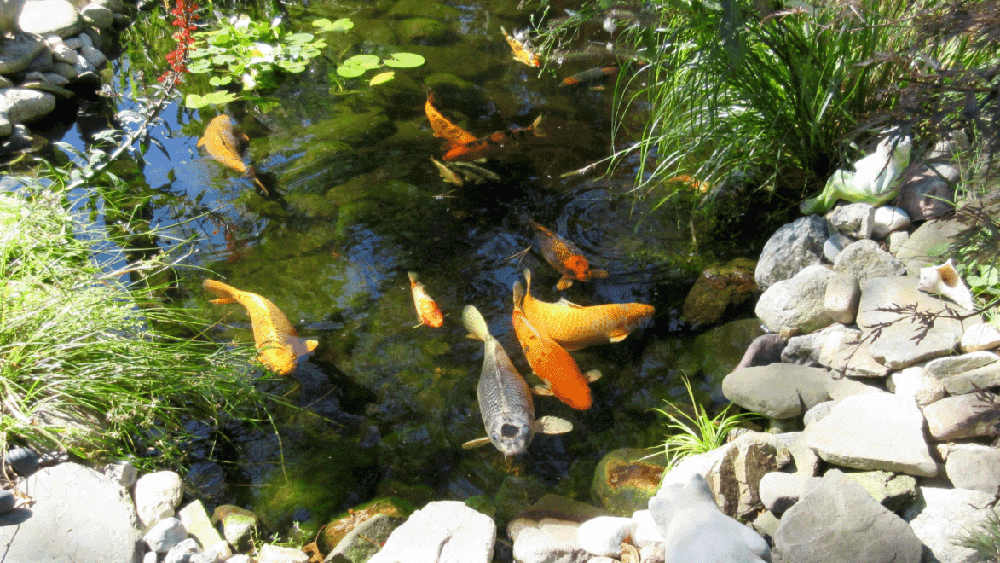
Koi wetlands tend to be more than just lovely water characteristics; they're complex ecosystems that require stability and care. One of the most critical components of maintaining a wholesome koi pool is a highly effective filter system. Without correct filter, the water quality may quickly degrade, leading to pressure, illness, and actually demise one of the fish. <!--td {border: 1px solid #cccccc;}br {mso-data-placement:same-cell;}-->koi pond filtration This informative article considers the fundamental components of koi pool filter, different types of filters, how they function, and most useful practices for maintaining apparent, healthy water for your koi.
The Importance of Filtration in Koi Ponds
Purification in a koi pool serves two main applications: physical filter and scientific filter.Technical filter removes dust such as leaves, fish spend, and uneaten food, while scientific filter handles deteriorating harmful ingredients like ammonia and nitrites, which are byproducts of fish metabolism.
Koi create a significant quantity of spend due to their size and eating habits. With out a effective filtration, ammonia degrees may spike rapidly. Valuable microorganisms are needed to convert ammonia into nitrites and then into less harmful nitrates in an activity known as the nitrogen period.A good filter helps that bacterial colony and assists keep a secure and secure marine environment.
Components of an Effective Koi Pond Filter System
- Skimmer: Mounted at the pond's edge, a skimmer brings in floor water, eliminating suspended dust before it basins to the bottom and decomposes.
- Bottom Drain: Located at the pond's lowest position, that removes weightier dust and assists keep excellent water circulation.
- Technical Filtration: Traps stable waste. Frequent types contain sieve filters, settlement chambers, and brush filters.
- Biological Filtration: Provides a habitat for useful microorganisms to colonize. That is where in actuality the water detoxification method occurs.
- UV Clarifier: Helps get a handle on algae roses by killing free-floating algae cells applying ultraviolet light.
- Push: Moves water through the filtration and back to the pond.
- Reunite Planes or Waterfalls: Aid in water motion and oxygenation, which can be critical for fish wellness and bacterial processes.
Types of Koi Pond Filters
1. Pressurized Filters
These are small and simple to install, making them ideal for small to moderate ponds. Water is forced through some physical and scientific media. Some contain integrated UV clarifiers.
Benefits: Simple maintenance, space-efficient
Disadvantages: May blockage quickly with large dust, confined capacity for large wetlands
2. Gravity-Fed Filters
These techniques rely on gravity to move water from the pool to the filter and then straight back again. They frequently use settlement tanks or vortex chambers to split up solids before water enters the scientific stage.
Benefits: Exceptional for big wetlands, power efficient
Disadvantages: More complicated installment, needs specific leveling
3. Multi-Chamber Filters
These consist of several split up chambers for various filter stages—physical, scientific, and sometimes chemical. They let greater customization and efficiency.
Benefits: Very effective, custom-made
Disadvantages: Heavy, may require professional startup
4. Going Sleep Filters
Utilize suspended filter press that constantly moves and is aerated. This encourages large surface colonization of microorganisms, well suited for scientific filtration.
Benefits: Self-cleaning somewhat, efficient scientific filter
Disadvantages: Technical pre-filtration is essential, wants aeration
Choosing the Right Filter System
When selecting a filter system for your koi pool, contemplate the following factors:
- Pond Size: Greater wetlands require better made systems. Generally size your filter for a lake at the very least 25% bigger than actual volume.
- Fish Fill: More fish suggest more waste. Overstocked wetlands require strong filtration.
- Budget: While simple techniques are available, purchasing a high-quality system saves long-term maintenance and wellness costs.
- Preservation Stage: Some filters are low-maintenance while the others require frequent cleaning. Pick based how much time you are able to commit.
Best Practices for Koi Pond Filtration
- Regular Preservation: Clean physical filters weekly or as needed. Biological press should not be scrubbed, only rinsed in pool water if absolutely necessary.
- Check Water Parameters: Check for ammonia, nitrite, nitrate, pH, and heat regularly. These metrics assist you to identify dilemmas early.
- Keep Appropriate Circulation: Make fully sure your pump and plumbing allow for full pool turnover one or more times every 1–2 hours.
- Don't Overfeed Koi: Surplus food decays and pollutes the water. Feed a couple of times per day in small amounts.
- Include Aeration: Air sends or waterfalls increase oxygen degrees, especially important during hot weather.
- Avoid Overcrowding: Too many fish may overcome actually the best filter systems. Hold a balanced rate of fish to water volume.
- Set up a Excellent Bacterial Colony: Use industrial bacterial additives when beginning a brand new system to accelerate the biking process.
Common Filtration Problems and Solutions
- Natural Water (Algae Bloom): Deploy or keep a UV clarifier and lower nutrient degrees through partial water changes and less feeding.
- Clogged Filters: Update physical filter or clear more frequently.
- Poor Smells: Indicate poor water quality—check ammonia degrees, clear filters, and improve aeration.
- Ammonia or Nitrite Spikes: May possibly result from overfeeding, poor maintenance, or new filter systems. Include useful microorganisms and accomplish water changes.
Conclusion
A koi pool is really a worthwhile passion, providing splendor and tranquility. However, to keep koi healthy and flourishing, correct filter is non-negotiable. Understanding the functions of various filters and maintaining your system zealously ensures apparent water, lively fish, and a balanced marine environment. Whether you're designing a brand new pool or improving a preexisting one, purchasing a high-quality koi pool filtration will pay down in long-term wellness and enjoyment.