The Surgical, Evolutionary, Aesthetic, and Psychological Dimensions of Nails in Contemporary Human Experience.
Abstract
This scientific-popular article examines the understudied yet increasingly relevant phenomenon of surgical nail removal in humans. Through biological, evolutionary, medical, psychological, and cultural analysis, the author investigates whether nails remain vital anatomical structures in modern life or have become vestigial remnants of our evolutionary past. The discussion encompasses tactile sensitivity, chronic pain, aesthetic standards, and personal autonomy in bodily identity. Parallels are drawn with other body modifications—from wisdom tooth extraction and circumcision to cosmetic surgeries and tattoos. Special attention is given to psychological dimensions: anxiety, perceptions of bodily integrity, social adaptation, and the unconscious symbolism of nails as markers of aggression and status. The conclusion posits that in the 21st century, nails are transitioning from anatomical givens to objects of conscious choice, redefining individual agency over the human form.
Keywords
Nails, surgical removal, atavism, evolution, tactile sensitivity, vestigial organs, human anatomy, cosmetic surgery, bodily identity, body psychology, anxiety, aggression, aesthetics, body modification, body culture, toenails, nail functionality, fingertip sensitivity, plastic surgery, bodily minimalism, biological adaptation, nail prosthetics, social norms, Botox, piercings, tattoos, foreskin, wisdom teeth, bodily autonomy.
Introduction
If you were asked to list useless parts of the human body, you might recall the appendix, wisdom teeth or the coccyx. But what if one of the main candidates for removal turned out to be something much more noticeable - nails? These tiny horny plates crowning our fingers seem so familiar that they rarely become objects of contemplation. We trim them, paint them, break them, sometimes bite them. But do we need them at all?
From an evolutionary perspective, nails are a legacy of our primate ancestors when the grasping function of limbs and finger protection were critical for survival. Today, in the era of smartphones, shoes and keyboards, their functional necessity raises questions. Especially since there exists a surgical procedure that allows permanent nail removal - not just extraction but complete cessation of growth. Initially used only for pathologies, this operation is increasingly discussed in cosmetic contexts too.
Why would modern humans need nails if they can get rid of them? Aren't they rudiments - atavistic reminders of a past we've long outgrown? And how would perception of the body, tactility, even personality change if we eliminated nails permanently? How does the psyche react to this, and what could replace lost functions? Metal rings? Artificial implants? Sensory prosthetics?
This article attempts to examine nails not as banal body parts but as biological, psychological and cultural phenomena. We'll explore their structure, evolution and functions, evaluate psychological aspects, learn about surgical removal and try to imagine a future without nails. Might something greater lie behind this forgotten organ?
Structure and Functions of Nails
At first glance, a nail may seem like a simple horny plate, but behind this apparent simplicity lies a complex biological structure. The nail represents a modified epidermal layer consisting of densely compressed keratin cells and includes several key components: the nail plate, nail bed, matrix, cuticle and perionychium.
The matrix, located under the skin at the nail's base, is the active growth zone. This is where new cells form, pushing old ones forward to lengthen the nail plate. The nail bed, which the plate constantly contacts, is richly supplied with capillaries and nerve endings. Thanks to this, nails perform not just protective but also sensory functions.
Historically, nails served important purposes for humans and ancestors - helping grasp, hold, scrape, and protect finger tips from damage. In primates, nails resulted from the evolutionary transition from claws to more refined grasping extremities. Fine motor skills essential for tool-making, writing or precise manipulations require not just muscular coordination but tactile feedback. The nail plate, pressed tightly against the bed, enhances fingertip sensitivity like an amplifier of perceived pressure.
Moreover, nails serve as indicators of overall health. Their shape, color and texture can signal vitamin deficiencies, anemia, or heart, liver and thyroid diseases. Thus they become not just tools but diagnostic markers.
Yet despite this complex architecture and multiple functions, in modern daily life nails lose their practical significance. Fingers, shielded by shoes and gloves, are better protected than ever in history. And most tasks requiring fine motor skills are easily performed with short or even absent nails. The question arises: how critical is their role today?
Nails in Evolutionary Context
To understand why humans have nails, we must turn to deep biological history. Distant mammalian ancestors had limbs ending in claws - useful for digging, hunting, gripping surfaces. About 60 million years ago during primate evolution, gradual transition from claws to nails began. This wasn't random but resulted from environmental pressures: with arboreal lifestyles, grasping movements and more precise finger coordination, claws became hindrances. Their place was taken by flattened, hard but not sharp nails.
Unlike claws, nails increase fingertip surface area, enhancing sensitivity and control. This advantage proved particularly important for species actively using fingers - for feeding, grooming, communication and object manipulation. Apes, especially great apes, use nails not as weapons but as parts of complex sensory apparatuses - cleaning fur, picking small objects, making delicate gestures.
With tool development, nails continued important functions: from auxiliary grasping to stabilizing force when scratching, pressing, polishing. But civilization's arrival changed their significance. Clothing, tools, processed surfaces reduced the role of body's natural adaptations. Humans increasingly rely on technological extensions rather than evolutionary constructions.
From this perspective, nails represent typical atavistic structures: still present but no longer playing their original key roles. Like human tails or body hair, they may persist as traces of the past without being necessary. This doesn't mean nails are entirely useless, but their role has shifted: from functional tools to aesthetic, cultural and psychological symbols.
Modern living conditions raise the question: have we reached a point where nails can not just be ignored but consciously eliminated?
Sensitivity and Tactile Feedback
One of nails' subtlest and least studied functions is their role in tactile sensitivity. Though nails themselves contain no nerve endings, their presence enhances touch perception through tight contact with the nerve-rich nail bed. This system operates on counterpressure principle: when fingertip touches a surface, the nail plate provides elastic counterforce, making signals clearer for the nervous system. Thus we perceive not just contact but its strength, shape, resistance.
Research shows nail removal, especially with nail bed destruction, leads to lasting finger sensitivity reduction. This could be compared to losing a "biological amplifier." Similarly, people lacking fingernails show reduced precision handling small objects by touch - with closed eyes or in darkness.
This confirms nails aren't just protection - they're part of a complex sensory system. Their absence causes not so much motor function loss as impoverishment of sensory experience. A similar situation occurs with knuckles: though not directly involved in tactile functions, their damage or callousing also reduces overall sensation quality.
Yet the question remains open: if sensitivity matters but nails have lost other functions, could replacements be created? Numerous technological solutions already exist: from tactile gloves to implantable microsensors. Future developments may include neural interfaces and artificial sensory surfaces. This opens possibilities for bodily editing, including removing biologically "obsolete" organs.
Thus nails remain paradoxical structures: they "do nothing" - yet do much. Their loss doesn't cause disability but noticeably alters interaction quality with the world. And this change, in turn, becomes a matter of conscious choice.
Psychology of Nails: Body, Aggression and Aesthetics
On the opposite pole lies aesthetic function. Modern culture transformed nails into visual image components. Manicures became acts of self-presentation, care, even art. Nails are modified - lengthened, colored, decorated. They communicate character, style, attention to detail. Missing nails, especially on hands, are perceived as physical deficiency or deviation causing anxiety and social distancing. Human eyes instantly notice absent habitual elements, even "unnecessary" ones.
An opposite reaction also exists - desire to eliminate nails. Some people experience persistent disgust toward their own or others' nails. In extreme cases, these are psychoneurological disorders like dysmorphophobia or body dissociation. Such individuals may view nails as foreign, anxiety-provoking structures disturbing "pure" body sensation. For them, surgical nail removal becomes psychological relief, akin to wisdom tooth extraction or ear reshaping.
Thus emerges the paradox: nails losing practical function gain psychoemotional significance. They become boundaries between body and society, between internal self-image and external perception. Their presence or absence affects self-esteem, behavior, communication.
This makes their necessity question not just anatomical or evolutionary but psychological. Therefore, each nail removal operation isn't just medical procedure but
an act of redefining one's corporeality and identity.
Cosmetic Surgery or Functional Correction? Nail Removal as Operation
Nail removal - especially surgical with nail bed destruction - occupies a strange position between medical necessity and aesthetic choice. In classical medicine, such interventions treat chronic fungal infections, deformations, pain syndromes, traumas or malignant nail plate growths. Here the goal is restoring function or eliminating health threats.
However, recent years show increasing requests for surgical nail removal without direct medical indications. Patients may seek nail removal for psychological, hygienic or aesthetic reasons. Some feel persistent disgust toward their nails, others want simplified body care. In these cases, the operation acquires cosmetic surgery traits - like nose reshaping, ear correction or tattoo removal.
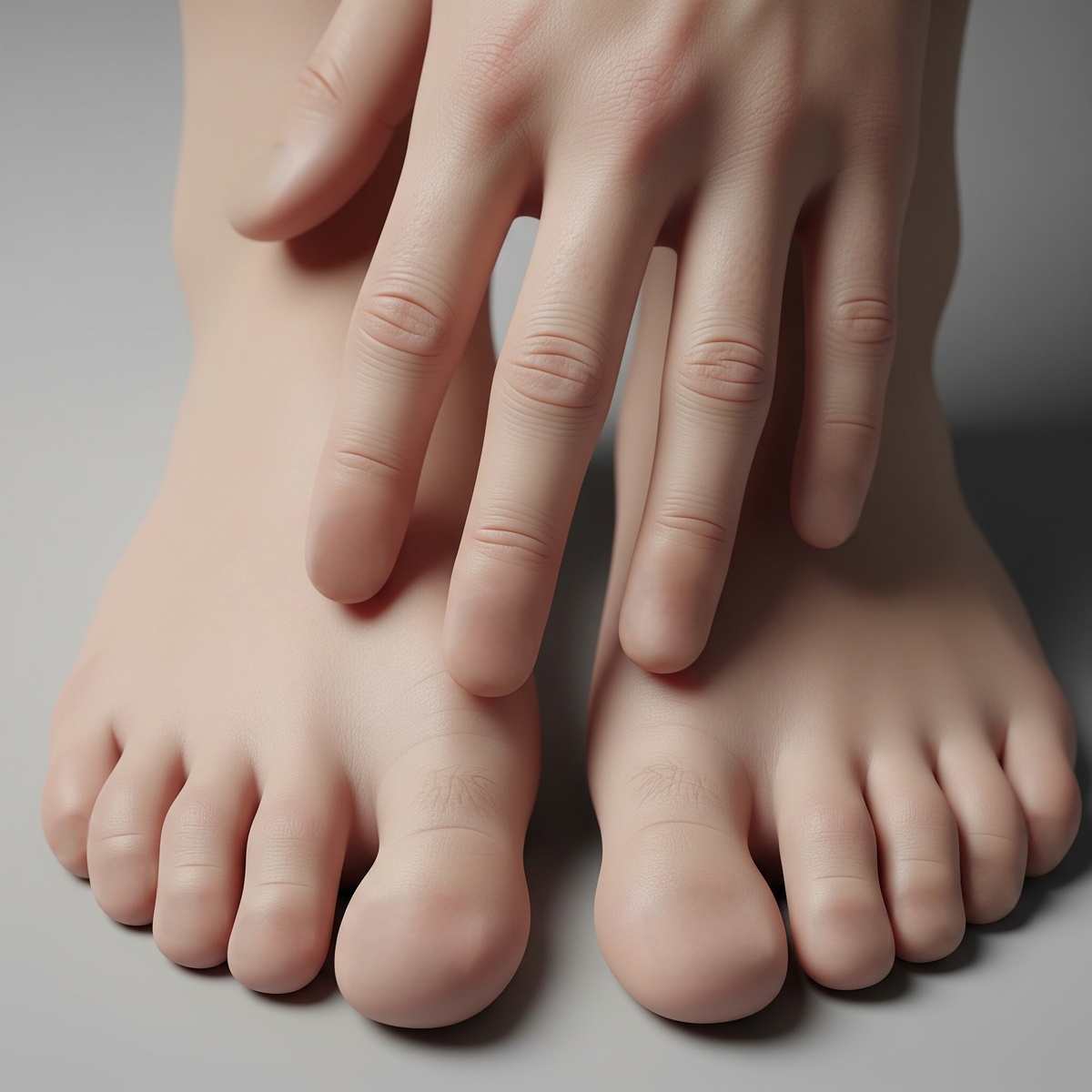
Standard procedure involves removing the nail plate and cauterizing the growth zone (matrix) to prevent regrowth. Recovery takes weeks to months, possibly involving reduced sensitivity and changed finger appearance. The phalanx looks visually "truncated," soft tissues may sag at edges. Some compare this to losing a miniature carapace that served not protection but architectural finger function.
Toenails are removed more often - they're less visible, frequently deformed by footwear, create care difficulties, and cause chronic fungal infections. Hand operations are rarer and usually involve subsequent prosthetics or aesthetic reconstruction.
This raises legal and ethical dilemmas: should such procedures be considered plastic surgeries requiring psychological evaluation, or remain under dermatology/podology? The answer depends on patient motivation. If nails are removed for comfort and hygiene restoration - that's one matter. If it's bodily modification as self-determination act - that's a philosophical question about body boundaries and acceptable forms.
Thus in the 21st century, surgical nail removal ceases being marginal intervention. It becomes part of a broader trend - managing the body as a project where biology submits to desire, meaning and aesthetics.
Nail Removal Among Bodily Modifications: Between Medicine, Culture and Choice
Nail removal as a surgical practice turns out to be part of a much broader phenomenon: body editing. There are many procedures straddling the line between treatment and modification, and it is with these that this operation can properly be compared. Classic examples include wisdom tooth extraction, appendectomy, circumcision (removal of foreskin), as well as injectable procedures like Botox or fillers. Each carries a complex of biological, cultural and psychological factors.
Wisdom tooth removal is most often performed preventively: they may interfere with bite, cause inflammation, yet are removed from millions without clear pathologies. This has become routine, socially and clinically acceptable. The appendix - a vestigial organ whose emergency removal saves lives, while its non-inflamed state remains debated: remove preemptively or wait for complications? Here biological uselessness competes with potential immune system function.
Comparison with circumcision proves particularly interesting. This operation involving body part removal is performed in many cultures without medical indications. Yet it's considered "natural" despite having pain and sensory consequences. Debates surround not just physiology but human rights, cultural norms, child autonomy.
Moving to the aesthetic plane - tattoos, piercings, Botox and fillers - here body modification becomes an act of expression subordinated to aesthetics and social self-presentation. Botulinum toxin injections weaken facial expressions, reducing wrinkle prominence but also affecting emotional expressiveness. Fillers change facial features without affecting function yet transform self-perception. Piercings and tattoos involve pain and risk but are viewed as identity forms, declarations of inner self through outer shell.
Nail removal, especially on hands, stands between these worlds. It may be motivated by discomfort, hygiene, aesthetic ideals or pursuit of "bodily silence," eliminating unnecessary details. Yet it lacks cultural legitimacy - not sanctified by tradition, lacking mass adoption, not incorporated into routine. This makes it something "unusual," nearly tabooed, despite technical simplicity.
Thus the question lies not so much in nail function but in context: where runs the boundary of permissible modification? What distinguishes medical necessity from cultural ritual, and cultural norm from individual choice? There are no answers - only the dynamics of body as project increasingly governed by desires and ideas rather than anatomy and instincts.
Alternatives: Artificial Nails, Prosthetics and Biodesign
When nails as biological structures become undesirable, superfluous or lost, the question arises: is replacement needed? Here begins space for engineering and design solutions - from purely aesthetic to functional.
The first obvious path is artificial nails. Millions already use acrylic and gel coatings creating pseudo-nails of arbitrary shape, length and color. But in context of nail removal as organ excision, we speak not of temporary cosmetics but prosthetics. Such solutions could be compared to dental veneers or prosthetic ear shells. These aren't just decorative layers but attempts to restore body integrity sensation, if only formally, through material.
Some users report unusual tactile sensations after nail removal - for example when pressing fingertips against hard surfaces. Nails provided not just protection but a rigid base transmitting vibrations. Lacking this foundation may cause a "void" sensation, akin to feeling a missing tooth even after gum healing. Ring-shaped plastic or metal prosthetics could partially compensate - not just visually but tactilely.
A more complex path is bioengineering. Theoretically, synthetic coatings with nail-like sensitivity could be developed. Such materials might incorporate piezoelectric elements or pressure sensors enhancing finger sensory feedback. While still speculative, beginnings exist in neurointerface and flexible electronics fields.
Another approach is complete acceptance of new anatomy. Some patients consciously seek no nail replacement. This "bodily minimalism" philosophy - leaving fingers as they become and restructuring daily habits. Here the boundary between medicine and philosophy blurs again: nail absence becomes part of new bodily identity.
Thus nail alternatives aren't necessarily "new nails." They may be something else - symbolic, sensory or technological. In this sense surgery initiates dialogue between body, technology and self-awareness where organs are replaced by concepts.
Evolutionary Role of Nails: From Trees to Keyboards
Nails are evolutionary atavisms (relics), echoes of mammals' and primates' ancient past. For our distant ancestors they were tools for climbing, grasping, digging, protection and crude object handling. With development of manipulative hand functions, nails evolved into flat keratin plates replacing claws in anthropoid apes. This provided advantages in precise movements and grip - nails became stabilizing supports for fingertips enabling work with small objects.
Over time, human nail functions transformed. No longer needing to dig for roots or climb trees, nails gradually lost many original purposes yet remained as tactile support and auxiliary structures. They stabilize fingertip soft tissues, shape and direct movement, participate in fine motor skills.
However with tool and technology development, nail roles become increasingly mediated. We use pens, keyboards, screens, sensors, while physical environmental contact grows more sterile. In this context nail roles become nearly decorative. Moreover, they grow vulnerable in modern life: breaking, cracking, requiring care, potentially becoming infection sources.
A paradoxical question arises: are they needed at all? Or does their preservation merely pay tribute to tradition and biological inertia? Just as the spinal tail section forms the coccyx without tail function, perhaps nails are anatomical "ghosts" - atavisms needed only for symmetry and appearance completeness.
Modern technologies gradually offer alternatives. Virtual interfaces, voice control, neural interfaces - all may make manual world interaction optional. Nails as touch-implementing finger parts could become archaic details like spikes on vestigial bones.
Thus biologically nails remain in anatomy, but functionally grow increasingly unnecessary. This doesn't render them useless but relegates them to secondary structures: modifiable, removable, replaceable without losing
either thinking capacity or world interaction ability.
Psychology of Nails: Perception, Disgust, Aggression and Control
Interestingly, long nails often associate with demonstrativeness and potential threat. Unsurprisingly, claws are universal aggression symbols in nature. Even in human culture, women's (or more rarely men's) long sharp nails may evoke ambivalent feelings: admiration, sexual attraction and threat mixed. Conversely, absent nails - especially from surgical intervention - may provoke disgust or pity, activating same neural pathways as responses to trauma or illness.
Nail shape can shape impressions of strength/weakness, health/neglect, normality/pathology. For instance, dirty or deformed nails often provoke strong emotional reactions. This concerns not just hygiene but how brains respond to potential illness signals - nails serve as internal state "indicators."
Conscious, irreversible nail removal enters cultural and psychological taboo territory. This resembles amputating something "normal," albeit secondary. Here comparisons to appendix or wisdom tooth removal fail - those are hidden internally. Nails are visible, their absence erasing visible body-environment boundaries.
Some patients describe complex post-removal sensations: from surprise and relief to fear, vulnerability and even desire to "restore." Psychological adaptation depends on context: was it liberation act, medical necessity or extreme aesthetic practice?
Thus nails aren't just finger plates. They're parts of psychological body image. Their presence or absence can alter self/other perception, be control/aggression sources, provoke disgust or admiration. This makes them not just biological but cultural, psycho-aesthetic organs.
Nail Removal: Surgical Procedure and Consequences
Modern surgery offers various nail removal methods - from temporary partial to complete irreversible nail bed excision. Unlike ripping out (associated with severe pain and torture), planned surgical removal uses local anesthesia, precise tools and antiseptic treatment. Intervention purposes vary - from treating chronic onychomycosis, ingrown nails and trauma to cosmetic or even philosophical decisions rejecting "superfluous" body elements.
After removal, skin formerly beneath the plate remains unprotected. Its sensitivity increases initially, but adaptation typically reduces it - like on knuckles. This adaptation is physiological compromise: skin thickens, receptors partially suppress, the body learns living without habitual protection. However, initial weeks may involve soreness, contact discomfort and infection risk. During healing, people acquire new environmental interaction modes - more tactile but potentially less precise.
A major consequence is changed finger shape perception. Without nails, phalanges appear shorter, rounder, more "infantile." Some patients describe this as "incompleteness," others as aesthetic liberation. Nail-less fingers disrupt hand/foot symmetry, requiring either internal acceptance or external compensation.
Aesthetically, removed nails may be replaced by artificial plates - metal, plastic or silicone "rings." These serve more decorative than functional roles yet psychologically soften loss perception. They may attach to skin, fix to surrounding tissues or even implant. Some designers experiment with this as biomodding, blurring medical necessity and artistic body expression.
Toenail removal occurs more frequently - especially for recurrent ingrown nails. Here necessity questions grow sharper. Toes don't participate in fine motor skills, while nails' protective shield function loses meaning in footwear. Patients often perceive absent toenails as relief: less pain, fewer injury risks, reduced maintenance. Cosmetic aspects remain but matter less in closed shoes.
Crucially, nail removal isn't just medical procedure but philosophical body modification decision. It straddles therapy, cosmetics and modification boundaries. In this sense it compares to practices like circumcision, wisdom tooth extraction, appendectomy, piercings, tattoos or filler injections - interventions intersecting biology, culture, personal choice and norm perception.
Nails as Atavism: Necessary Organ or Biological Absurdity?
Throughout evolution, the human body underwent numerous adaptations to new environments, behaviors and activity types. Among controversial anatomical vestiges remain nails. Their origins trace to mammalian evolutionary history where nail/claw structures served grasping, protection, digging, self-defense and even social display functions. But since humans stood upright, took up tools and wore shoes, nails' functional load gradually diminished.
Fingernails still perform limited tasks - protecting fingertips, increasing grip precision, stabilizing writing/drawing/small object handling motions. Yet none prove critically essential. Losing nails, especially when compensated by gloves, tools or visual prosthetics, doesn't disable work capacity or social adaptation. Conversely, in some cases nail absence reduces trauma, hygiene issues and even increases sensitivity, making fingers more "open" to tactile experience.
Toenails present an even sharper atavism question. Support and balance functions long transferred to foot muscles and bone structures, while nails lost protective meaning amid constant footwear use. Instead, toenails became chronic problem sources: ingrowth, fungal infections, aesthetic discomfort, pain from shoe deformations. From this perspective, surgical removal may be viewed not as mutilation but evolutionarily justified atavism elimination.
Modern science considers vestigial those organs losing primary function without substantially affecting survival - like appendix, coccyx or wisdom teeth. Nails, especially toenails, fit this category perfectly. They persist more by inertia than necessity. Meanwhile their symbolic significance conversely grows - from beauty and neatness signs to style weapons and protest statements.
One might ask: if nails were modern bioengineering inventions, would we install them on fingers/toes knowing all potential drawbacks? The answer isn't obvious. Perhaps we'd reject them or offer them as optional features. From this viewpoint, surgical nail removal isn't regression but progression toward new body imagery free from biological traces of the past.
Cosmetics or Surgery: Where Lies the Boundary?
Modern medicine increasingly blurs the line between treatment and aesthetics. Procedures once considered strictly therapeutic are now performed more frequently at patient request, guided not by medical necessity but by subjective notions of comfort, beauty and identity. In this context, nail removal - particularly complete and permanent - takes on characteristics of cosmetic procedures like rhinoplasty, filler injections or mole removal.
Yet formally these operations remain classified as medical. They require sterile conditions, surgical expertise, anesthesia and aftercare. The intervention affects living tissue, involves nerve endings and blood vessels, and creates new anatomical conditions for fingers. But in terms of patient motivation and final outcome, such procedures resemble body modification more than medical treatment.
The parallel with wisdom tooth extraction or appendectomy is telling. These organs are typically removed not due to immediate threats but because of high probability of future problems. Similarly with nails: removal may address not specific illness but chronic inconvenience, fear of recurrence, aesthetic dislike or pursuit of a "smoother" body. Thus both motivation and consequences carry philosophical-aesthetic rather than medical character.
The psychological dimension of such decisions is often underestimated. Some patients experience relief and liberation comparable to removing scars or tattoos from unwanted life periods. Others encounter "phantom nail" sensations - feeling something's missing despite absence of pain. Bodily changes affect self-image, presentation and social interactions, particularly in cultures where nails (especially women's) signify status, grooming and even sexuality.
This uncertain territory creates new dialogue space between surgeons, psychologists, philosophers and body designers. Where exactly runs the boundary between necessary and desired? Does one have the right to voluntarily discard body parts no longer needed - even if they cause no pain? Could this become a new trend in personalized future medicine where bodies aren't just treated but reprogrammed?
Psychology of Nails: Aggression, Protection and Body Perception
Surgical nail removal can disrupt this delicate body perception balance. For some patients it brings relief - eliminating triggers, anxieties about nail appearance or damage fears. Others may develop inadequacy feelings, loss sensations, "bodily emptiness" - especially if others react negatively. Visually altered fingers might seem "claw-less" or "not quite human," distorting social feedback and self-perception.
Conversely, when fully self-approved and understood, such operations can provide psychological liberation akin to voluntary body modifications. Relevant parallels include tattoos, piercings, finger phalanx removal (in radical subcultures), transgender surgeries or cosmetic corrections from Botox to rhinoplasty. In all cases, the body becomes subject to subjective reconstruction where "normality" matters less than comfort, identity and inner freedom.
Thus nails constitute not just biological details but complex nodes connecting body, psyche and society. Removing them alters not just anatomy but self-perception structures. That's why such procedures require not just medical but psychological preparation, motivation analysis, support and postoperative adaptation.
Artificial Nails and Technological Replacements: Bionics, Aesthetics and Prosthetics
When nails are lost - whether through injury, illness or deliberate surgical removal - the question arises: should they be replaced? And if so, with what? At first glance the answer seems obvious: artificial nails have long been part of aesthetic cosmetology. But complete removal of natural nails including matrices complicates matters beyond ordinary manicures.
Here prosthetic concepts become paramount. Some patients, particularly post-oncological or orthopedic interventions, already use nail prosthetics - flexible silicone covers, polymer caps or rigid plastic/titanium "rings" replicating nail appearance. These attach via adhesives, circumferential finger fixation or even soft-tissue-embedded implantation.
Unlike cosmetic overlays, such prosthetics can functionally protect fingertips from injury and abrasion, especially for manual workers. Theoretically, bionic nails could be developed - with pressure/temperature sensors, tactile feedback enhancing sensitivity or enabling touchscreen interaction. This would transcend mere replacement to bodily enhancement - a transhumanist approach.
Aesthetic function remains equally important. Missing nails - especially on hands - still evoke "incomplete" or "damaged" body sensations. Hence strong demand for visual compensation persists. Some patients tattoo former nail areas to resemble plates, while others use coloring and artificial elements mimicking natural forms.
The very notion of artificial, technological nail replacement reflects shifting body perceptions. Like dental implants or contact lenses, artificiality sheds negative connotations to symbolize choice and bodily control. In this context, nails become modules - removable, adaptable, programmable. This approach may well define coming medicine.
Toenails: Biological Irrelevance and Cultural Inertia
While fingernails retain residual functionality - fine manipulation, fingertip protection, psychomotor expression - toenails increasingly appear completely vestigial. Their physiological role approaches zero in modern lifestyles. Evolutionarily, toenails were shortened claws providing climbing grip and balancing assistance. But upright posture and footwear rapidly diminished their importance.
Modern shoes assume full protective functions while themselves causing nail problems: ingrowth, fungal infections, pressure injuries, deformations. Toenails become pain sources, aesthetic nuisances requiring regular care. For elderly or diabetic patients with circulation issues, they pose high infection and ulceration risks. Hence podiatrists increasingly consider radical preventive approaches - complete toenail plate removal.
Tactilely, toes lack fingers' sensitivity. Nail removal causes minimal feedback reduction - especially with soft tissue preservation. Long-term, most patients adapt without functional deficit.
Culturally however, toenail persistence reflects normative tradition - hygiene rituals, pedicure aesthetics and bodily integrity notions. This cultural inertia, not biological need, prevents their abandonment. In modern civilization, toenails become atavisms sustained by social convention and fear of radical body modification.
Should personalized medicine and bodily autonomy trends continue, we may witness toenail removal becoming standard practice within generations - like wisdom tooth extraction or preventive appendectomy.
Indications, Age and Gender: Who Should Consider Nail Removal and When
Despite seeming eccentricity, surgical nail removal remains primarily a medical procedure requiring clear understanding of indications, limitations and rationale. It proves most appropriate when chronic physical discomfort, aesthetic distress and long-term conservative care impossibility intersect.
Clinically, removal is most recommended for recurrent onychocryptosis (ingrown nails), especially on big toes when orthotic or podiatric methods fail. Other indications include treatment-resistant onychomycosis, severe nail plate deformations, nail bed trauma, persistent hyperkeratotic or painful pathologies impairing life quality.
Preventive removal deserves separate consideration for elderly patients or those with diabetes, foot circulatory disorders, reduced sensitivity and high ulcer/infection risks. Here removal may prevent dangerous complications including phalangeal amputation or gangrene.
The optimal age range for elective removal varies, but adulthood (25+ years) is preferred when anatomy stabilizes and social/psychological motivations (including conscious aesthetic choices) clarify. Pediatric procedures remain extremely rare, performed only for absolute medical indications.
Gender statistics remain insufficient, but trends suggest women more frequently consider removal for aesthetic correction or care ritual liberation - particularly when pedicures cause pain or stress. Men more often cite sports injuries, functional discomfort or chronic inflammation.
Thus the strongest justification occurs: with persistent nail pain/deformation; for those with foot circulatory impairment; elderly patients with nail care difficulties; adults consciously rejecting toenails for aesthetic, hygienic or neurosensory reasons.
The Psychology of Nails: Identity and Anxiety
From childhood, people grow accustomed to nails as a bodily norm. Their shape, length, and color become part of one’s visual self-portrait. For women especially, nails often symbolize order, attractiveness, even dignity. Manicures and pedicures form care rituals that approach cultural rites. This leads to psychological anxiety arising even from minor defects—a broken nail, a crack, or inflammation can trigger disproportionate inner discomfort. It’s a boundary anxiety—as if the body’s "covering," its protective shell, has been breached.
For some, nails serve as tools for unconscious emotional expression. Nail-biting (onychophagia) often manifests anxiety disorders, stress, or an unconscious attempt at control. Others, in moments of agitation, unconsciously touch, scratch, or chip their polish—all signs of an affective connection to nails as channels for emotional regulation.
Nail removal, especially voluntary, is not just a physiological but a psychological boundary. It can be seen as liberation from aesthetic rituals, a rejection of an anxiety-inducing element, or a transformation of the body and personal history. Some patients report feelings of "relief," "simplicity," and "completeness"—as if something superfluous, long a source of hidden tension, has disappeared. Others, however, may experience discomfort, a sense of losing part of themselves, a visual or tactile void.
Cultural and gender expectations play a crucial role. In cultures where well-groomed nails symbolize status or femininity, their loss may be perceived as identity destruction. This requires psychological preparation and post-operative adaptation comparable to experiences after cosmetic surgeries, tattoos, or even breast removal.
Thus, nails are not just keratin plates but psychological anchors connecting the body and the self-image. Their removal is a step beyond medicine, touching on body symbolism, personal boundaries, and deep layers of self-perception.
Aggression, Control, and the Unconscious Signals of Nails
Beyond identity and anxiety, nails carry symbolism tied to dominance, control, and the expression of hidden aggression. Historically, claws and sharp nails have been associated with predation, defense, and displays of power. Even in human culture, long, deliberately sharpened nails can be read as markers of superiority, status, or distance from manual labor.
In daily life, nail-involving gestures—scratching, tapping, clenching fists—often emerge in moments of tension. Their unconscious meaning ranges from self-defense to nonverbal assertions of authority. Even the absence of nails or deviations from their classic form can evoke vague unease in others, a sense of "incorrectness," a breach of unspoken visual codes.
In this context, nail removal is paradoxical: it can become an act of eliminating external aggression, nullifying signals of strength, turning fingers into neutral structures resembling animal paw pads. This choice may stem from a desire for bodily "softness" or an internal protest against social appearance norms.
Nails as Aesthetic and Cultural Bodies
In the modern world, nails have become canvases for fashion, design, and self-expression. The manicure and pedicure industry is not just about care but a whole language through which people convey taste, status, aesthetics, and belonging. Nails participate in creating a "secondary body"—a cultural construct layered over the biological organism. Their removal is a gesture opposite to extensions, adornment, decoration—not just rejecting a body part but an entire stratum of cultural coding.
Like other voluntary procedures (circumcision, wisdom tooth extraction, tattoos, or piercings), surgical nail removal can be a conscious bodily intervention for liberation from pain, aesthetic burdens, or a desire for radical minimalism. It straddles the line between medicine and body philosophy—an intervention questioning the very necessity of an anatomical element once deemed obligatory.
Conclusion: Nails in the Context of Human Body Transformation
Surgical nail removal raises questions extending far beyond dermatology. It touches on evolutionary roots, anatomical rationality, cultural traditions, and psychological experiences. In a society where the body increasingly becomes an object of modification, minimization, and aesthetic revision, nails are a prime candidate for reconsideration.
Do modern humans need nails? Biomechanically—barely. Aesthetically—subjectively. Psychologically—profoundly, but malleably. In this sense, nail removal becomes not pathology but a phenomenon that may soon shed its marginal status. Like other body-optimizing procedures, it reflects how humans increasingly decide what aspects of their nature to keep and what to discard as evolutionary baggage.
Final Conclusion
The question of nails’ role in modern life transcends narrow medical or aesthetic frameworks. Nails exist at the intersection of multiple dimensions—biological, evolutionary, psychological, social, and cultural. In each, their significance gradually erodes or is outright questioned.
Evolutionarily, nails are vestigial organs inherited from primate ancestors, once crucial for grasping and survival. Yet with claws obsolete and tool-use dominant, their practical function has faded, yielding to decorative and social roles. Medically, they can cause chronic discomfort, injuries, infections, and maintenance burdens—especially on feet, where functionality vanishes. Surgical removal thus becomes not mutilation but adaptation, freeing individuals from persistent suffering.
Psychologically, nails play subtler roles. They integrate into bodily identity, becoming objects of anxiety, control, and self-expression. People adorn, conceal, groom, and fear losing them. Removal can feel like personal transformation—for some, liberation from aesthetic pressures; for others, loss of part of their visual and physical "self." Reactions range from relief and bodily "simplification" to anxiety, inner void, and identity recalibration.
Socially and culturally, nails long ceased being mere anatomy. They became fashion elements, status markers, symbolic language—particularly in feminine identity. Surgical removal thus transcends ordinary operations, becoming a radical rejection of cultural norms, akin to abandoning makeup, hair, or jewelry. Yet as bodily autonomy gains respect, such acts may be reinterpreted as assertions of strength, freedom, and self-redefinition.
Philosophically, nails become matters of choice. Like wisdom teeth, appendices, or extreme cosmetic modifications, they prompt the question: Must we preserve everything nature gave us? Or may modern humans curate their bodies, keeping only what holds meaning?
The conclusion is clear: nails are no longer medical inevitabilities. They are becoming choices. That some already opt for complete removal signals growing awareness of the body as a space for constructive editing, minimalism, and liberation. Surgical nail removal is neither trend nor extremism, but a new chapter in human anatomy’s history—where bodily control becomes an act of intellect, psychology, and personal philosophy.