In the modern world, advertisements are everywhere—from billboards and television screens to social media feeds and search engine results. Their constant presence shapes the way people think, act, and make decisions. While advertisements primarily aim to promote products and services, their influence extends far beyond consumerism. They shape cultural norms, social behaviors, and even personal identities. In this article, I explore how Gillette's advertising campaigns redefined the female beauty industry.
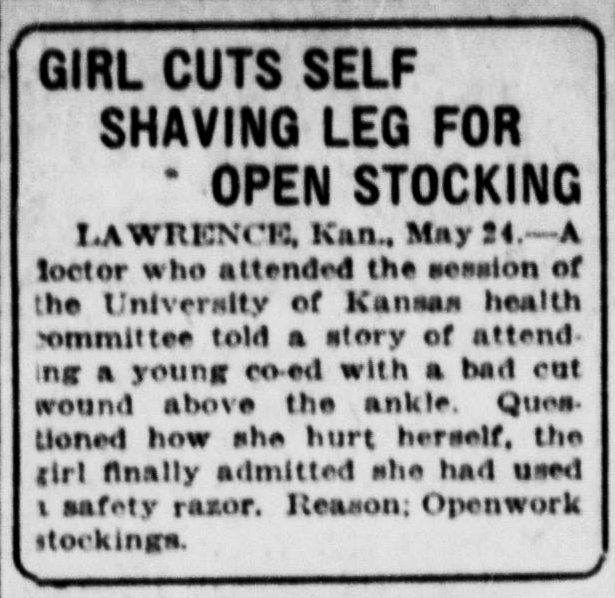
At the beginning of the 20th century, it was unusual for women to shave their legs. In 1920, when a young woman cut her leg while shaving, it wasn't just an accident—it made national news because the act itself was so uncommon.
By the beginning of 1950 vast majority of woman in usa started to shave their legs and armpits in order to a new norm. So how beauty industry changed so fast?
The best research blames a sustained advertising campaigns to change the way women groomed.
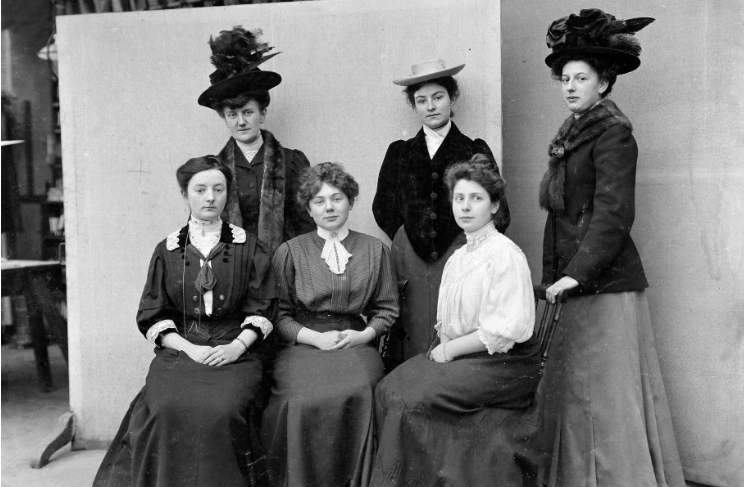
As the 20th century began, women didn’t care if they had leg or underarm hair, and it shows in the beauty guides, ads, and fashion of the time. Clothes were so concealing that it was rare to see bare legs or underarms, so removing hair there wasn’t an issue. Before the 1910s, depilatories for those areas were used primarily by actresses or dancers, or for surgery.
1915: Gilette targeted armpits
According to the survey of Gilette ads in old Harper’s Bazaar and McCall’s magazines, a shift began in 1915 when advertisers in Harper’s Bazar started to target underarm hair.
Women’s fashion had begun transitioning from 19th-century-era buttoned-up & closed collars and conservative gowns to more casual sleeveless dresses for dancing (which was a rage) and going outside. A new trend in sleeveless dresses, often inspired by Greek and Roman clothing, exposed women’s previously covered arms. That, of course, led the depilatory industry to conclude that underarm hair was undesirable.
Gillette came out with the first women’s razor in 1915 and began to take advantage of the advertising opportunity offered by more exposed skin.
This typical quote from a contemporaneous ad campaign says it all:
“The Woman of Fashion Says the underarm must be as smooth as the face”
The appeals were largely based on fashion, but they also told women what they should do to look fashionable (remove their underarm hair). Safety razors also got into the mix. As Gillette claimed in a typical 1917 ad:
“Milady Decolette is the dainty little Gillette used by the well-groomed woman to keep the underarm white and smooth.”
1920: Gilette targets legs
In the Roaring ‘20s, hemlines rise and the hair-removal industry targets legs.
The Roaring Twenties brought another fashion revolution — shorter hemlines that exposed women’s legs. Once again, advertisers were ready. Depilatory companies promoted their products as essential for women who wanted to wear stockings less often, claiming their creams and razors allowed women to “bathe stockingless, without self-consciousness.”
In the ‘50s, bare legs become the norm
Initially, hair removal seemed like a seasonal trend, with ads appearing mostly in summer months. However, by the 1930s and 1940s, the practice became year-round. Magazines like Harper’s Bazaar openly shamed women who didn’t shave, with statements like:
“If we were dean of women, we’d levy a demerit on every hairy leg on campus.”
By the 1950s, hairless legs and underarms were the norm. A 1964 survey found that 98% of American women aged 15 to 44 removed some body hair regularly.
Did Advertising Create the Beauty Standard, or Just Reflect It?
The question remains: Did Gillette’s ads force women into shaving, or did they simply capitalize on existing trends? Some argue that fashion changes naturally exposed areas that were previously hidden, making hair removal a logical next step. Others point to the instructional tone of early ads, which didn’t just suggest but dictated what was socially acceptable.
One thing is certain: In 1920, a woman shaving her legs was newsworthy. By the 1950s, a woman not shaving was the anomaly. Gillette’s campaigns played a crucial role in this transformation, proving that advertising doesn’t just sell products — it shapes culture.
The Lasting Impact of Advertising on Beauty Norms
Gillette’s early 20th-century campaigns demonstrate the power of advertising to redefine beauty standards. What began as a marketing strategy became a societal expectation, influencing generations of women. Today, the debate over body hair continues, with some rejecting traditional norms and others adhering to them. Yet the legacy of these early ads remains, reminding us that the beauty industry doesn’t just respond to trends — it creates them.
As consumers, it’s important to recognize how advertising shapes our perceptions. Whether we embrace or challenge these standards, understanding their origins helps us make more informed choices about our own bodies and identities.