Be selective: Choosing high-quality vitamins and supplements involves more than just grabbing the first bottle you see.

In this post, you will learn about choosing high-quality vitamins and supplements for better health.
It will cover how to pick products with natural ingredients and why it's important to avoid ones with unnecessary fillers or fake additives.
The post will also guide you on how to ensure the products are safe by looking for certain certifications and tests.
According to the health and research website FoodNourish, there are 10 key things you need to observe when buying supplements to ensure that you are getting the best.
This information will help you make smart choices in the big market of vitamins and supplements.
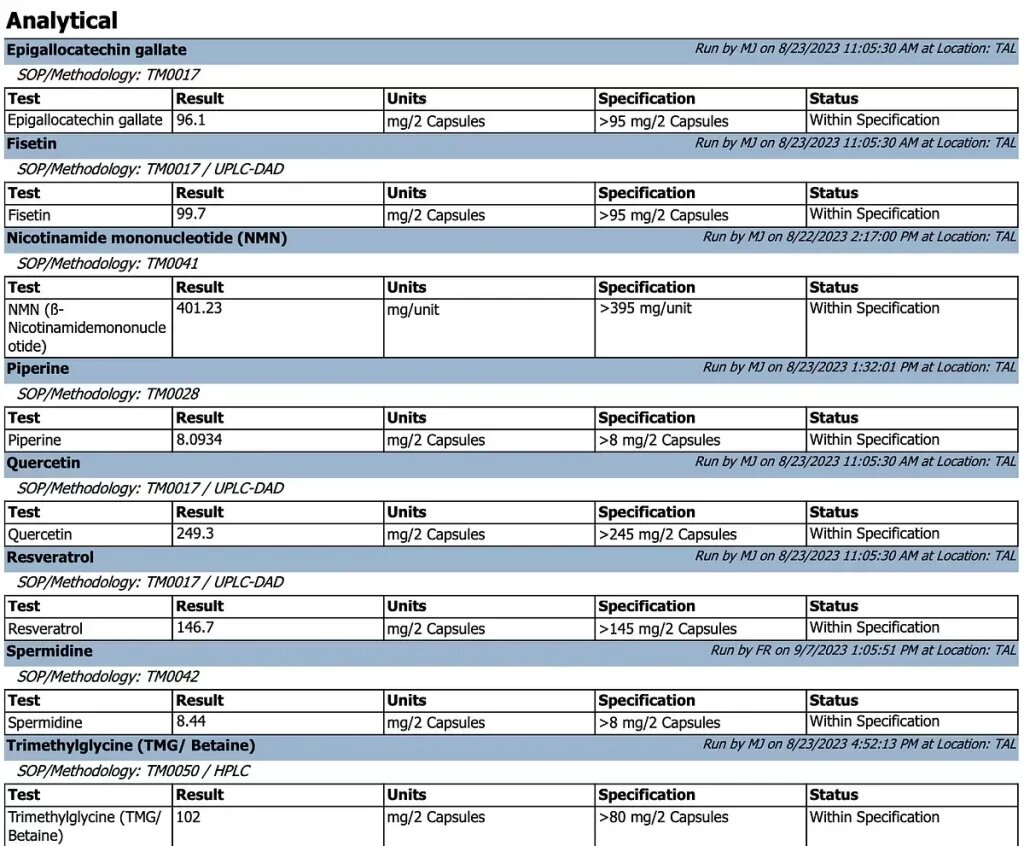
1. Prioritize Third-Party Testing
When you're choosing supplements, it's really important to go for ones that have been checked out by an independent lab.
This means that someone outside the company has tested the product to make sure it actually contains what it says on the label, and doesn't have any "nasty" surprises like contaminants or ingredients they haven't told you about.
I think we all agree that we've a right to know exactly what we're putting into our bodies, don't we?
So, don't settle for anything less than full honesty about what's in the supplements you're taking.
The best brands out there are completely open about how they make their products and where their ingredients come from, because they've got nothing to hide.
2. Seek Natural Ingredient Sources
When you're looking for supplements, it's a good idea to choose ones made from natural ingredients. These tend to be purer than synthetic alternatives.
You'll want to steer clear of the fillers, artificial colors, and preservatives that can come with non-natural options.
By going for natural sources, you're not just getting better absorption of nutrients; you're also lowering the chances of contaminants that can come with heavily processed supplements.
3. Evaluate Bioavailability
You know, when you're picking out supplements, there's one thing you really need to pay attention to: bioavailability.
It sounds like a fancy word, but all it means is how well your body can actually use the nutrients in the supplement.
If a supplement has low bioavailability, you're basically wasting your money because your body isn't going to absorb much of it.
So, what can you do?
Well, look for supplements that have special ingredients to help with absorption.
Things like liposomal or sucrosomial forms are great for this.
It's also a good idea to pair nutrients together that work well, like CoQ10 and Vitamin E. They kind of help each other out, you know?
Another tip is to go for ingredients that come from natural sources and haven't been processed too much. These tend to be easier for your body to use.
4. Avoid Supplements With Fillers and Proprietary Blends
When you're looking for supplements, it's good to be cautious about fillers and proprietary blends.
These can make it really hard to tell what's actually in the product. By choosing supplements without these unclear ingredients, you can be sure that you're getting only the good stuff that will help you reach your health goals.
It's best to go for supplements that are upfront about what's inside.
5. Consider Dosage
Understanding how much of each supplement to take and when to take them is really important for making sure they work well and are safe for you.
It's all about getting the best health benefits without having too much. Just remember, those Recommended Dietary Intakes (RDIs) you hear about? They're just the bare minimum, not necessarily the best amount for you.
Take Vitamin C for example - the RDI might be 60 mg, but you might need more to feel your best.
6. Choose Reputable Brands
When you're picking out supplements, it's really important to go with brands that have a good reputation.
These are the companies that have been around for a while, showing that they're serious about making top-notch products that are both high in quality and safe for you to use.
By choosing supplements from these kinds of companies, especially those that are open about how they do business, you're more likely to get something that's been made following really strict rules.
To make sure you're choosing the right brands, take some time to look up reviews and find out what the company's values are.
This way, you can get a good idea of whether their products are up to scratch and if they're reliable.
7. Investigate Manufacturing Location
When you're shopping for supplements, it's smart to check where they're made. This isn't just about being "patriotic" - it's about making sure they're safe and good quality.
Supplements made in places with strict regulations are usually better and safer. If the label just says something general like "Made in the EU," you might want to look into it more.
According to Nutritional Outlook, countries like Japan, South Korea, China, and those in the EU enforce some of the most stringent regulations regarding supplement manufacturing.
Knowing where your supplements come from can put your mind at ease and help you make a smart choice.
8. Look for Standardized Extracts
So, you might be wondering why standardization is a big deal when it comes to herbal supplements.
Well, it's pretty simple. When a supplement is standardized, it means you're getting the same amount of the good stuff every time you buy it.
This way, you don't have to worry about one batch being stronger or weaker than the next.
Think about it like this: if you're taking something for your health, you want to know that it's going to work the same way each time, right?
With standardized extracts, that's exactly what you get. It's like having a recipe that turns out perfect every time because the ingredients are always measured just right.
And here's another thing: when scientists study these supplements, they use the standardized versions.
This means there's solid evidence backing up their safety and how well they work. It's all about giving you peace of mind and helping you make choices about your health with total confidence.
Recommended Brands
After learning about how important it's to have standardized extracts in herbal supplements, you might be wondering which brands you can really trust.
It's a good idea to check out some recommended brands that are known for their high quality, purity, and how well they work.
Brands like Daily Nutra, Bioptimizers, and Xtend-Life are well-respected because they've high standards for where they get their ingredients, how they make their products, and how they test them.
These brands not only stick to strict quality control but also give you clear information about what's in their products. This helps you feel more confident and trusting when you're choosing which supplements to take.
Conclusion
When choosing vitamins and supplements, prioritize third-party testing, natural ingredients, and bioavailability. Avoid fillers and proprietary blends, and consider appropriate dosages.
Research the manufacturing location and monitor any side effects. Look for standardized extracts and explore recommended brands.
By following these tips, you can make informed choices that align with your health goals and guarantee you're getting the most out of your supplements.