
Computer scientist Lance Fortnow reveals that by embracing the computations surrounding us, we can better understand and manage our seemingly random world. Fortnow shares his personal journey with computers, from his early fascination with a Radio Shack TRS-80 to his deep connection with computational processes today. He explains how everyday activities, like mailing a letter, embody computational processes, similar to the intricate operations within a computer. Fortnow emphasizes that recognizing these processes can transform our perspective, much like how Nietzsche's dancers appear insane to those who can't hear the music.
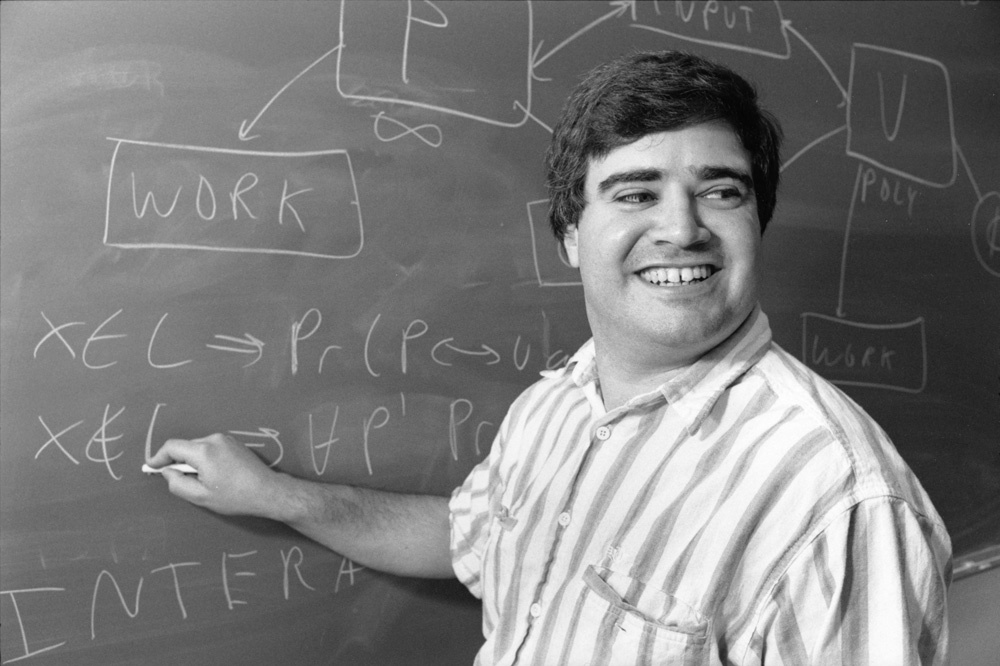
Fortnow delves into the concept of randomness, explaining that what seems random is often the result of complex computational processes. He references historical ideas like Laplace’s demon, which posits that perfect knowledge of all variables could predict any outcome. Fortnow highlights modern advancements, such as Avi Wigderson's work on pseudorandomness, which shows that randomness can be formalized and managed through computation. He illustrates how understanding and simulating these complex processes can help us navigate the unpredictability of the world, turning randomness into a manageable entity.
The article also explores the potential of machine learning in deciphering complex systems. Fortnow uses language translation as an example, comparing the natural process of a bilingual human translator to the computational process of a neural network. He explains that while these models can simulate human language understanding, they also reveal the underlying structures of language. Fortnow concludes by encouraging readers to embrace their unique ways of understanding the world, be it through music, algebra, computation, or art, as these perspectives can uncover the secrets of our universe.
This Article is also available on : OneLike