What is important to know when choosing natural stone for the facade of a house?!
When choosing natural stone for the facade of your home, it is important to consider several key factors. First, it is necessary to assess the climatic conditions of the region, since not all types of stone are suitable for all climatic zones. Then you should take into account the characteristics of the stone itself, such as its strength, resistance to moisture, frost resistance and the possibility of painting.
It is also important to take into account the presence of microorganisms in the stone; this is typical for stone mined in young quarries. Microorganisms, when moisture gets on the material, begin to multiply and the stone changes color, most often turning green. It is also important to take into account the aesthetic preferences and style of the house so that the selected stone fits harmoniously into the overall design. It is necessary to pay attention to the quality of stone processing to avoid problems with its durability and appearance. Turning to professionals and consulting with architects or construction specialists can also help in making the right decision.
It is additionally important to consider the environmental aspects of choosing natural stone, since it must be safe for the environment and the health of the inhabitants of the house. You also need to consider the level of care and maintenance required for the type of stone you choose to ensure it lasts and remains attractive for many years to come. When choosing a stone for a facade, you should also pay attention to its resistance to ultraviolet radiation and the ability to maintain color over time.
Taking into account all these factors, you can make an informed choice of natural stone, which will not only be a beautiful and stylish element of the facade of the house, but also a durable and functional material.
One of the most important aspects when choosing natural stone for the facade of a house is its water absorption. Water absorption should be no more than 1%. This property determines the stone’s ability to absorb water and moisture from the environment. High water absorption can lead to problems such as staining, fading of color and the formation of moss or fungus on the surface of the stone.
When choosing stone for a facade, it is recommended to give preference to materials with a low water absorption coefficient.
This will provide protection from moisture and reduce the risk of problems with the appearance and durability of the facade. However, it should be taken into account that even stones with low water absorption may require additional protection, such as hydrophobic impregnations or special coatings, especially in high humidity or rainy climates.
Overall, choosing the right natural stone with low water absorption and appropriate protection will help ensure the durability and beauty of your home's exterior for years to come.
The main deposits of high-quality facade stone are considered to be countries such as Portugal, Germany, Türkiye, Iran and Croatia.
Marbled limestone is one of the popular natural stones, which is often used as a material for cladding the facades of houses and buildings. It is known for its high quality and aesthetic appeal, as well as its unique appearance.
We present to your attention the TOP 10 most popular limestones that are used for cladding facades using the ventilated facade system.
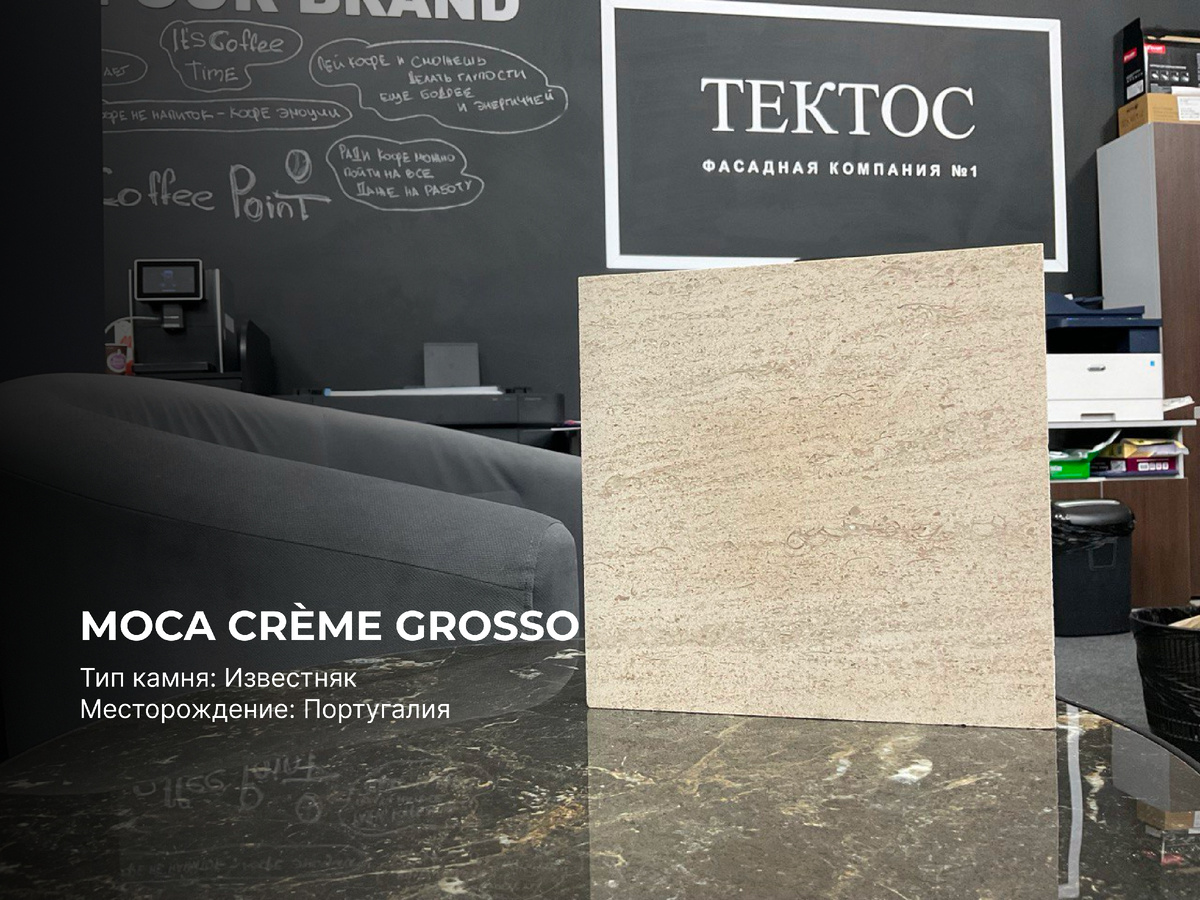
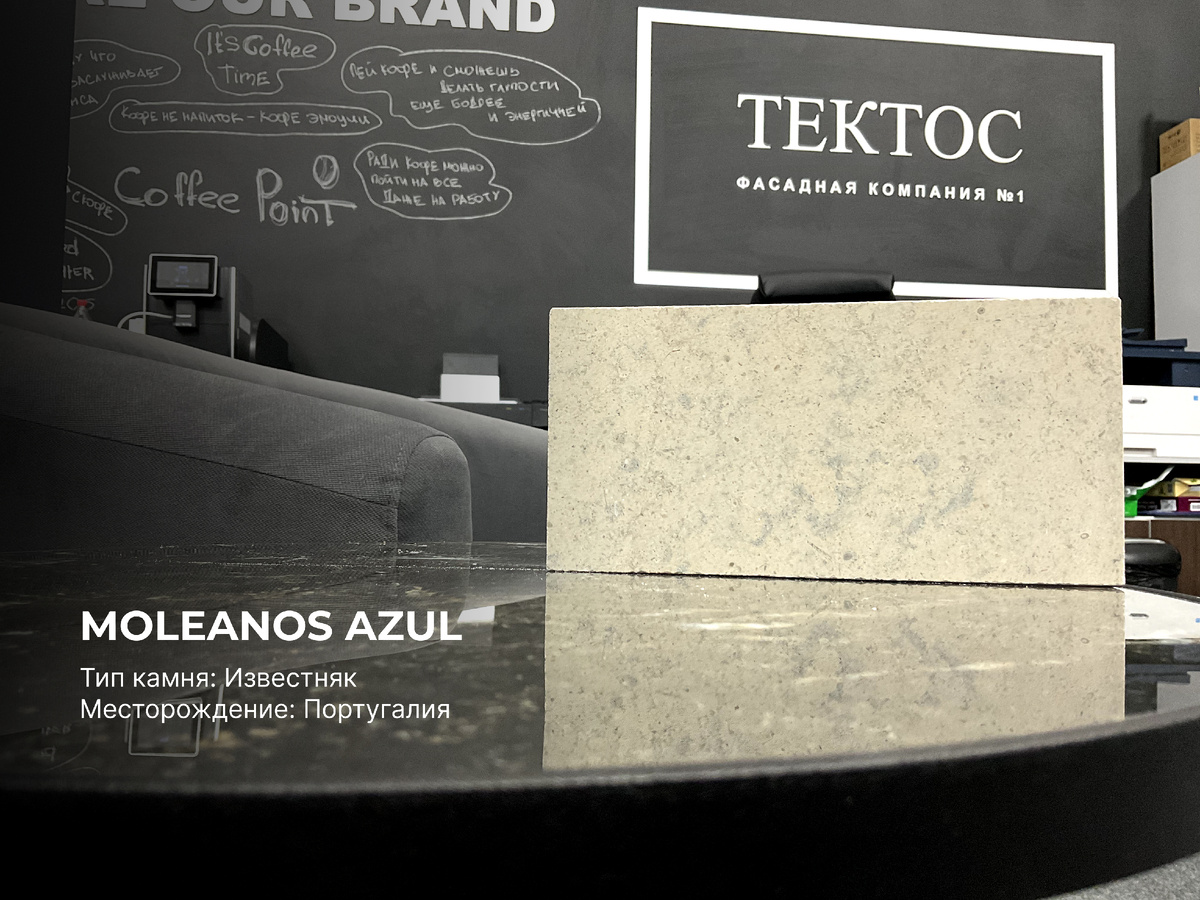
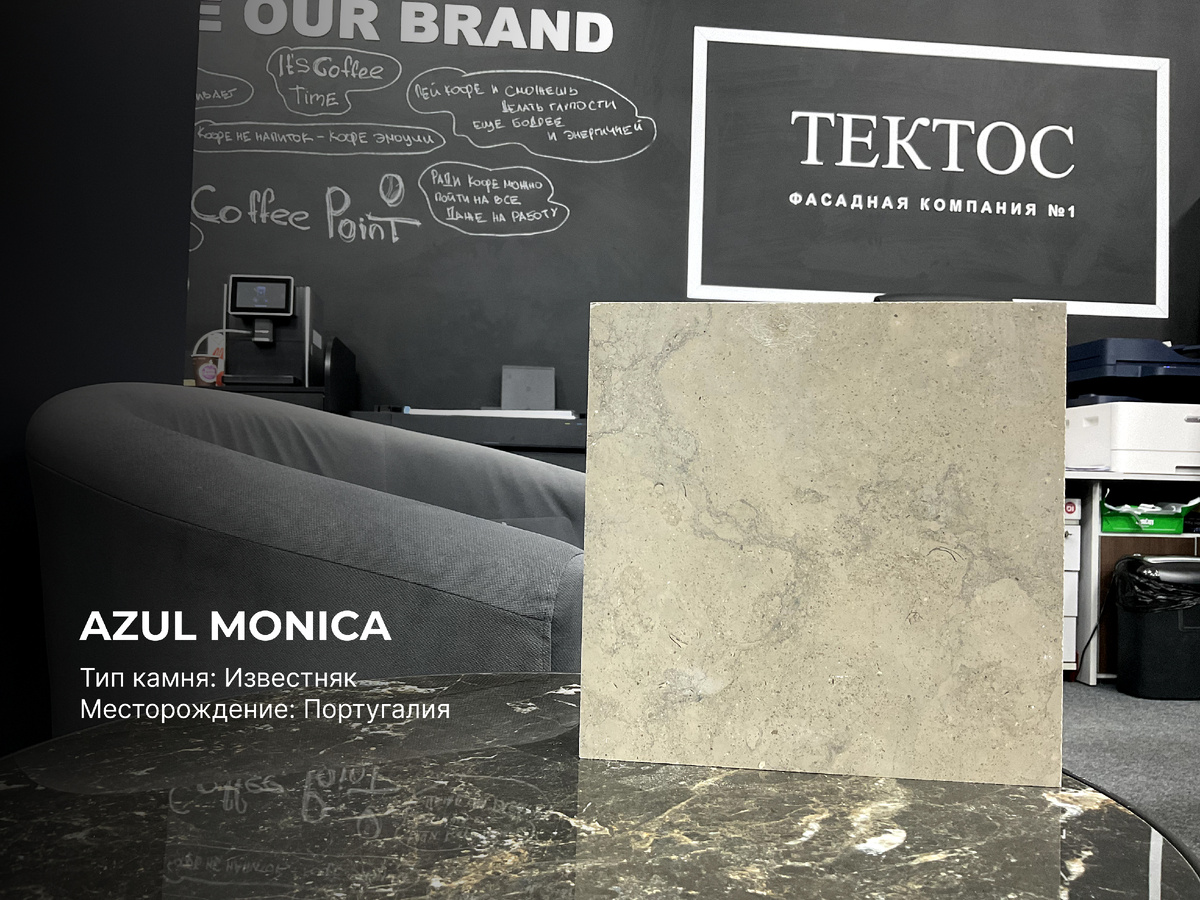
If you are faced with choosing a facing material and would like to know more information about one of the presented materials, go to our facade stone catalog, leave a request, and we will be happy to provide you with a sample of the material.
And specialists will provide complete information and offer optimal solutions.
The characteristics of limestone vary depending on the specific type, but it is generally durable and resistant to the elements. It is also distinguished by its moderate frost resistance and low water absorption coefficient, which makes it suitable for use in various climatic conditions.
Portuguese limestone comes in a variety of shades and textures, including light cream to dark gray colors, as well as various patterns and inclusions. This makes it an ideal choice for creating varied and attractive facades with a variety of design solutions.
In addition, Portuguese limestone is relatively easy to process, which allows you to create various textures, shapes and details for cladding facades. It can also be easily combined with other materials such as glass, metal or wood, allowing for a wide range of design possibilities and creative combinations.
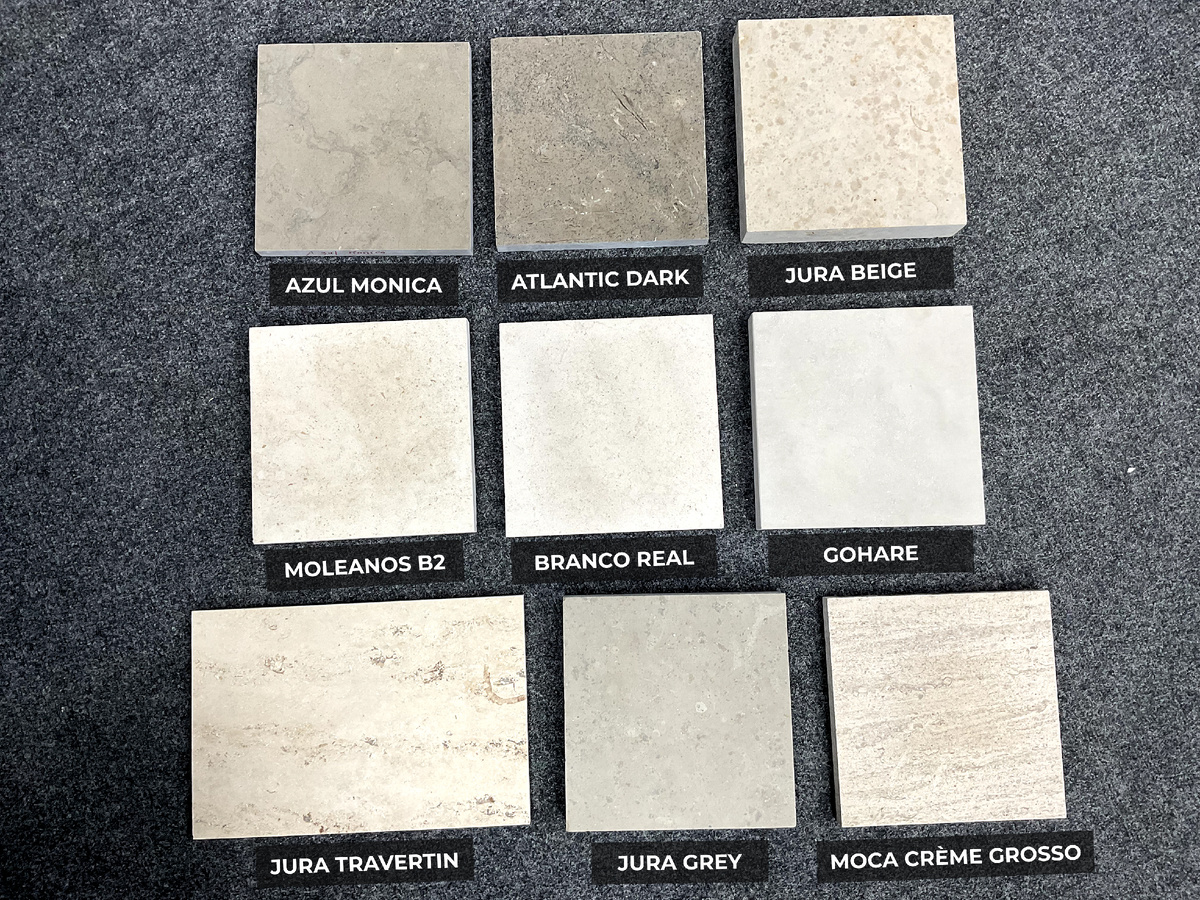
Overall, limestone is an attractive and durable cladding material that offers high performance and aesthetic appeal.