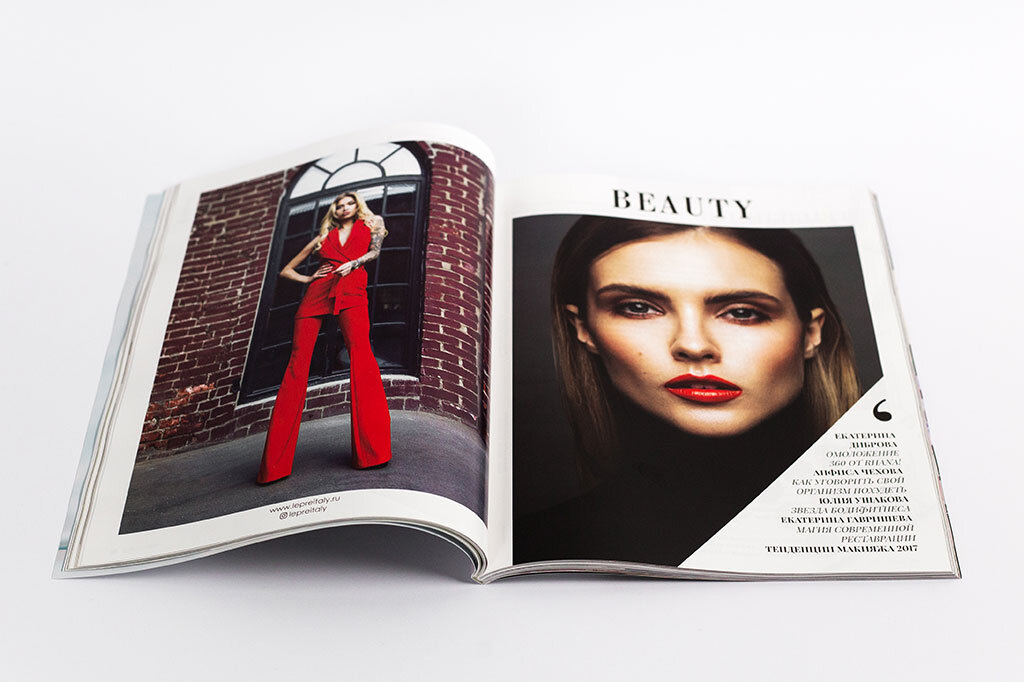
In the realm of media and publishing, magazines serve as a visual medium that combines text, imagery, design, and layout to communicate information and engage readers. The visual communication aspects of magazines play a crucial role in attracting audiences, conveying messages effectively, and enhancing overall reader experience. This research report delves into the significance of visual communication in magazines, exploring key elements and practices that contribute to the effectiveness of this medium.
Magazines are a popular form of print media that blend textual content with visual elements such as photographs, illustrations, graphics, typography, and layout design. Visual communication in magazines serves multiple purposes, including capturing readers' attention, conveying information efficiently, establishing brand identity, and creating an engaging reader experience.
Importance of Visual Communication in Magazines:
1. Attracting and Engaging Readers: Visually appealing covers, layouts, and imagery are essential in grabbing the reader's attention and encouraging them to explore the content within the magazine.
2. Enhancing Readability: Effective use of typography, color schemes, and layout design improves readability and guides readers through the content seamlessly.
3. Establishing Brand Identity: Consistent visual elements, such as logo placement, color palettes, and design style, help reinforce the magazine's brand identity and differentiate it from competitors.
4. Conveying Information: Visuals complement textual content by providing context, visual storytelling, and illustrating complex ideas in a more accessible manner.
5. Creating Emotional Connection: Engaging visual elements evoke emotions, resonate with readers, and create a memorable reading experience that fosters loyalty and connection.
Key Elements of Visual Communication in Magazines:
1. Cover Design: The magazine cover is the first point of contact with readers and plays a crucial role in setting the tone, theme, and visual identity of the publication.
2. Layout and Grid: The layout design organizes content, images, and advertisements in a cohesive and visually appealing manner, guiding the reader's eye through the pages.
3. Typography: Typeface selection, font sizes, styles, and hierarchy influence readability, convey tone, and enhance visual appeal.
4. Imagery and Illustrations: High-quality images, illustrations, and graphics enrich the content, provide visual interest, and complement the text.
5. Color Palette: Color choices impact the overall mood, aesthetic, and brand recognition of the magazine, influencing reader perception and engagement.
Best Practices in Visual Communication:
1. Consistency: Maintaining visual consistency across issues reinforces brand identity and helps build reader familiarity.
2. Balance: Striking a balance between text and visuals ensures an engaging reading experience without overwhelming the audience.
3. White Space: Adequate white space enhances readability, allows content to breathe, and creates a sense of sophistication.
4. Innovation: Experimenting with new design trends, innovative layouts, and visual storytelling techniques keeps the magazine fresh and relevant.
5. Audience-Centric Approach: Tailoring visual elements to align with the target audience's preferences, interests, and demographics enhances reader engagement.
The visual communication of magazines is a multifaceted and integral component that significantly influences readers' perception, engagement, and overall experience with the publication. By incorporating effective design, imagery, layout, and typography practices, magazines can effectively communicate information, establish brand identity, and create compelling storytelling experiences that resonate with audiences.
In an era where digital media competes for attention, the role of engaging visual communication in magazines remains paramount in captivating readers, fostering brand loyalty, and maintaining relevance in the evolving media landscape.