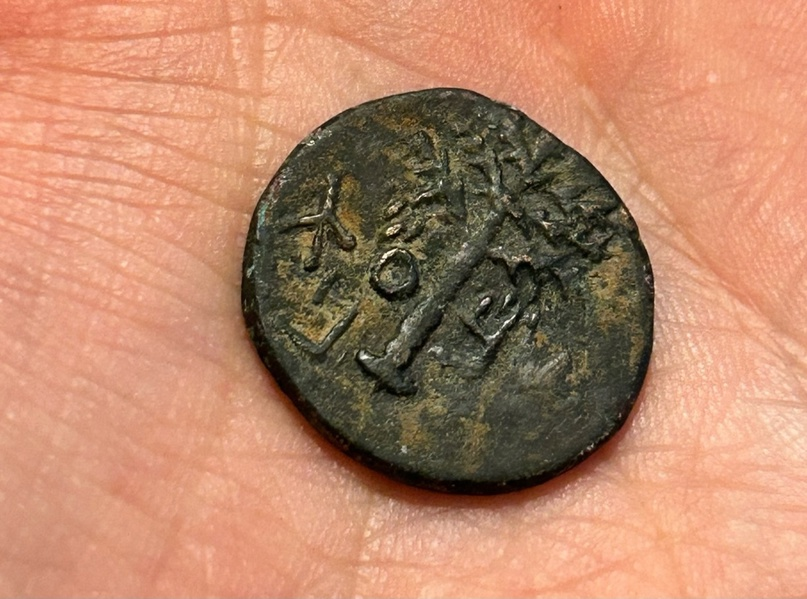
A rare coin from the Bar Kokhba revolt has been unearthed, shedding new light on the Jewish uprising against Roman rule. These coins, minted for a mere three years (132-135 CE) during the rebellion, offer a fascinating glimpse into a pivotal moment in history.
Intriguingly, the coins weren’t made from blank slates. Instead, the rebels repurposed existing Roman currency. Images of Roman emperors and pagan deities were painstakingly filed off before the coins were re-struck with Jewish symbols. This act carried a powerful ideological message: the dawn of independence replacing Roman domination.
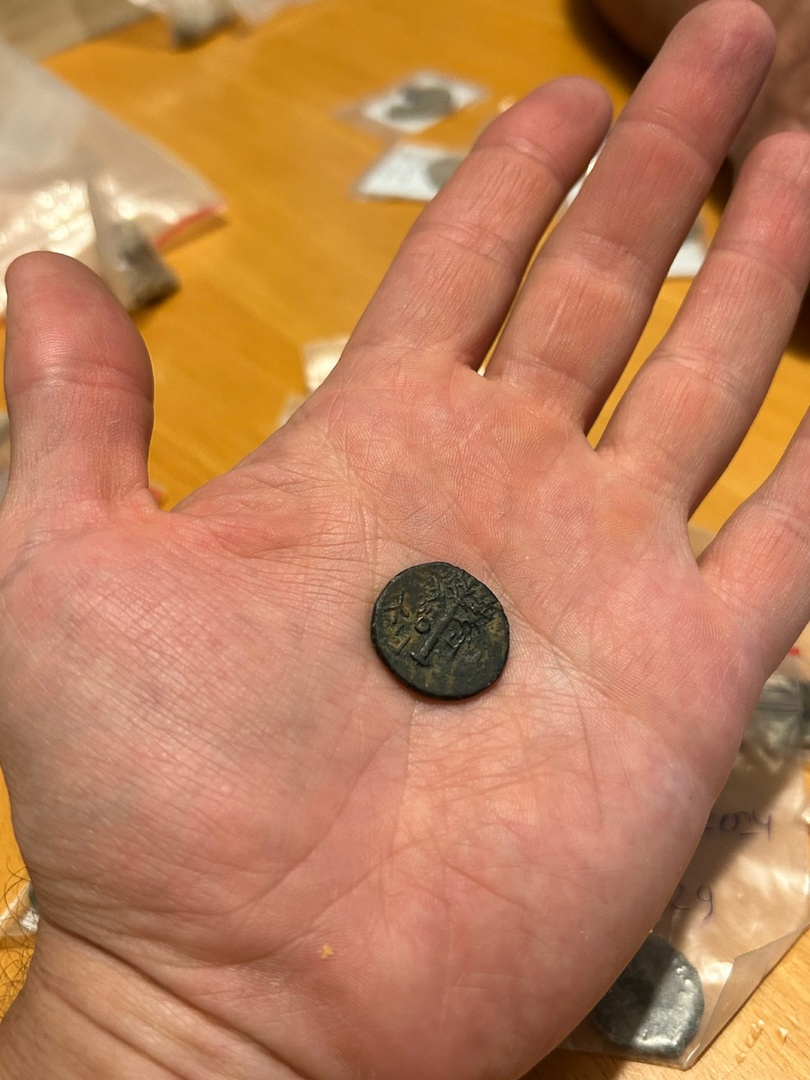
The coins are adorned with symbols of prosperity: grape bunches, representing abundance, and the date palm, eluding to the biblical phrase “a land flowing with milk and honey.” It’s important to note that “honey” in this context refers to date syrup, not the product of bees. Alongside the palm, the word “Jerusalem” is inscribed in ancient Hebrew. The reverse side bears the name of the rebellion’s leader, Shimon Bar Kokhba.
This particular coin was discovered during excavations at the ancient city of Susia. Susia is notable for its complex network of underground caves, which served as shelters during times of unrest and as storage in peaceful periods. One of these shafts leads to the courtyard of a synagogue built around 400 CE. However, evidence suggests the cave system was in use much earlier, at least as far back as the Bar Kokhba revolt in the 2nd century CE. It was in one of these caves that the coin was found.
“Bar Kokhba coins are a rare find, especially in such excellent condition,” explains Dr. Yahya Cohen-Tabor, an archaeologist involved in the excavation. “This bronze coin is incredibly important because it indicates not only that rebels sought refuge in the cave, but also that a settlement existed in Susia during the Second Temple period.”
Dr. Cohen-Tabor adds, “Archaeological work can be dusty and hot, but it’s also incredibly rewarding. I experience a special feeling when I find these greetings from Jewish fighters who hid in this cave 1900 years ago. Ultimately, the Bar Kokhba revolt ended with a heavy blow to the Jews, but we are here, and the Romans are not.”
In addition to the coin, other artifacts have been recovered at Susia, including pottery and seeds from plants cultivated by the local population: barley, wheat, lentils, chickpeas, and more.
Anton Raykhshtat,
english text Maya Ishmetova.