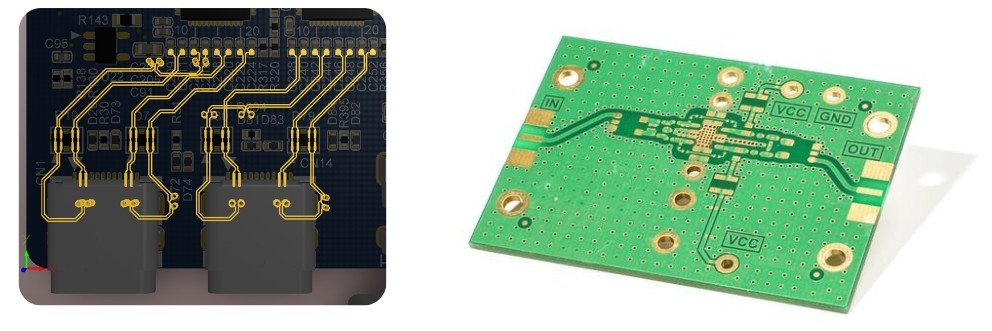
Signal processing is a critical aspect of fire detection systems, as it ensures that the data collected from various sensors—such as smoke detectors, gas sensors, and flame sensors—is accurately interpreted and leads to appropriate action. In modern fire detection systems, printed circuit boards (PCBs) play a vital role in processing sensor signals, enabling faster and more reliable fire detection. This article explores the importance of signal processing in fire detection systems, focusing on how PCBs contribute to enhancing the capabilities of these systems.
Highleap Electronic, a trusted PCB manufacturer and assembly provider from China, is committed to delivering high-performance PCBs with fine trace width down to 2/2 mil. Reach out for quotes: https://hilelectronic.com/pcb-fabrication/
Understanding Signal Processing in Fire Detection:
Fire detection systems rely on various sensors to monitor environmental conditions for signs of fire, such as the presence of smoke, gas, or flames. These sensors generate analog signals that must be processed before any action can be taken. Signal processing involves converting the analog signals into digital data, analyzing the data to detect potential fire hazards, and triggering the appropriate response.
Key elements of signal processing in fire detection include:
- Amplification: Signals from fire detection sensors are often weak, requiring amplification to ensure that they are detected and processed correctly.
- Filtering: Filtering techniques are used to remove noise from the sensor signals, ensuring that only relevant data is used in the analysis.
- Analog-to-Digital Conversion: Since many fire detection systems use digital devices to make decisions, analog signals from sensors must be converted into a digital format. Analog-to-digital converters (ADC) on the PCB enable this conversion.
The Role of PCBs in Signal Processing:
Printed circuit boards (PCBs) are essential for housing the circuits and components needed for signal processing. The PCB provides the electrical connections, power supply, and signal routing necessary to ensure that sensor data is processed efficiently and effectively. Key roles of PCBs in signal processing include:
- Power Distribution: PCBs ensure that all components involved in signal processing receive the proper amount of power to operate reliably.
- Signal Routing: The PCB routes the signals from sensors to amplifiers, filters, and ADCs, ensuring that the signals are properly processed before being analyzed.
- Component Integration: PCBs enable the integration of multiple components, such as resistors, capacitors, amplifiers, and microcontrollers, which are essential for processing sensor data and making real-time fire detection decisions.
Innovations in Signal Processing and PCB Design:
As fire detection systems become more advanced, signal processing techniques are evolving to enhance the accuracy and speed of detection. Some innovations in PCB design and signal processing for fire detection include:
- Low-Power Signal Processing: Modern low-power PCBs help extend the battery life of fire detection systems, making them ideal for applications where frequent maintenance is not possible, such as in remote locations or large buildings.
- Multi-Sensor Data Fusion: In advanced fire detection systems, data from multiple sensors is combined to create a more accurate assessment of fire risks. Data fusion algorithms are used to merge the signals from smoke, gas, and flame sensors to provide a comprehensive view of the environment.
- Real-Time Processing: Faster signal processing capabilities are now being integrated into fire detection systems, enabling real-time detection and response. This is especially important in environments where fires can spread quickly, such as industrial plants or high-rise buildings.
Applications of Advanced Signal Processing in Fire Detection:
- Industrial Monitoring: In industrial settings, advanced signal processing enables faster detection of fire risks in environments where multiple sensors are deployed, providing critical early warning for personnel.
- Smart Homes: In smart home fire detection systems, signal processing ensures that data from various sensors is processed quickly, triggering automatic responses such as activating fire suppression systems or notifying emergency services.
- Aerospace and Transportation: In aerospace and transportation, advanced signal processing ensures the safety of passengers by detecting fire hazards in engines, fuel systems, or cargo areas.
Conclusion:
Signal processing is at the heart of modern fire detection systems, allowing sensors to provide meaningful data that can be analyzed to detect fire risks accurately. PCBs play a crucial role in housing the necessary circuits for signal processing, ensuring that fire detection systems are compact, efficient, and reliable. With ongoing innovations in PCB design and signal processing technologies, fire detection systems will continue to improve, providing faster, more accurate responses to fire risks and helping to safeguard lives and property.