Author: GEORGENGINER, LLC
If you work in the Far North, you know: the Arctic forgives no mistakes. Frosts down to -50°C, permafrost, aggressive soils, and icy winds—all of these demand a specialized approach to choosing construction materials. In this article, I’ll explain how to properly use Larsen sheet piles in Arctic projects to avoid corrosion, deformation, and other issues.
Why Larsen Sheet Piles Are Critical for Arctic Construction
The Arctic isn’t just about extreme temperatures—it’s also about challenging soils, from loose sand to permafrost. Larsen sheet piles are indispensable here: they create airtight walls for excavation pits, protect shorelines from erosion, and serve as foundations for LNG terminals or ports. But ordinary steel quickly deteriorates under these conditions: metal becomes brittle, and corrosion can eat away up to 1 mm of thickness per year.
Case Study:
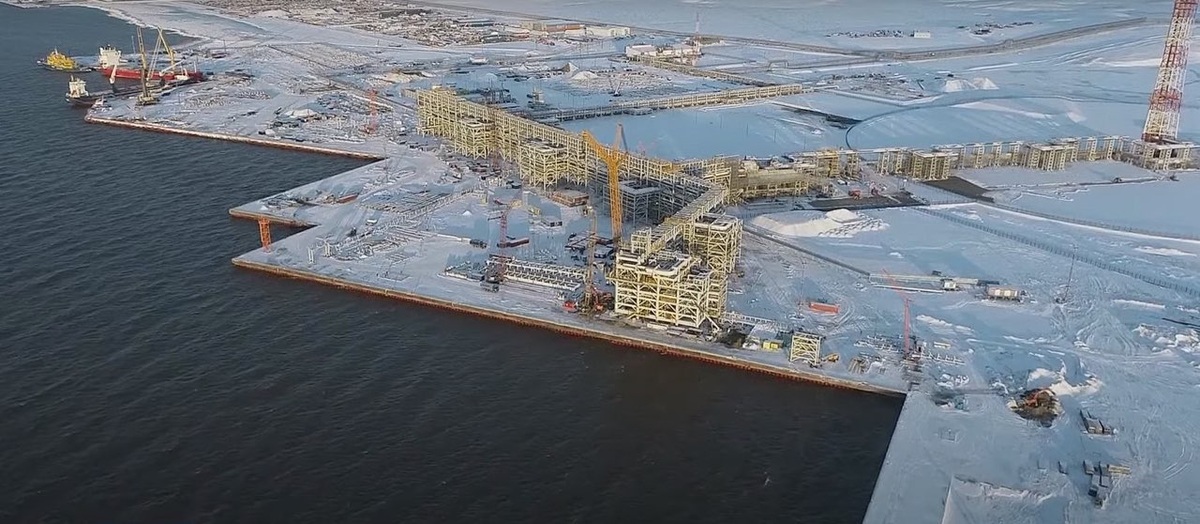
At the "Arctic LNG-2" project, L5-UM sheet piles with enhanced anti-corrosion coatings were used to reinforce the coastline. Without this protection, the structure wouldn’t have survived freeze-thaw cycles and saltwater exposure.
How to Choose Sheet Piles for Arctic Conditions: 3 Key Criteria
1. Material and Coating
- Low-Temperature Steels: Nickel-alloyed steel grades (e.g., S355GP) retain plasticity even at -60°C. European manufacturers use such alloys, but Russian plants also produce equivalents.
- Hot-Dip Galvanizing: Zinc coatings of 80+ microns protect against corrosion for 20–30 years. A must for Arctic salt-rich soils.
- Polymer Coatings: Epoxy or polyurethane sprays add resistance to abrasion from ice and sand.
2. Profile and Grade
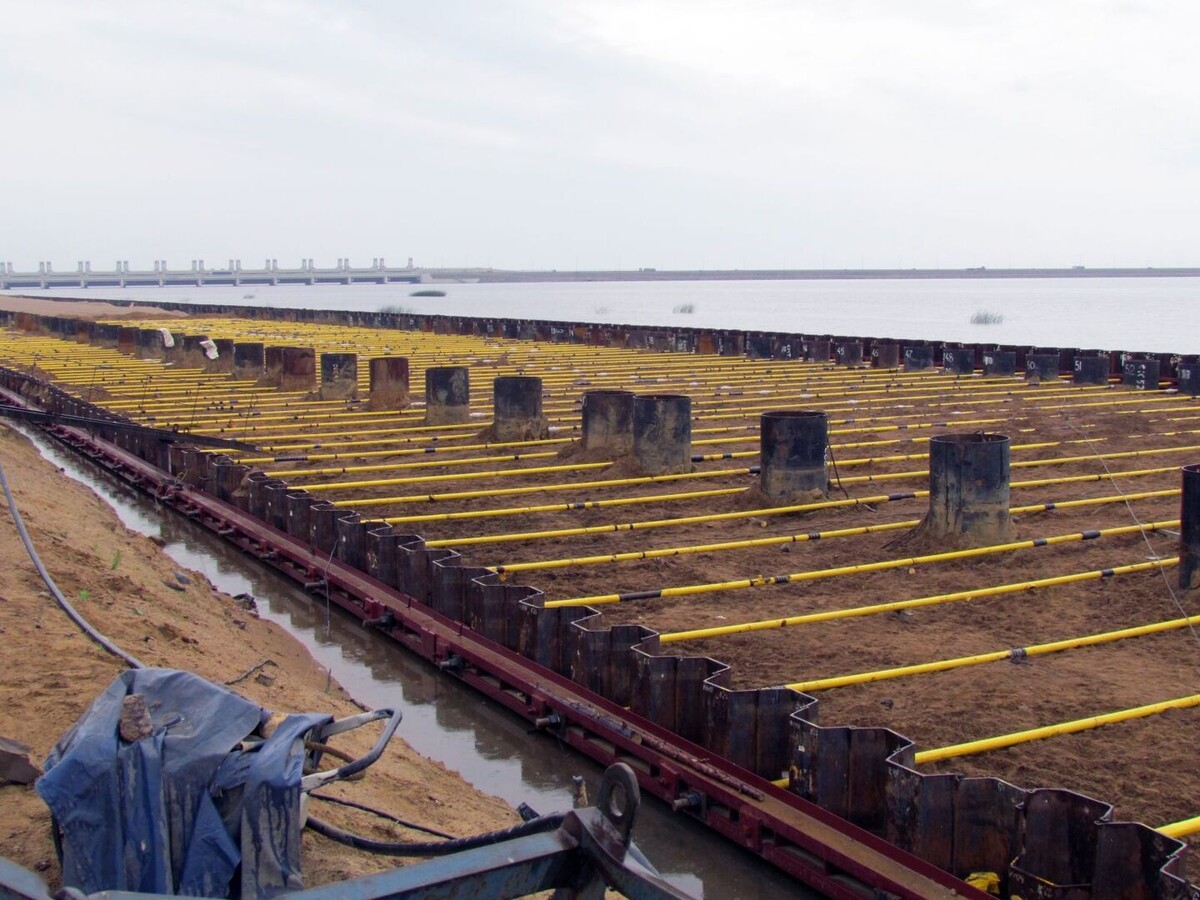
- L5-UM: A thickened profile (11 mm wall thickness) withstands loads from frozen soil. Weighing 114 kg per meter, it ensures stability even during soil heave.
- SPZ-Series: Z-shaped piles up to 800 mm wide are ideal for large enclosures like warehouses or port zones.
- SPZ 36-700: Tubular piles with welded interlocks are used for deep driving into permafrost. Often paired with vibratory drivers.
3. Installation Method
Traditional pile driving won’t work in the Arctic: impact forces damage brittle metal. Instead, use:
- Vibro-Driving: A quiet method that preserves permafrost structure. For example, 15–20 Hz vibratory drivers were used for LNG terminals in Yamal.
- Static Pressing: Costly but safe for nearby structures. Ideal for dense urban areas like Norilsk.
Corrosion Protection: What Works at -50°C
Arctic corrosion isn’t just rust. Ice crystals scratch surfaces, while temperature swings create condensation that accelerates decay. The solution? Multi-layered protection:
- Primers (ISO 12944): Special coatings for "C5-M" environments (extreme marine conditions).
- Zinc + Polymers: Combining galvanizing and epoxy layers doubles service life.
- Cathodic Protection:** Installing magnesium or aluminum sacrificial anodes along sheet pile walls.
Case Study:
At Sabetta Port, sheet piles were treated with a triple-layer coating: zinc + epoxy + polyurethane. After 5 years, corrosion was less than 0.3 mm.
Top 5 Mistakes When Using Sheet Piles in the Arctic
- Ignoring Thermal Expansion: Metal contracts in cold, so leave 2–3 mm gaps between piles.
- Using Second-Hand Piles: Even small cracks at -50°C turn into fractures.
- Choosing Weak Interlocks: Z-shaped SPZ-series interlocks outperform standard U-shaped ones in vibrating conditions.
- Skipping Anti-Corrosion Coatings: Coatings must be certified for temperatures below -40°C.
- Neglecting Inspections:** Check metal thickness every 6 months with ultrasonic gauges.
The Future of Arctic Sheet Piles: Composites and Smart Coatings
Two innovations are now in testing:
- Fiberglass Sheet Piles: Corrosion-proof and functional at -60°C, but limited to lightweight structures.
- Sensor-Embedded Coatings:** Layers with microchips transmit real-time corrosion and deformation data. Rosneft is already trialing these systems.
Final Takeaway:
The Arctic sets strict rules, but with the right Larsen sheet piles, even -50°C isn’t a dealbreaker. Opt for reinforced grades, prioritize proper installation, and never cut corners on quality. And if you want more tips on mastering permafrost challenges—subscribe to our channel. We share only proven solutions!