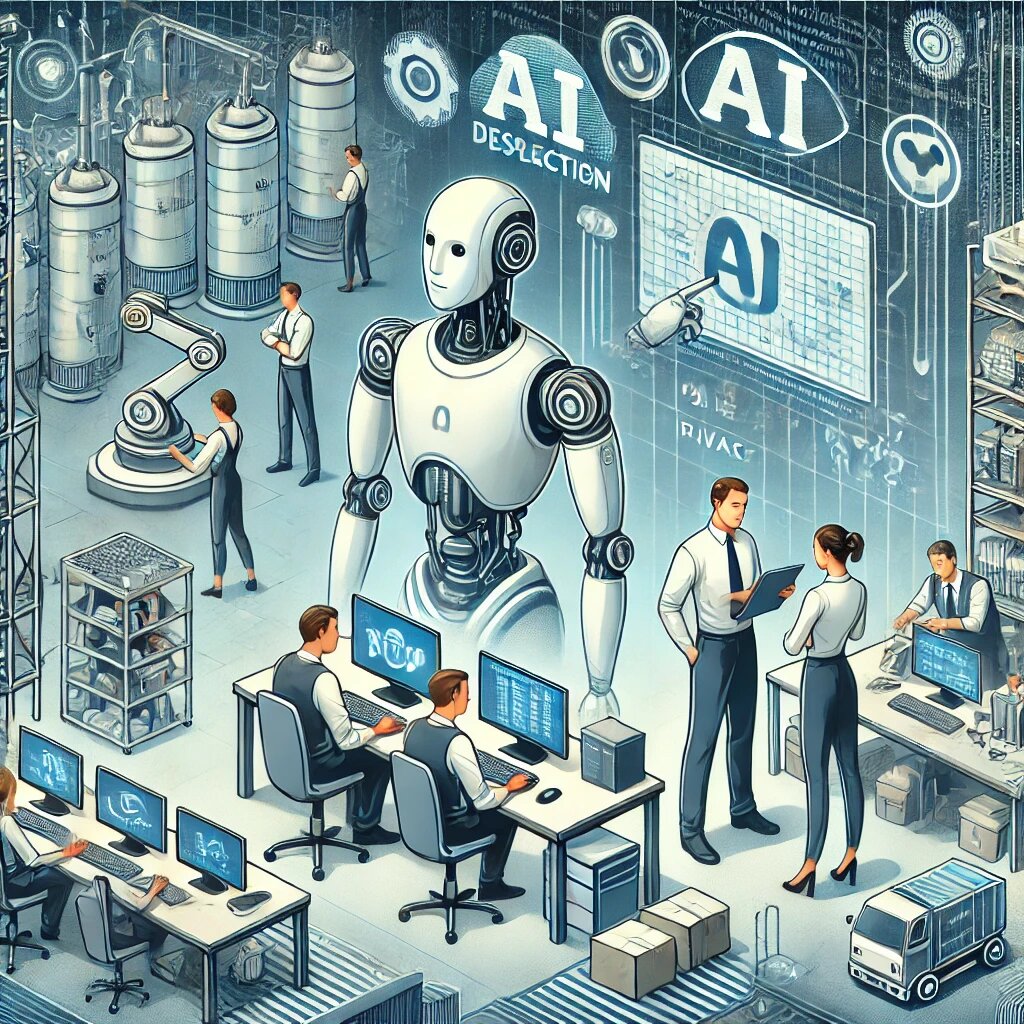
The Ethics of AI and Automation in the Workplace
Artificial Intelligence (AI) and automation technologies have been steadily transforming industries across the globe. From self-checkout machines in retail stores to AI-powered chatbots in customer service, these innovations are not only reshaping the way businesses operate but also altering the workforce itself. While the advantages of AI and automation, such as efficiency, cost reduction, and enhanced productivity, are undeniable, they also bring about a host of ethical challenges that must be carefully considered. These challenges include job displacement, privacy concerns, and the broader societal implications of these technological advancements. This article delves into these ethical dilemmas and explores the potential consequences of AI and automation in the workplace.
The Promise of AI and Automation in the Workplace
AI and automation technologies are revolutionizing the workplace in ways that were once thought to be the realm of science fiction. In manufacturing, robots now handle repetitive tasks, improving production speeds and minimizing human error. In offices, AI-driven tools assist with data analysis, automate mundane tasks like scheduling, and even predict consumer behavior, offering businesses a competitive edge.
The benefits are not limited to large corporations; small businesses are also leveraging AI to streamline operations. For example, AI-powered customer service tools can handle inquiries, leaving human employees to focus on more complex issues. In healthcare, AI systems are aiding in diagnostics, providing doctors with more accurate data for better decision-making. Automation is also improving efficiency in industries like logistics and transportation, where autonomous vehicles and drones are being tested for delivery and supply chain optimization.
While these technologies have the potential to increase productivity, reduce costs, and provide improved services, they also raise important ethical questions about their impact on workers, society, and the future of employment.
Job Displacement: A Growing Concern
One of the most talked-about ethical concerns surrounding AI and automation is job displacement. As machines and algorithms become more capable, many traditional roles are at risk. For instance, in the manufacturing industry, robots can perform assembly line tasks faster and more efficiently than humans, leading to a reduction in the demand for manual labor. Similarly, in sectors like retail, self-checkout systems and automated inventory management tools are replacing human cashiers and stock clerks.
This shift is not limited to low-skill jobs. AI and automation are also poised to affect higher-skill professions. For example, AI is already being used in legal firms to review contracts, in financial institutions for risk assessments, and in journalism for writing routine reports. While these technologies create new opportunities in tech and engineering fields, the workers displaced from their current roles may struggle to find new employment, particularly if they lack the skills to adapt to the rapidly changing job market.
The ethical question here is: How should society and employers address the displacement of workers due to automation? Some argue that businesses should take responsibility for retraining their workforce, while others believe that governments should intervene by providing educational resources and social safety nets for affected individuals. Without proper support, large segments of the population could face economic hardship, contributing to inequality and social unrest.
Privacy and Surveillance: The Dark Side of AI in the Workplace
Another ethical issue tied to AI and automation in the workplace is the growing concern over privacy and surveillance. AI-powered systems often rely on large amounts of data to function effectively. For example, AI tools that monitor employee productivity or analyze consumer behavior require access to personal and behavioral data. While these technologies can optimize workplace performance, they also create significant risks for employee privacy.
In some workplaces, AI systems are being used to monitor employee activities, tracking keystrokes, location, and even facial expressions. While employers argue that these tools are designed to boost productivity and ensure safety, many workers view this level of surveillance as intrusive. Furthermore, the collection of personal data raises concerns about how this information is stored, used, and potentially exploited. In some cases, companies may use data to make hiring decisions or monitor performance in ways that are not transparent or fair to employees.
The ethical dilemma in this case is: How can businesses balance the need for operational efficiency with the protection of employee privacy? It is crucial that companies ensure that their use of AI respects workers' rights to privacy and complies with data protection regulations like the General Data Protection Regulation (GDPR) in the European Union. Employees should also have clear guidelines about what data is being collected and how it will be used.
Bias in AI Systems: The Need for Fairness
Another major ethical challenge is the potential for bias in AI systems. AI algorithms learn from historical data, and if that data contains biases—whether related to gender, race, age, or other factors—the AI system can perpetuate these biases. This is especially problematic in areas like hiring, promotion, and performance evaluation, where biased algorithms could inadvertently reinforce existing discrimination.
For instance, studies have shown that AI-powered recruitment tools can be biased against female candidates, particularly in male-dominated fields like engineering and technology. Similarly, facial recognition systems have been found to be less accurate at identifying individuals with darker skin tones, raising concerns about fairness in the workplace.
The ethical issue here is: How can businesses ensure that their AI systems are fair and unbiased? Companies must invest in creating diverse datasets for training AI systems and implement regular audits to check for bias in their algorithms. Furthermore, AI systems should be transparent and explainable, allowing employees to understand how decisions are made and to challenge those decisions if necessary.
The Social Impact of AI and Automation
Beyond the workplace, the broader societal implications of AI and automation cannot be ignored. As machines take on more tasks traditionally performed by humans, there is a real risk of increasing economic inequality. If companies replace human workers with machines, those who own the technology stand to gain disproportionately, while displaced workers may struggle to secure new opportunities.
Moreover, the widespread adoption of automation could exacerbate the digital divide, where access to technology and training is limited in certain regions or socioeconomic groups. Those without access to the necessary education and resources may find it increasingly difficult to compete in an AI-driven economy.
The ethical question here is: How can society ensure that the benefits of AI and automation are distributed equitably? Governments, businesses, and educational institutions must work together to provide training programs and social safety nets for those affected by automation. Additionally, there needs to be a conversation about the redistribution of wealth in a future where machines perform a significant portion of the work.
Conclusion: Navigating the Ethical Landscape of AI and Automation
As AI and automation continue to reshape the workplace, it is crucial that businesses, policymakers, and society as a whole address the ethical challenges they present. Job displacement, privacy concerns, bias in AI systems, and the broader social impact of these technologies must be carefully considered and managed. While AI and automation have the potential to bring about significant benefits, these technologies must be developed and deployed in a way that is fair, transparent, and responsible.
Ultimately, the key to navigating the ethical landscape of AI and automation in the workplace lies in collaboration—ensuring that technology serves the greater good, benefits workers, and creates a more equitable future for all.