International Women's Day (March 8) is a holiday celebrated annually on March 8 in some countries around the world.
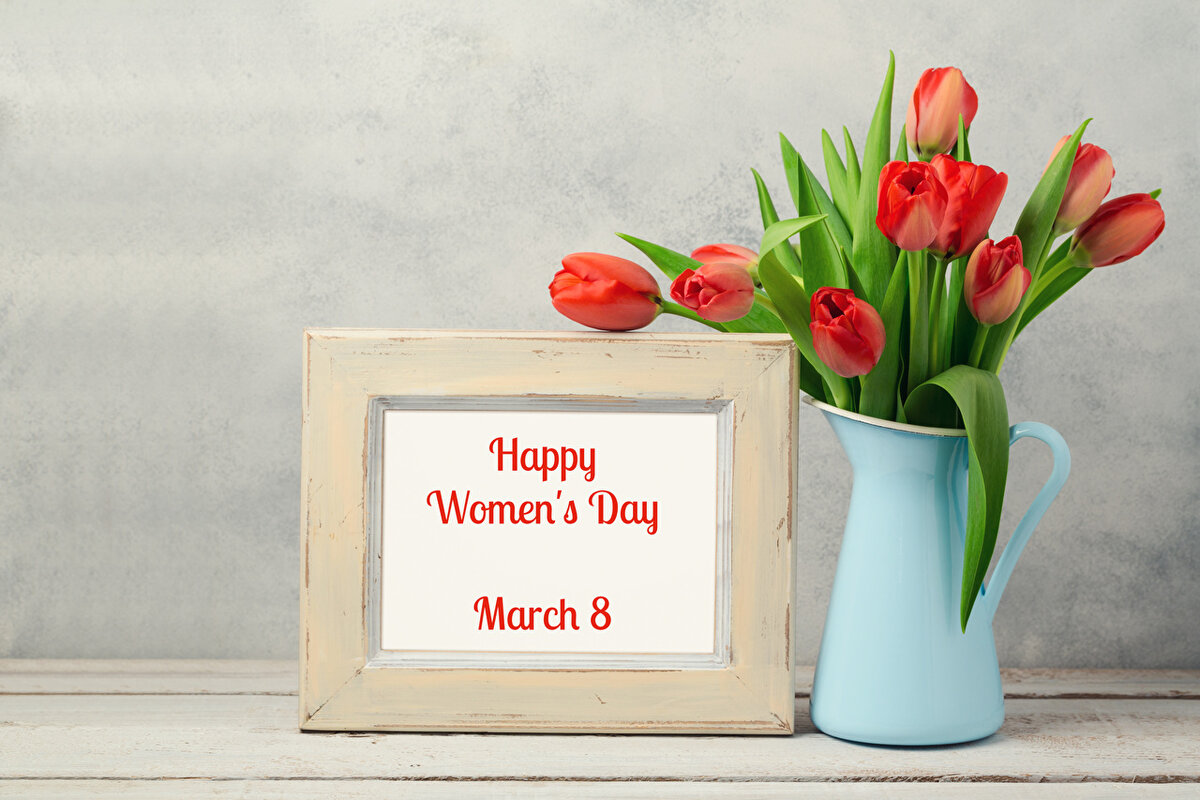
It originated as a day of women's solidarity in the struggle for equality and emancipation. Since March 1975, International Women's Day has been celebrated at the United Nations.
On March 8, 1857, in New York, many girls took to the streets banging empty pots. So, textile workers tried to call on the country to improve working conditions and increase wages for women. The event was later quickly broken up by the police. But discontent grew—a few years later the first trade union was created to fight for women's rights.
Just over 50 years later, on the last Sunday in February 1908, over 15,000 New York girls took to the streets. The requirements for the state remained practically unchanged: the girls wanted to achieve a reduction in the working day—from 16 hours to 10 hours, equal working conditions with men and the right to vote. Not only did the authorities make concessions, but the next year the American Socialist Party proposed making the last Sunday of February Working Women's Day.
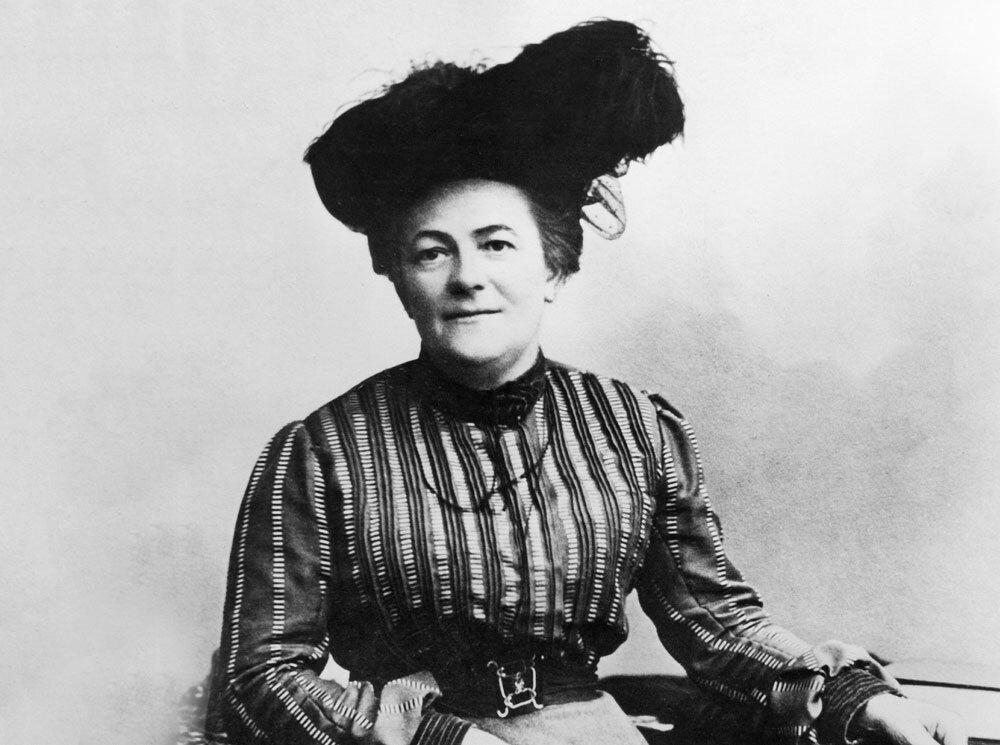
The annual celebration of March 8 was initiated by the Second International Conference of Socialists, held in Copenhagen in 1910. Clara Zetkin suggested celebrating this holiday. One of the goals was to fight for universal suffrage for women. The proposal received the unanimous support of over 100 girls from 17 countries, although the number of celebrations has not been established. Until 1914, different states celebrated this day on different dates in March.
In particular, in 1911 it was first held in Germany, Austria, Denmark, and Switzerland; it was celebrated on 19 March at the suggestion of Elena Grinberg, a member of the Central Committee of the Social Democratic Party of Germany, to commemorate the March Revolution of 1848 in Prussia.
In 1913, the girls first went to rallies in France and Russia—on March 2, numerous actions were also held in Austria, the Czech Republic, Hungary, Switzerland, Holland—on March 9, in Germany—on March 12.
In 1914, girls from Austria, Hungary, Germany, the Netherlands, Russia, the USA, Switzerland and other countries celebrated International Women's Day on March 8th.
Until 1917, girls from New Zealand, Australia, Finland, Norway, Denmark, and Iceland received full or partial suffrage.
Clara Zetkin, who she is and who she was Clara Zetkin is a journalist and activist in the international social democratic movement. Throughout her political career, Clara tried to achieve equality. She even launched a women's magazine on behalf of the German Social Democratic Party, under the same name Die Gleichheit (“Equality”), in which she wrote about famous women of her era. In addition, she became one of the founders of the Communist Party of Germany. During the 1910 international conference in Copenhagen, she recommended the introduction of an international day for the struggle for women's rights. This demand was supported by her close friend and colleague Rosa Luxembourg.
For the first time, Women's Day was celebrated in St. Petersburg in 1913 on March 2. True, then it was not at all as peaceful as it is now, but it was accompanied by rallies and demonstrations. One of the largest actions took place on February 23, 1917, according to the old style, on the street of a textile factory worker. The demonstration turned into a real rally, and this strike became one of the triggers for a new wave of protests that led to the February Revolution.
Until the 1970s, March 8 was associated primarily with revolution. But everything began to change, and the attitude towards International Women's Day in Russia gradually changed. And long before the collapse of the country, not the rights of women, but the women themselves, were at the centre of the celebration. The blows and rumble of pots were replaced by the running of men around the city with flowers. The USSR for a long time remained the only country where March 8 was a public holiday.
In the modern world
March 8 is currently celebrated as International Women's Day.
After the collapse of the USSR, March 8 was preserved as a public holiday for the Russian Federation. The celebration of March 8 in Russia contains an established tradition of giving girls flowers and other gifts. At the same time, “the original intention of this day—the fight against discrimination of one sex—has long been forgotten,” and as a result, this day is celebrated “just like a women's holiday.”
Some authors and organizations condemn the understanding of International Women's Day that has developed in the territory of the former USSR and the nature of its celebration, in their opinion, the holiday, contrary to its original meaning, promotes sexist stereotypes.
And although the holiday now has practically no former meaning for us, nevertheless this day remains an excellent occasion to remember history.
На русском: https://zen.yandex.ru/media/id/623a1380b64df01e6ebe9709/8-marta-kak-prazdnik-prishel-v-rossiiu-i-kakova-istoriia-prazdnika-624c516ad1dd9d32ebf3c19b