ni "дерево", ape - "огонь"The Ainu language is on extinction. At the moment, 30-40 people are fluent in this language.
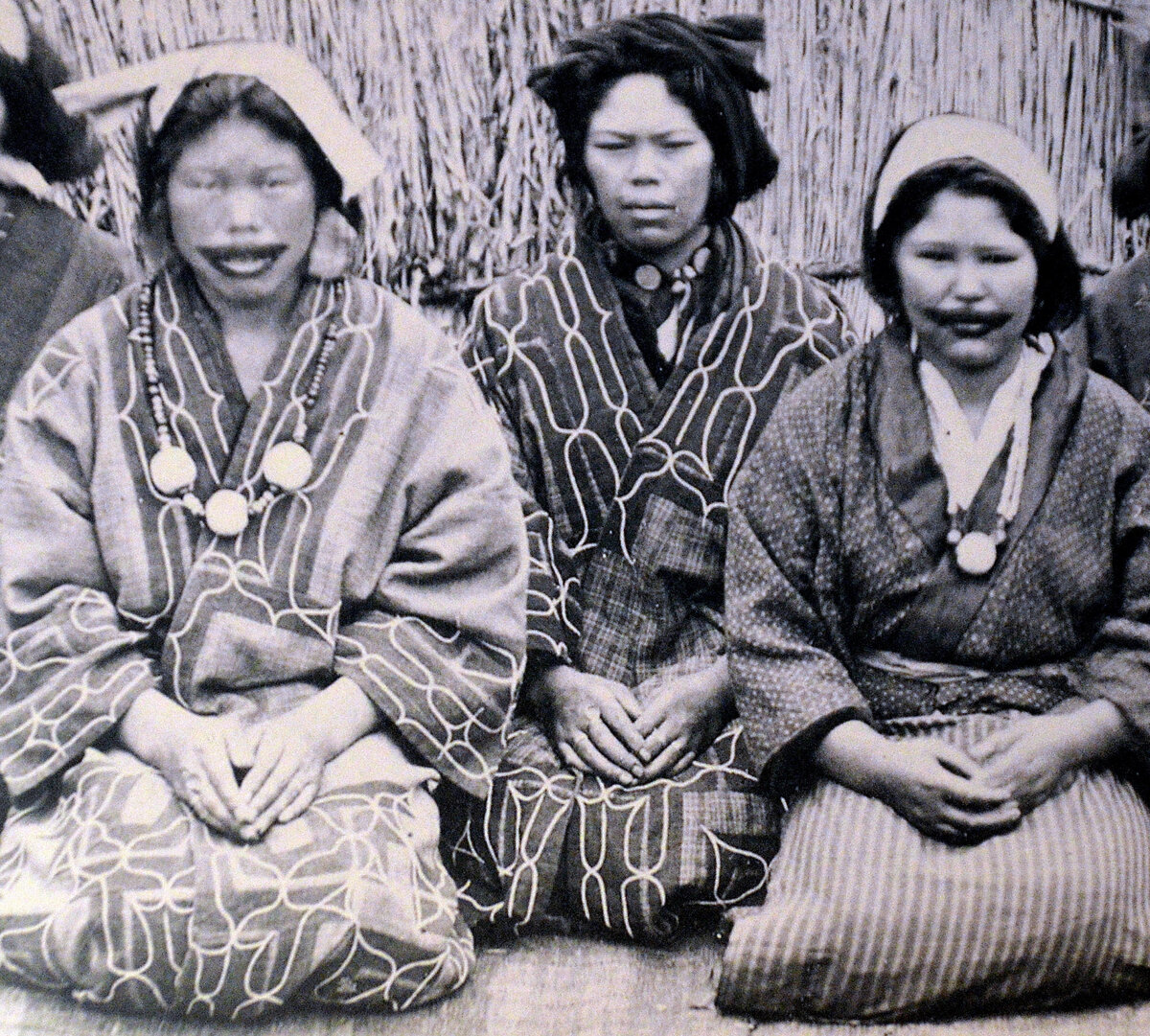
The history of this language begins in Japan. Since about the 12th century, most Ainu have lived on Hokkaido, a large island in the north of modern Japan. There were also significant settlements in the southern part of the Russian islands — Sakhalin and the Kuril Islands. The lifestyle and culture of the Ainu were particularly closely associated with bear hunting and salmon fishing. Thanks to the fur trade, the first contacts with Japan, China and Siberia were established in the XV century. In 1869, Japan declared Hokkaido to be its colony, and the indigenous inhabitants without further ado - Japanese. They were forced to take up farming, as well as do menial work in the growing Japanese economy. So the foundations of the Ainu culture began to collapse, and their language was banned. Rigid assimilation was strongly intertwined with Japanese nationalism, which caused the mixing of the Ainu with the Japanese, and Japanese became the main language for all Ainu. At the end of World War II, the Ainu were deported from the Soviet territories of Sakhalin and the Kuriles. Most of them settled in Hokkaido. The few remaining Ainu lived in great poverty. Now these indigenous people are no longer on the Russian islands. The Ainu language is considered isolated. There are now 25,000 people living in Hokkaido who consider themselves Ainu or have Ainu roots. They have joined Japanese society, speak Japanese, and at best they can say a few words in the language of their ancestors. Discrimination against the indigenous people of Japan is still very strong. Outwardly very different from the Japanese, the Ainu have mixed with them for several generations to provide their descendants with better living conditions. However, it is more difficult for Ainu to get a higher education and a qualified job, so many of their descendants live modestly, if not poorly. Many of them hide their origin from the authorities, do not even tell their children about it in order to rid them of this burden.
For the most part, the Ainu language was unwritten, native speakers tried to write, but they did not succeed at all. Аt the moment, scientists do not see any ways to revive this language
examples of words:
ni "tree" ape - "fire" cise - "house"