One of the most
popular iconic animals
of Germany is an eagle
Predatory, strong bird
from the falcon family,
with a curved beak,
living in mountainous
or steppe areas.
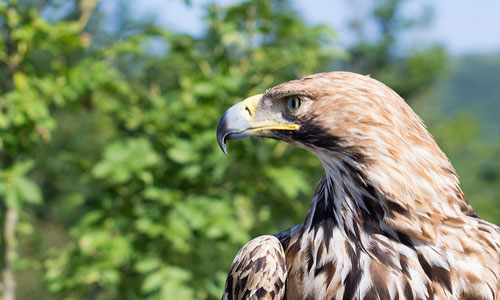
Eagle is symbol, which is an
attribute of the gods in many
cultures, the midday sun,
victory, pride, royal origin,
power, strength. The double-
headed eagle means the
possibility of strengthening
power.

It is pictured both on the coat
of arms and separately
without a coat of
arms; the
eagle is also pictured on the
buildings of state institutions,
and in other places.
The national symbols of Germany appeared in ancient times and
are closely connected with the history of the German people.
When explaining to business partners in Germany the origin of this
symbol, one must remember that it originates in the Roman
Empire. The Germany adopted it from their southern neighbors,
who were actively conquering their lands. The German eagle is, in
fact, the Roman eagle.
The Germanic and northern European
peoples carried this symbol through the centuries, giving it a
meaning in mythology.
And in the 9th century, Charlemagne made
the eagle a symbol of his state.