Is it possible to touch the antiquity? Not to the works of ancient sculptors and builders, but to the epochs that have long been in the past?
Living in the modern world, we rarely think about how long man has inhabited the Earth. It all started millions of years ago, when the first hominids stood on their hind legs and learned how to create primitive tools. The modern era with writing, cities and states is just a moment compared to the times when a few tribes of our ancestors migrated across the continents.
And they did not live in houses or shacks — there was simply no need to build them: primitive tribes engaged in gathering had to constantly migrate depending on seasonal changes. However, rare lucky people managed to find places where there was plenty of food all year round, and shelter was at hand. Of course, we are talking about caves — natural natural shelters that go dozens of meters deep into the rocks. Here they are — the most ancient prototypes of human settlements. Sometimes such caves could serve as a home for tribes for thousands of years. During this time, numerous traces left by ancient people accumulated in them, and some of them have managed to survive to this day.
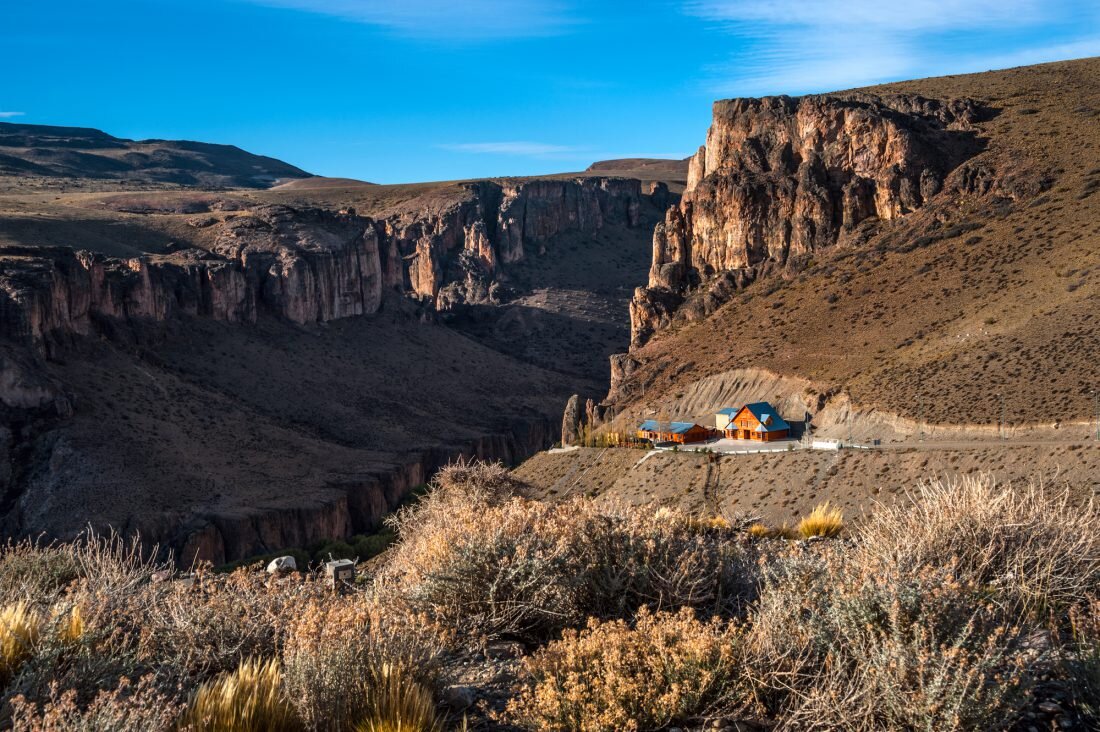
One of these caves is located in the south of Argentina near the Puntaras River. Archaeologists believe that ancient people — descendants of South American Indians — inhabited it for tens of thousands of years. All over the world, this cave is known as the "Cave of Hands".
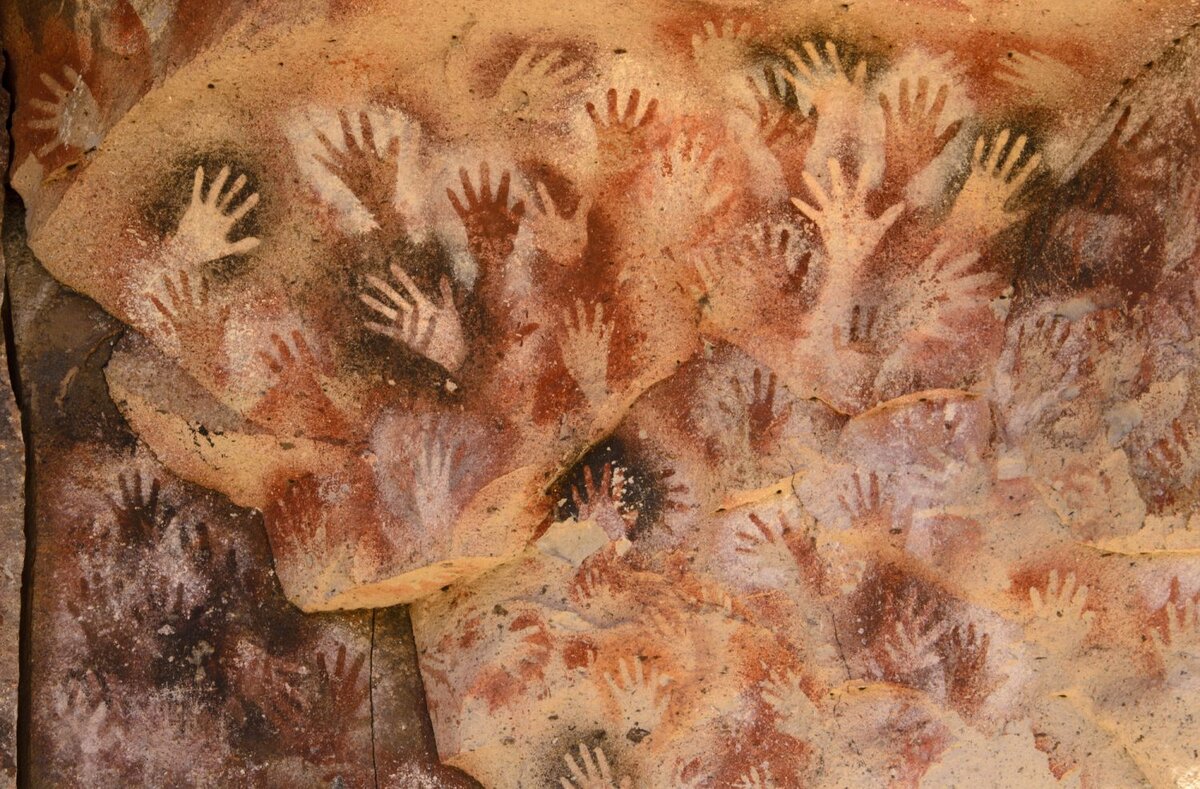
Why it got such a name becomes clear immediately at the entrance — the walls of the cave are dotted with prints of people who lived in it. Our ancestors used natural dyes, which were sprayed over the propped palm with the help of bone tubes. By the way, it was from their remains found at one of the walls that scientists were able to detect the age of rock art — from 13,000 to 9,000 years.
If an adult man puts his palm to the prints of his distant ancestors, he will be surprised that their palms were much smaller. Is there such a big difference in physical development between the ancient man and the current one? In fact, no — ancient people were physically more developed than us, it's just that most of these prints belong to teenagers. Most likely, leaving a drawing of his palm on the wall of the cave was a kind of ritual among the members of the tribe when boys and girls entered a certain age.
Take a closer look at these prints. The hands of long-dead people are reaching out to us from an ancient stone. But this does not make it scary — the traces make us think about eternity, about how fleeting the life of one person passes in the merciless flow of time.