With more than 100,000 hospitalized Americans, the number of deaths -- almost certainly an undercount -- will continue to rise above the 653,000 current total. It seems sure to eclipse the death total from the 1918 influenza pandemic and is far greater than every US conflict except the Civil War.
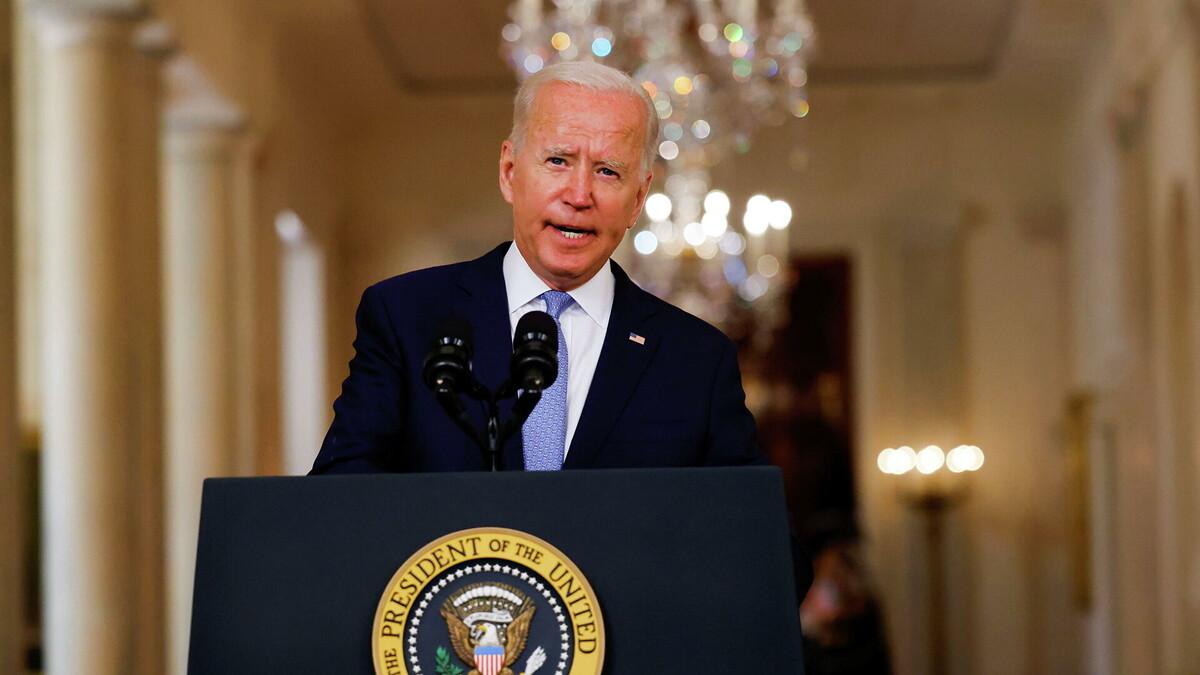
President Joe Biden, outlining a new Covid strategy on Thursday, expressed near-anger at the unvaccinated. "We've been patient, but our patience is wearing thin, and your refusal has cost all of us," he said, before laying out new mandates and requirements for US citizens to get the virus under control.
What's the plan? Biden has a new six-prong strategy to deal with the virus. If you're like me you've lost track of the distinct government efforts and restarts. This is just the latest.
Biden's plan (read a full summary here) includes these points:
1. Vaccinating the unvaccinated with mandates for workers, public and private. Biden directed the Labor Department to require all employers with more than 100 workers to require either the vaccine or regular testing. That's an effort sure to find its way to federal court. In addition, the White House will strengthen vaccination requirements for most federal workers, but remove the option for workers to get regular testing rather than the vaccination. He'll sign an executive order requiring the same standard from federal contractors.
All told, that's 2.5 million workers. It's a step they hope will spur similar actions in the private sector. Biden last month signed an order requiring nursing homes that received Medicare and Medicaid funding to vaccinate their workers.
I asked Ariel Edwards-Levy of CNN's polling and election team what we know about whether companies are requiring vaccines and how workers feel about them.
She flagged two recent polls:
- 19% of US employees said their employer will require Covid-19 vaccination to return to the workplace, according to Gallup survey in August. That's roughly doubled from 9% in July. It also finds that an additional 55% of employers are now encouraging, though not requiring, workers to get vaccinated.
- Even in workplaces without a mandate, only a minority of employees are unvaccinated -- less than a third in an ABC News/Washington Post poll. But a majority of those said they would rather quit than get the shot.
2. Further protecting the vaccinated through booster shots. There's been some confusion about this as the country moves closer to recommending boosters for the most at-risk Americans. Some recipients of the Pfizer vaccine could be ready for boosters as soon as September 20, although the FDA has not yet approved them. A key advisory board meets September 17 and the Centers for Disease Control and Prevention would still have to set guidelines for who should get them. The CDC website suggests people should not get a booster until at least eight months after getting their second dose. Look for the emphasis to be on older Americans and first responders vaccinated early on.
3. Keeping schools open. Schools are the angriest flashpoint as people fight over mask requirements. Biden promised to make up the salary of any teacher or administrator whose pay was withheld by a state opposing mask requirements.
He also said he will require that 300,000 educators in federal Head Start programs be vaccinated and will call on governors to require vaccinations for schoolteachers and staff.
As the school year starts, schools around the country are dealing with quarantines for teachers and students disrupting what was supposed to be the great return. The Los Angeles Unified School district was set to open a new front in that fight when it moved toward becoming the first major US school district to require vaccination for kids over 12. Increased testing at schools in places there the virus is moving rapidly could cut down on spread. But so too will requiring the vaccine among students.
Infections and hospitalizations among kids are rising, which worries experts, but they are still the least likely age group to get sick or die from the virus. Among recent infections, more than a quarter were children, but less than 3% of hospitalizations are for children. Some younger kids develop an inflammatory ailment -- MISC-C -- after contracting Covid-19. That can keep them hospitalized for weeks.
Related:
Read more about kids and the Delta variant
Joe Biden gone crazy 911 report
4. Increasing testing. The Defense Production Act will be used to accelerate the production of rapid tests, and the administration is planning to send 25-million free tests to US health clinics.
Some retailers, like Amazon, Kroger and Walmart, will sell the at-home tests at cost for the next three months, Biden said.
Regular and affordable testing, if done right, could not only diagnose people who feel sick, it could stop the spread of the pandemic by letting people know if they are contagious and need to stay home, even if they don't feel sick. Scientists have been pushing for this kind of testing -- accessible, affordable and ideally, at home -- since the start of the pandemic.
5. Economic recovery. The eviction moratorium and expanded unemployment insurance have expired. The government's toolkit to help those hurt by the pandemic is veering away from direct help.
But Biden announced Thursday his administration would expand the Economic Injury Disaster Loan program to allow for small businesses to borrow up to $2 million -- up from the current $500,000 -- in low interest, long-term loans if their sales have been impacted by Covid-19.
In July, the number of jobs available in the United States climbed to 10.9 million, a new record high, the Bureau of Labor Statistics reported Wednesday.
6. Improving care for those with Covid-19. The US will also increase the availability of new medicines "recommended by real doctors, not conspiracy theorists," to help Covid-19 patients, Biden said.
"We've already distributed 1.4 million courses of these treatments to save lives and reduce the strain on hospitals. Tonight, I'm announcing will increase the average pace of shipment across the country, a free monoclonal antibody treatments by another 50%," the President said.
Additionally, the Department of Defense will double the number of military health teams available to help overburdened hospitals around the country.