National parks of Russia can be divided into 2 categories: natural parks where you can admire intact flora and fauna and natural and historical parks, where beside the beauties of nature precious architectural masterpieces harmonically fit into the natural landscape are preserved.
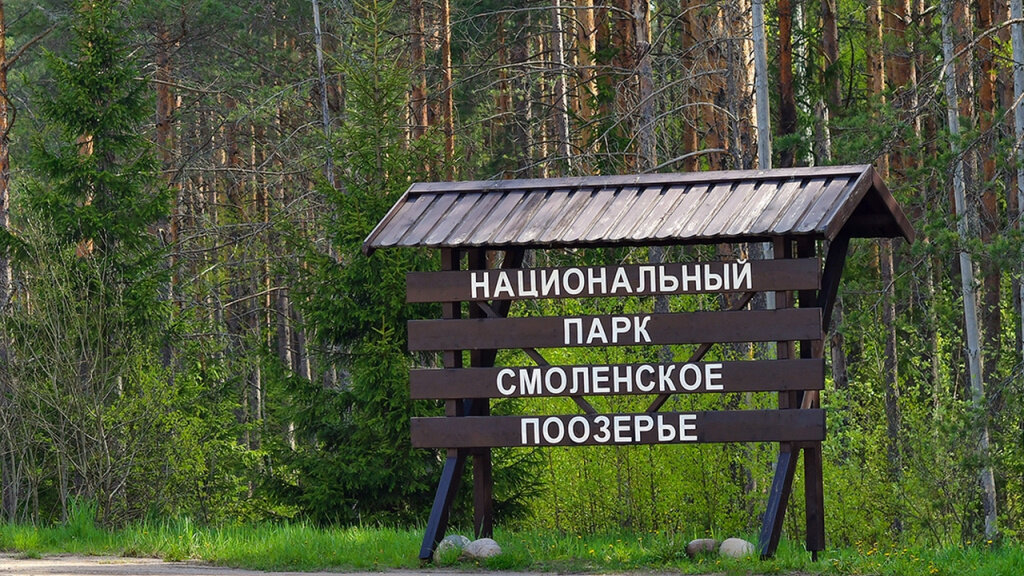
National parks attract tourists with their unique landscapes, clean air and water, and the opportunity to observe wild animals in their natural habitats. There are 49 national parks scattered across Russia, some of them located in truly remote places so it’s really hard to reach them, so get ready for an adventure.
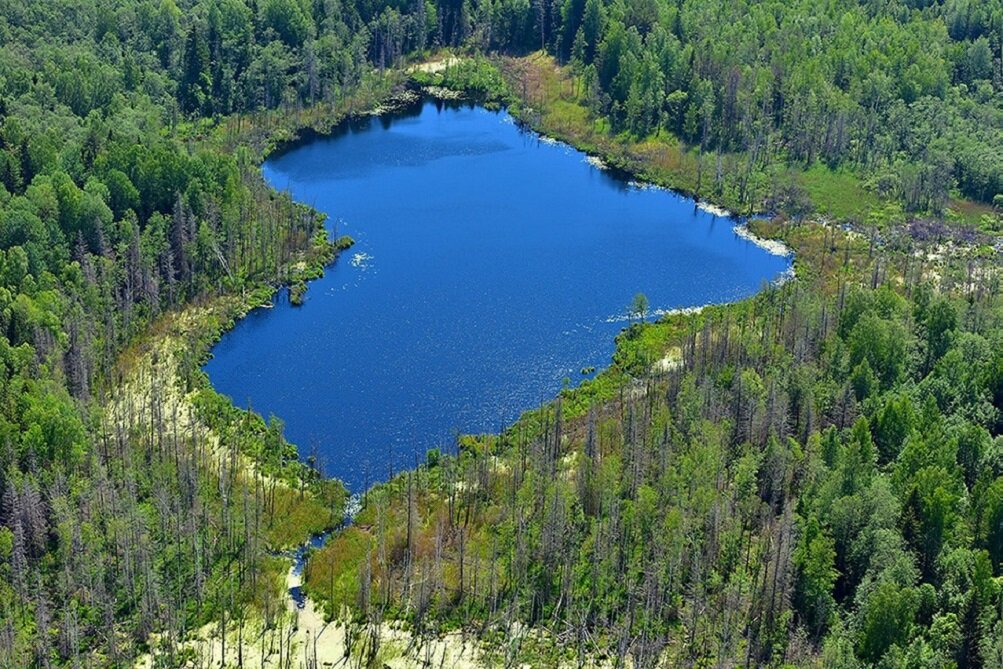
The territory of this National Park is covered with thick spruce forests among which 35 lakes of glacial origin are hidden. The forests are populated by wolf, fox, bear, wild boar, and ermine, as well as by rare birds including black-throated loon, golden eagle, peregrine falcon, and black stork. There are historical sites too: a hill where the ancient town of Verzhavsk was located with the reconstructed pagan sanctuary, the Museum of famous natural scientist N.M. Przhevalsky, the Museum of Partisan Fame, and the private Birchbark Museum. There are a lot of routes about the park. It should be noted that visitors leave controversial reviews about their interaction with the park authorities.
History
The territory of the Smolensk Lakes has been inhabited since ancient times, and archaeological remains are found throughout the park. The earliest flint tools date to the Mesolithic Age, there are 17 known Neolithic sites, and about 25 Bronze Age memorials. In modern times, 123 villages have been recorded in the region. The park includes a resort town, Przhevalskoye, on the shores of Lake Sapsho.
Animals
A census of animals in the park recorded 54 mammal species, 232 bird species, and 37 species of fish. In 2012, the World Wildlife Fund initiated a project entitled "Conservation and restoration of rare bird species in large wetlands of Smolensk Lakeland National Park"
Plants
The park is designed to cover many different habits in a small, contiguous place. These habitats include pine forests, spruce forests, broad-leaf forests, bogs, sedge meadows along the banks for rivers and lakes, dry meadows, and water habitat itself. A review of tree cover percentages reported spruce (16%), pine (12%), birch (38%), aspen (13%), and black alder (6%).
Climate
Smolenskoye Poozerye is towards the eastern end of the Sarmatic mixed forests ecoregion (WWF ID#436), which runs from southern Sweden across the Baltic states and central eastern Europe (including Moscow) to the Ural Mountains.
Tourism
The park is developed with recreational facilities. Nature trails, bike trails, horse trials, and water tourist routes are maintained. There are guided tours for bird-watching, historical-cultural site visits, and scientific education. The park administers 32 tourist shelters, and 30 guest houses. The park's administration estimates that there are 230,000-250,000 visitors per year, most of whom are local.