Простой текст на английском и русском языках элементарного уровня сложности A2. Читайте вслух, старайтесь переводить самостоятельно, обращайте внимание на времена.
Soft drinks
What is a soft drink? The term itself helps us to understand this. A soft drink is any drink that isn’t ‘hard’, that is, non-alcoholic. Technically, tea and drinking water are also considered soft drinks. But usually when talking about soft drinks people mean sweet carbonated drinks. Such drinks can also be called ‘pop’, ‘fizz’, or ‘soda’.
Two types of sweet drinks made way for soft drinks to emerge. In the Middle East, sharbat (or sherbet) has been a popular sweet drink since the medieval times. It is served cold, and is usually made of rose water, lemons, oranges and fragrant herbs. In Western Europe, lemonade has been a popular drink since the 17th century. It was made with drinking water, honey and lemon juice.
But the real soft drinks were made possible only with the appearance of carbonated water (also called sparkling, fizzy, or seltzer water). English chemist Joseph Priestley invented it by accident in 1767. Mass production of carbonated water in Europe began in 1781. Carbonated water usually was sold in pharmacies. It was advertised as having a good effect on the overall health of a consumer. Soon enough, first attempts at sweetening were made by various apothecaries. One of more popular drinks was carbonated water mixed with quinine. It was thought to prevent malaria. This ‘tonic water’ would later be a foundation of a mixed gin and tonic drink.
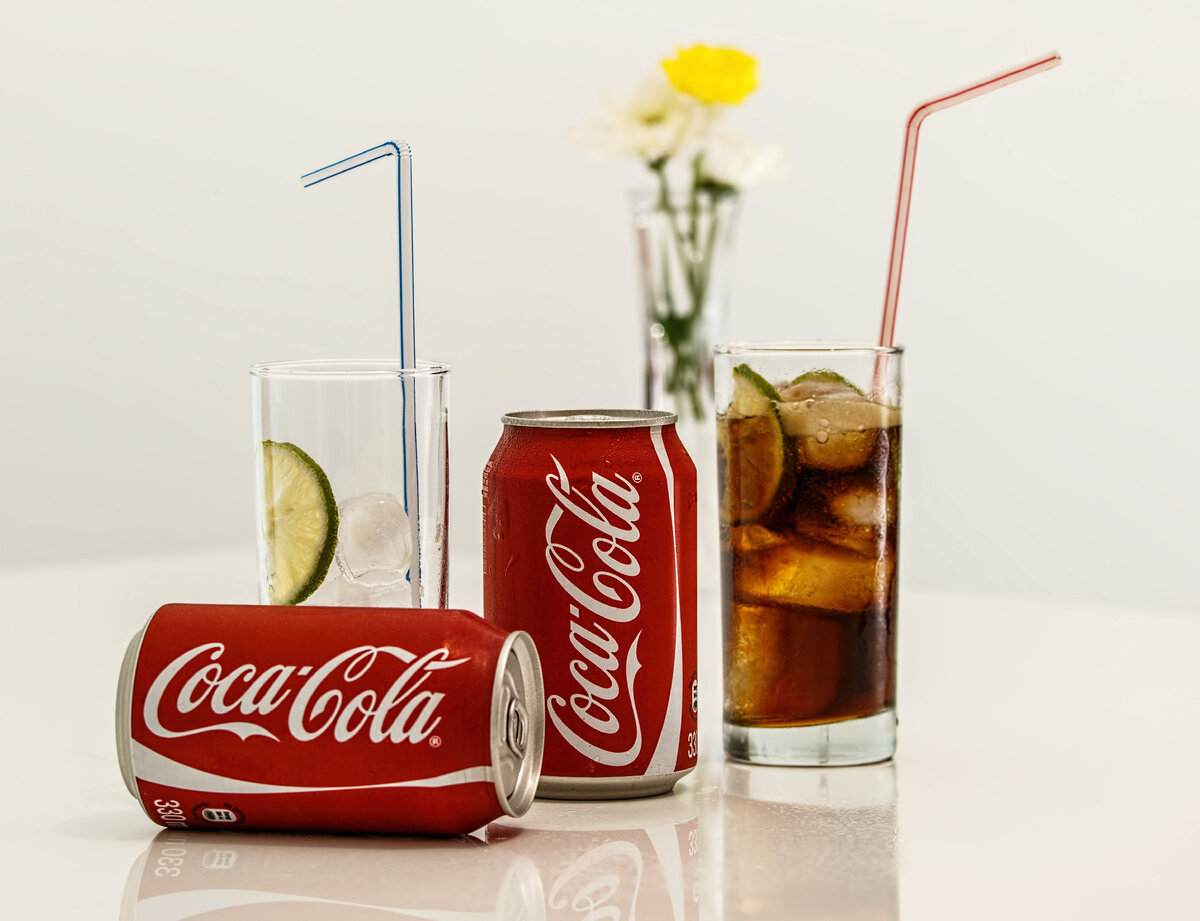
Another major breakthrough in the industry was usage of a kola nut. In the late 19th century, two American pharmacists, John Pemberton and Caleb Bradham, independently of each other added an extract of kola to their carbonated drinks. The result, which today we call a cola drink, is now one of the most popular soft drinks worldwide. Two companies were founded to sell both drinks, and those two companies became bitter rivals very fast. This rivalry is still going strong nowadays. The recipes for those drinks are guarded as very valuable trade secrets.
In the first half of the 20th century, a metal can to hold carbonated drinks was invented. Soda vending machines have also appeared as a distinct part of any mall or small restaurant in the USA. The soft drink industry has grown to be one of the largest out there. An average person in the USA would consume as much as 150 litres of soft drinks per year as of 2019. This obsession with soft drinks was reflected in some satirical works of art, and signifies major health concerns possibly for anyone out there.
Подсказки:
1 -considered – считаются;
2 -carbonated – газированный;
3 -made way – расчистил дорогу;
4 -emerge (контекст.) – появиться;
5 -fragrant – с приятным запахом;
6 -honey – мёд;
7 -appearance (контекст.) – появление;
8 -by accident – случайно;
9 -pharmacies – аптеки;
10 -advertised – рекламировалось;
11 -consumer – потребитель;
12 -apothecaries – фармацевты;
13 -quinine – хинин;
14 -prevent – предотвращать;
15 -breakthrough – прорыв;
16 -independently – независимо;
17 -founded – основан;
18 -rivals – соперники;
19 -valuable – ценный;
20 -mall – торговый центр;
21 -obsession – одержимость;
22 -reflected – отражено;
23 -signifies – подчёркивает;
24 -concerns (контекст.) – беспокойства, проблемы, заботы.
Тест