(This is an full version of the book G.Vorobyova )

AstroMelanin is a drug of a wide spectrum of action, unique in nature.
The therapeutic effect of AstroMelanin has been identified in oncology, neurology, gastrology, traumatology, gastroenterology, cardiology, gynecology and other areas of medicine.
It is a powdery high-polymer substance of natural (microbial) origin, extracted from the biomass of the Antarctic black yeast, which belongs to extremophiles. By the end of the twentieth century, AstroMelanin was recognized by Russian and foreign scientists.
The society owes the creation of this drug to Svetlana Lyakh, who devoted several decades to research, obtaining and using it in medicine and veterinary practice.
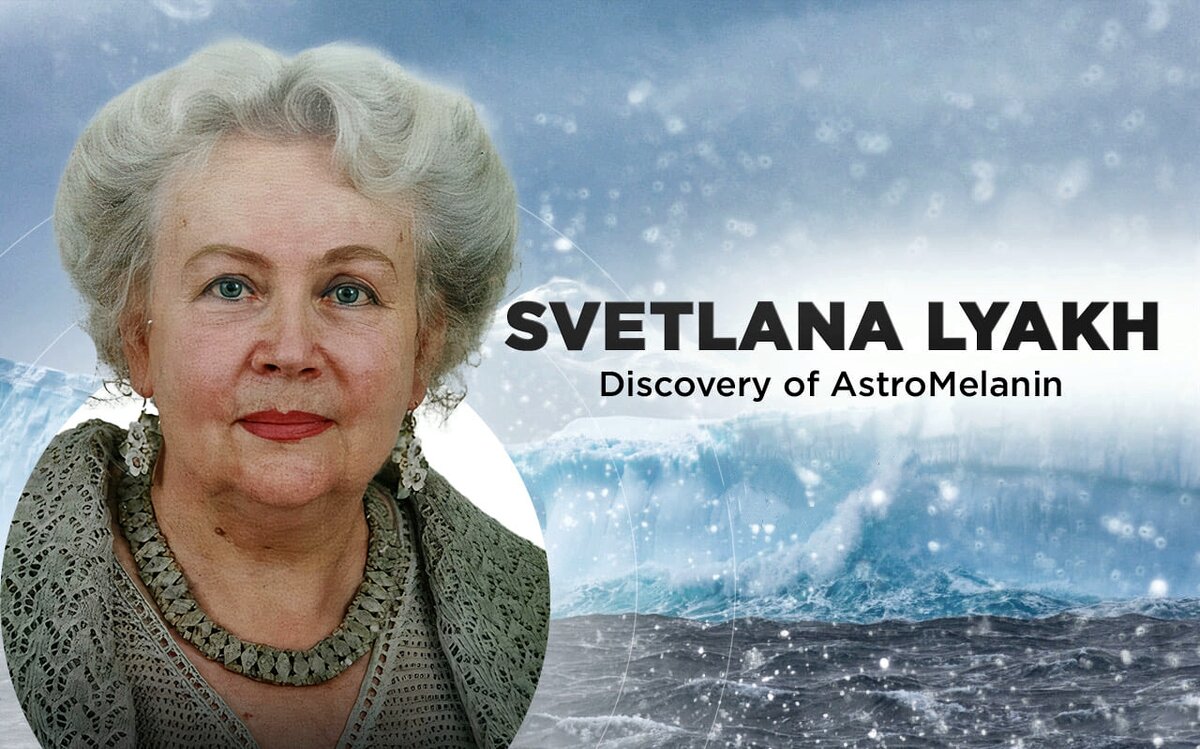
Svetlana’s deep research on the synthesis of microbial melanin began in 1966 when she was performing her dissertation work at the INMI of the USSR Academy of Sciences under the guidance of Evgenia Ruban, Doctor of Biological Sciences.
She was very interested in black yeast, which synthesizes melanin. Evgenia Ruban isolated the culture of this yeast from a soil sample taken by her husband, polar artist Igor Ruban, during an Antarctic expedition in 1957.
The strain of black melanin-synthesizing yeast attracted the attention of Svetlana Lyakh due to the extreme living conditions of these microorganisms in Antarctica: low humidity, low temperatures, alternating freezing and thawing, minimal precipitation, high sublimation and evaporation, drying winds, salinity of soils and few water bodies, high radiation weak magnetic field, minimal or no organic matter content.
Svetlana Lyakh was convinced that Antarctica as an environment makes special demands on microorganisms. The main characteristic of the Antarctic microflora should be its high tolerance, vitality and adaptation to stressful situations.
This adaptability of microorganisms should be expressed not only in the ability to find in such an environment everything necessary to maintain life, but also in protection from damaging effects. Studying the literature on microorganisms capable of synthesizing melanin pigments, Svetlana Lyakh came to the conviction that melanin pigments are the "ideal" acquisition of microorganisms capable of absorbing heat and at the same time protecting cellular structures from harmful ultraviolet rays.
From a physiological point of view, for the performance of this dual function, an essential point is the superficial localization of the pigment in the cell wall; in this case, the cell never remains "naked".
Knowing what extreme conditions Antarctic microorganisms are in, Svetlana Lyakh made a very reasonable assumption that microorganisms are "forced" to create and improve mechanisms, as well as synthesize substances, which help them to survive and actively function in these conditions.
She had no doubt that some of these substances were of great interest as medicines for humans and animals. We see that AstroMelanin fully justified this concept of Svetlana Lyakh. The melanin theme was completely new for both Evgenia Ruban and Svetlana Lyakh.
Together with the strain of black melanin-synthesizing yeast, Evgenia Ruban gave Svetlana Lyakh only four literary references to her works on melaninogenesis. Due to the great interest in the chosen topic and incredible performance, the list of literature sources for the dissertation amounted to 629 publications.
Before talking in detail about the merits of the universal remedy AstroMelanin, you should get to know its creator, Svetlana Lyakh, more closely.
Friends and colleagues of Svetlana Lyakh have always amazed and still do not cease to amaze her personal qualities: the ability for scientific work, hard work, dedication, scientific intuition, an irresistible urge to deepen the knowledge associated with obtaining AstroMelanin as a universal therapeutic agent. Svetlana Lyakh told about herself very interesting in her autobiographical book "Do not shy away from fate." In this story, she pointed out that her fate was predetermined by the position of the planets at the time of her birth (Capricorn and the North lunar node).
She was born on March 23, 1936. In the book "Practical Astrology", it is indicated that a person born in these conditions has wide-ranging actions, and the results of his work are fraught with far-reaching consequences and amaze the imagination of society.
Indeed, the astrological predictions came true, and the results of her work on the creation of AstroMelanin were very successful. Svetlana Lyakh is very educated, and she can in no way be called an intellectual of the first generation. Her parents were also gifted people.
Svetlana’s mother, Valentina Mikhailenko, knew German perfectly and taught it at the Dzerzhinsky Military Academy before World War II. Svetlana’s father Pavel Lyakh worked at “Politizdat” (Politic Publishing). He wrote poetry (which, unfortunately, disappeared during the war).
One very important and tragic event in the Svetlana’s life should be told.
At the beginning of the war, she with her younger sister and their grandmother were evacuated to Central Asia. There, the grandmother soon died, and some people brought the girls first to Moscow, and then to their mother, who was in the frontline zone and worked as the head of the investigative unit of the intelligence department of the Western Front. From June 1943 until the end of the war, the children were with their mother. They lived in a tent in the forest and shared with their mother all the hardships of a camp life. In 1943, Svetlana Lyakh got wounded and lost the ability to speak. She has not spoken for 40 years. At school, university, graduate school, she explained herself to teachers during her studies and exams with the help of notes.
Despite her ailment, she did well in school, university and graduate school. She was constantly self-educating herself.
During her summer student practice, she found the opportunity to study Italian and Spanish, communicating with foreign students studying with her on the same course at Moscow State University. Despite the fact that Svetlana graduated from the Department of Botany, she was interested in microbiology as well.
She attended lectures and workshops in microbiology, studied microbiological research methods. All this was useful to her in work on her thesis on microbial melaninogenesis. As the main object of her dissertation work, Svetlana Lyakh chose black melanin-synthesizing yeast isolated from a soil sample taken in Antarctica.
For a long time the topic was not approved. With a great risk of being left without a thesis, Svetlana Lyakh insisted on doing melaninogenesis. She deeply and seriously studied the physiology and biochemistry of microorganisms that synthesize melanin. She began her research with Antarctic black yeast by determining their systematic position among microorganisms with the same properties.
Having studied the literature on the taxonomy of microorganisms, she did not find any similarities between the Antarctic strain and microorganisms that synthesize melanin.
However, some similarity of black Antarctic yeast was found with the culture of Nadsoniella nigra, described by Academician B. Isachenko. This culture was isolated by him at the beginning of the last century from the soil of the Catherine Bay of the Arctic Ocean. It was assigned by him to any systematic group and was not included in any of the identifiers of microorganisms. Due to some similarity with the microorganism isolated by Academician Isachenko, the 365 Antarctic yeast strain was named Nadsoniella nigra var hesuelika (at the place of discovery).
First, Svetlana Lyakh very carefully studied the morphology of the Antarctic black yeast and made sure that the Antarctic culture is similar to yeast both in cell shape and in the type of budding (cell division).
To study the localization of the pigment (melanin), electron microscopy was required. Svetlana began to master the methods of electron microscopy. She was helped by a great specialist Tatyana Kozlova.
As a result of these studies, it turned out that melanin granules are localized in the outer layer of the cell wall at the border of the living cell and the aggressive Antarctic environment. Based on these studies, Svetlana Lyakh suggested that the function of the pigment is protective.
However, in order to prove this, she had to turn for help to chemists at the Institute of Chemical Physics of the Academy of Sciences of the USSR, where were devices to study synthetic melanins. For a more deep study of "Antarctic" melanin's properties, she had to contact the VNIVI Institute.
Having carefully studied the structure of synthetic and natural melanins, Svetlana Lyakh was convinced that the melanin synthesized by black Antarctic yeast differs significantly from other studied melanins. This was also confirmed by a specialist working on an electronic paramagnetic resonance device.
Checking melanin synthesized by Antarctic black yeast, Svetlana made sure that the concentration of paramagnetic centers in it was very high: 1010 per 1 g of substance.
It should be said that the melanopigment of the Antarctic strain was the first microbial pigment in which stable free radicals were found, and even in such a high concentration.
At the Institute of Antibiotics, it was possible to determine the resistance of Antarctic yeast to ultraviolet light with a wavelength of 254 nm and the protective role of a pure melanin solution when white yeast cells are irradiated in it. In addition to the effect of ultraviolet rays on melanin-synthesizing yeasts, Svetlana Lyakh investigated (at the Institute of Genetics) their resistance to X-rays and gamma -rays.
The results of these experiments startled her. Even pigment mutants were obtained by irradiating black yeast with very large doses of radiation.
Performing her dissertation work, Svetlana Pavlovna showed incredible efficiency and presented it to the INMI management on time.
The volume of the dissertation was 578 pages of typewritten text, and it turned out to be 2 volumes. Both Svetlana Lyakh and Evgenia Ruban began to worry about the question: which of the opponents would undertake to read such a volume? Indeed, in terms of volume and content, Svetlana's Ph.D. work fully corresponded to her doctoral dissertation.
But the topic related to melaninogenesis of yeast cells interested the leading specialist in the functional morphology of yeast, corresponding member of the USSR Academy of Sciences, Professor Maxim N. Meisel.
Maxim Meisel liked Svetlana Lyakh's dissertation very much and gave it a positive review. She had a review of her dissertation written in his own hand.
Until that time, Svetlana Lyakh was proud of the extract from this review, which belongs to the scientists of microbiologists of USSR: “S. P. Lyakh showed an example of amazing scientific courage, extraordinary purposefulness and love for science. "
Svetlana Lyakh defended her dissertation in 1970.
The legal department of the Higher Attestation Commission gave official permission to read the report and answers to questions to the head of the thesis, Evgenia Ruban.
The defense of the dissertation was successful with a unanimous vote.
Three monographs were written by Svetlana Lyakh based on the research results presented in her dissertation. Study of the physiology of melanin-synthesizing black Antarctic yeast, the discovery of the protective properties of melanin in the outer layer of the cell walls of yeast, the difference between microbial melanin from other melanin pigments, the detection of a stable content of free radicals in very high concentrations in pigments, the resistance of melaninopigment to harsh ultraviolet radiation (354 nm), and also X-ray and gamma radiation attracted the attention of leading scientists in biology.
Of great interest were the studies of Svetlana Lyakh, connected with the melanin solution’s protective role on the white yeast cells, irradiated with high doses of ultraviolet rays.
After positive reviews about the dissertation and monographs of Svetlana Lyakh, the director of INMI (he was also the chairman of the academic council), academician Imshenetsky, realized that he was dealing with a researcher with deep knowledge, high intelligence, scientific intuition and incredible diligence, allowing her to solve complex issues in a fairly short time in disclosing the patterns of microbial melaninogenesis.
Alas! He was not interested in questions related to the synthesis of melanin by Antarctic black yeast. He was so far from realizing the importance of continuing these studies and the possibility of using microbial melanin to create medicinal drugs used in medical and veterinary medicine.
Instead of giving Svetlana Lyakh an opportunity to work peacefully and successfully under the guidance of E. L. Ruban on the problem of melaninogenesis, a month and a half before defending her dissertation, he pushed her to move from Ruban to his department and work on his subject. Of course she refused.
Soon (and this is just before the defense of her dissertation!) Svetlana learned that she had been expelled from the institute due to the end of her postgraduate studies. It was a great challenge for her to be left without work with a child in her arms. Evgenia Ruban came to the rescue again.
She turned for help to the director of Institute of Biochemistry and Physiology of Microorganisms (IBFM) Academic G. K. Scriabin and asked to hire Svetlana Lyakh. He agreed (in defiance of academician Imshenetsky, with whom he had not quite friendly relationship). However, instead of working on melanin, Academician Scriabin suggested Svetlana to work on a different topic. Melanin hasn't interest him either.
Evgenia Ruban again turned to Academician Imshenetsky with a request to take Svetlana Pavlovna to INMI. This time Academician Imshenetskiy agreed to accept her in his department as a junior research staff member. He even took the initiative to approach to the President of the Academy of Sciences of the USSR to transfer her from the IBFM to the INMI.
He promised Yevgenia Ruban that Svetlana Lyakh would deal with melaninogenesis. Unfortunately , he did not keep his promise. After entered Imshenetskiy’s department, Svetlana Lyakh again lost the opportunity to deal with the problem of her interest.
Having accepted the talented, educated and hardworking Svetlana Lyakh into his department, Academician Imshenetskiy, apparently, endowed her with the role of a "goldfish", which independently and efficiently will fulfill the theme entrusted to her. He gave her a new topic, which she wrote down on a piece of paper, but then lost that piece of paper. In order not to tell Imshenetsky about her loss, but still remember the task that he gave her, she decided to approach him and say that she was asking for his advice on how to study a new topic.
Instead of explaining to her the essence of the upcoming work, which she has to do, Alexander Imshenetskiy was surprised at such a question from a person who had just defended a dissertation. He considered it possible to advise her to turn to the Great Soviet Encyclopedia to find out in more detail about the substance that she will be dealing with.
With some bewilderment, he told her: "Take the Great Soviet Encyclopedia with the letter A, find the word acetylcholinesterase and read first what is there."
Apparently, he hoped for her independence, hard work, scientific intuition in working on a new topic. Despite the fact that Svetlana Lyakh was not interested in the topic proposed to her at all, she conscientiously studied the literature on this topic and even wrote two reviews.
However, having penetrated into the essence of the issue with her inherent thoroughness and analysis, she realized: that topic could not be solved using a bacterial object. She tried to explain this to Imshenetsky, but he did not believe her, and she had to engage in experimental work doomed to failure. Seeing the unsuccessful efforts of Svetlana Lyakh to solve the problem, Imshenetsky passed this topic on to a group of other employees. They worked for a long time and with no success as well.
After Svetlana Lyakh and other employees of the department confirmed the impossibility of solving the problem of acetylcholinesterase at the microbial object. Relations between Svetlana and Imshenetsky became complicated. She retained an interest and dedication to microbial melaninogenesis, and he could not provide her with a single topic that would fascinate her as much as melanin synthesis.
Imshenetsky changed her themes one after another, but she did not have the physical ability to carry them out on time. In addition, he was jealous of her visits to Evgeniya Ruban. A new outbreak of dissatisfaction with Svetlana Lyakh's behavior on the part of the INMI director occurred in 1972, when the book "Microbial Melanins" was published jointly with E. L. Ruban.
Surprise (as well as bewilderment) caused the fact that Academician Imshenetsky could not properly evaluate the creative union of Svetlana Lyakh and Evgenia Ruban, which is a great acquisition for science in general and for INMI in particular. Forgetting that Evgenia Ruban has been the head of Svetlana’s dissertation work, Imshenetskiy began to express dissatisfaction with Svetlana’s visits to her.
He could not get used to the idea that he was unable to keep under control this smart and talented woman, who was keen on the idea of deep study of the processes of microbial melaninogenesis.
The materials of Svetlana Lyakh's dissertation formed the basis for the creation of three monographs. However, Svetlana faced great difficulties in the design and preparation of them for printing. These pioneering works in the field of microbial milleninogenesis were created during free time from work: through vacations, weekends and sometimes at night.
Each monograph was of great value to science. Trying to use the scientific potential and hard work of Svetlana Lyakh, Imshenetsky decided to attach her to two of his other employees in order to use her scientific advantages to select literature for their dissertations.
Svetlana Lyakh followed the director's instructions, but even during that period, she continued to remain faithful to the problem of melaninogenesis. With one of her charges, she carried out a very important experimental work for herself: the effect of a deep vacuum on the walls of black melanin-synthesizing yeast.
She found out that they are very resistant to this extreme factor. Working with another employee, she conducted research on the effect of low temperatures on microorganisms. She collected a lot of material on microorganisms and even on "psychrophiles", which prefer low temperatures.
In her free time, Svetlana Lyakh began to write an unscheduled monograph called "Adaptation of microorganisms to low temperatures". The monograph was edited by Tamara A. Daneva, whom Svetlana met when she has wrote the first monograph and reviews for the digest "Successes of Microbiology". When both the typing and the proofreading were ready, Imshenetsky called the “Science” publishing house and demanded to remove the set, stating that the monograph was bad and he was ready to give negative reviews. Despite that, especially good reviews were received from Professors Lozina Lozinsky and Brown. Imshenetsky had no choice but to recommend the monograph for publication.
However, the publication of this monograph again exacerbated Imshenetsky's hostility towards Svetlana Lyakh. According to Imshenetsky, "psychrophiles" did not existed in nature, and that was despite the fact of proven by Svetlana Lyakh in her dissertation existence of "psychrophiles" itself and the literary material she selected for the monograph and, finally, by research, which at the beginning of the twentieth century was carried out by Academician Isachenko, who isolated the melanin-synthesizing microorganism Nadsoniella niger from the water of the Catherine harbor of the Arctic Ocean. He published a work entitled "Research on the bacteria of the Arctic Ocean".
Therefore, the embarrassment of the staff of the Institute of Medical and Biological Problems, when Professor Evgeny A. Kovalenko, invited Svetlana Lyakh, as the author of a monograph on psychrophiles, to participate in the conference "Transport and utilization of oxygen in hypothermia".
The director of INMI was against Lyakh's trip to the conference, but the organizers were very persistent, and Svetlana took part in it.
The conference was organized in the Elbrus region. Her report was read by Professor Kovalenko (she herself could not read it). At this time, she preferred to be on an excursion to the glacier in the mountains, where cosmic dust is collected.
Svetlana recalls with delight the most beautiful landscapes of the Elbrus region, but she had to descend from the mountains with bloody, strained legs. Doctors, participants of the conference, provided her with the necessary assistance.
When she returned to Moscow after the conference and appeared at INMI, Svetlana Lyakh found out that Imshenetsky (for the umpteenth time) changed her research topic. Despite that, she still hoped to work on melaninogenesis, so she began collecting and analyzing articles on this issue.
On the basis of the collected publications, Svetlana wrote another monograph, calling it "Microbial melaninogenesis and its functions."
For the Institute and Svetlana Lyakh, this monograph was also unplanned. However, according to the plan of the publishing house "Science" it was planned for 1981 and at the end of the year was to be presented to the publishing house.
Imshenetsky again expressed a negative opinion about the monograph and began to obstruct its publication, without really explaining the reason for such an attitude towards it and its author.
He said to Svetlana Lyakh that "this monograph will be published only through his corpse."
Svetlana, angry to the limit, suddenly (almost without hesitation) said that it would not stop her ...
Shocked by such stubbornness of the author, Imshenetsky left the office and after a while the secretary of the institute told the agitated and angry Svetlana Lyakh that the director had signed permission for the publication of the monograph. And the monograph was published in 1981 by the publishing house "Science", multiplying the scientific achievement of USSR in the field of research related to the synthesis of melanin in microorganisms.
After the publication of the monograph in the journal "Mycology and Phytopathology" there was an excellent review of this work by A.K. Kosyanenko and V.M.Shevtsova (Academy of Sciences of the Tajik SSR), in which the reviewers highly appreciated the merits of the book and wished the author success in further work on melaninogenesis in microorganisms.
After reading such a review, Svetlana Lyakh exclaimed: "If only they knew what position the author is in!" Indeed, it is difficult to objectively assess the reason for such a negative attitude of the director of INMI Academician Imshenetsky to serious, deep, well-grounded and useful for science publications (and, above all, monographs) that Svetlana Lyakh created despite her health, rest and combining her creative efforts with the attention she paid to the upbringing of her children, her family.
The "duel" with the director of INMI Imshenetskiy for his permission to publish the last monograph greatly undermined the health of Svetlana Lyakh. Her immunity has dropped. Sick with the flu, with high blood pressure, she finished reading the last page of the bibliography almost in a swoon.
She was unable to take the monograph to the publishing house and asked her stepfather to do it. She herself was so weak that, getting up from the table, she fell to the floor. The doctors who arrived in the ambulance diagnosed her with hypertensive crisis with cerebral edema. The doctors decided that she was not transportable and left her at home.
Svetlana Lyakh recovered very slowly. Soon the book was already in her hands, but this victory was won at the cost of her health and therefore did not deliver the joy that one would expect.
Returning to the Institute after an illness, Svetlana Lyakh noticed that the situation in it was unhealthy. She became an unwilling witness to the struggle for spheres of influence, since she worked in the department where the administrative, party and trade union leadership of the Institute were concentrated. As a sincere and objective person, Svetlana Lyakh was involved in the showdown taking place in the party bureau of the Institute (although she never had anything to do with the CPSU). Moreover, when she expressed her opinion about the situation, she was accused of trying to discredit the CPSU.
About it was written in her testimonial, which was read out at the Academic Council with the decision not to approve the position of a junior researcher (and this is after three monographs and numerous publications in leading academic journals!).
An entry appeared in the workbook of Svetlana Lyakh: "Transferred to the position of senior engineer by order of 192 k".
However,as this was not enough, the director of INMI, Academician Imshenetsky, in order to somehow justify his unsightly act towards Svetlana Lyakh, decided to call the academic polyclinic and inform that “is it possible to put S.P. Lyakh to a psychiatric hospital. " He was told that "Longoneurosis, even the most severe, does not give such grounds, and according to all other indicators, S.P. Lyakh is quite healthy."
After Svetlana’s demotion in office, the moral climate for her became almost unbearable. Some of the colleagues around her were outspoken ill-wishers (they were offended by her scientific potential, independence, and even her appearance). There were also neutral and even sympathetic people in INMI, but they showed this sympathy when there was no stranger, and no one could see or hear this sympathy.
Despite the extreme situation for her at INMI, Svetlana Lyakh continued to work there and stubbornly engage in microbial melaninogenesis.
In laboratory conditions, she developed the modes of melanin extraction from yeast biomass, its purification from impurities and crystallization. Melanin, isolated from the cell wall of yeast, turned into a black crystalline powder, which soon became known as AstroMelanin and show its medicinal properties in medicine and veterinary medicine.
Svetlana Lyakh even decided to write a new monograph on a topic related to the synthesis of microbial melanin. The title of this monograph was: "Microflora of Antarctica: Problems of Adaptation".
Manuscripts, sketches and the first chapters of the monograph were kept in boxes on the loggia in Svetlana's apartment. Unfortunately, this monograph has not been published. Apparently, those incredible efforts that she spent on getting the permission of the director of INMI to publish the previous monographs remained in her memory. She burned the manuscript of this monograph when she retired.
Recalling this sad event, she spoke very figuratively about that. That after burning the manuscript in the boxes in which she was keeping it, she applied soil from the Yauza bank and planted tomatoes in it. The plants grew up to the ceiling, and the fruits were by a kilogram. In her opinion, "the boxes retained the energy of wasted labor."
After the tomato, grapes were grown in these boxes for several years in a row. "In the fall, the leaves of the grapes shared red as blood, and the berries as black as melanin."
In the last years of Svetlana’s stay, the director was replaced at INMI. After her demotion, she was not loaded with any special work.
Academician Imshenetsky continued to be the head of the department. Svetlana Lyakh has repeatedly submitted to him a letter of resignation from the Institute, but each time he tore up this application. Moreover, he began to often come to her workplace and talk to her. He told her about his childhood.
Of course, she did not forget all the intrigues in relation to her when she worked at INMI and especially in his department. But the sight of an aging academic in need of communication with her and her sympathy aroused pity in her. After numerous attempts to sign her letter of resignation from the Institute at Imshenetsky, Svetlana Lyakh turned to the new director of INMI, who nevertheless signed it with some hesitation.
Finally, she found freedom. Svetlana Lyakh compared her stay at INMI with fifteen years of hard labor.
The discomfort and depressing moral state of Svetlana Lyakh were associated with the negative attitude of Academician Imshenetsky to the problem of microbial melaninogenesis, which Svetlana was engaged in with such interest and enthusiasm.
Throughout the entire time of Svetlana Lyakh's work at INMI, Academician Imshenetsky was never able to interest the young talented employee in any of the scientific problems that he proposed to her. Her personality irritated him. She did not give him the opportunity to use herself to solve problems of interest to him. Therefore, work at INMI, where she was prevented from engaging in her favorite topic and prevented from publishing her wonderful monographs, was unbearable and compared by her to slave labor in galleys.
And yet, it should be noted that INMI played a certain positive role in the fate of Svetlana Lyakh. After all, it was Evgenia L. Ruban, who saw in a hardworking and inquisitive woman a desire and interest to work with microorganisms brought from Antarctica that synthesize melanin.
Evgenia Ruban created a favorable climate for Svetlana's dissertation work. She helped her in communicating with the workers of the preparatory and other auxiliary services of the institute (since Svetlana Lyakh could not speak).
Evgenia Ruban spent a lot of effort and energy on the employment of Svetlana Lyakh, when she was expelled from graduate school (due to the end of her stay in it).
Of course, if Svetlana Lyakh was given the opportunity to work in Evgenia Ruban's department, she would have no reason to compare her stay at INMI with the fate of galley slaves and would not have to burn her fourth monograph.
After the new director signed the letter of her resignation, Svetlana Lyakh left INMI. She recalls that on the day of her departure from the Institute, the weather was nasty: rain, slush, and gloomy winter twilight. She felt free and happy. That feeling remained in her memories for all subsequent years.
Despite the joy of being "liberated" from the intolerable environment, she felt tired and sick. However, she needed to get a job.
Firstly, she had a family, and secondly, she was worried about the continuity of experience. Her friend Irina Khruleva helped her to find a new job. She arranged for Svetlana at the All-Russian Research Institute of State Patent Examination (VNIIGPE).
In the department of food industry and biotechnology, where Svetlana Lyakh got a job, good people worked, who warmly accepted her into their team.
From the very first days of her work at the All-Russian Research Institute, Svetlana Lyakh was assisted in mastering the skills of working on patent examination. Colleagues were so attentive and kind to her that she still remembers their names and surnames.
The working conditions at the new place were uncomfortable: cramped conditions, dim light and mountains of folders, and most importantly, "the melanin yearning was stifling."
However, she successfully studied a new business. Her hard work and curiosity helped her to master a new specialty. She worked under the direct supervision of Nikolai G. Rybalsky, with whom she wrote and published three books: "Consortia of microorganisms" (1989), "Patentability of consortia of microorganisms" (1989) and "Ecobiotechnological potential of consortia of microorganisms" (1990), total of 600 pages of typographic text.
Of course, these books were interesting and useful for microbiologists and biotechnologists, but Svetlana Lyakh continued to be depressed by melanin yearning...
However, it should be said that, thanks to her publications on melaninogenesis, she has become very popular among microbiologists and biotechnologists. She was invited to participate in the conference twice.
Back in 1978, the staff of the Institute of Medical and Biological Problems invited Svetlana Lyakh to the conference "Transport and utilization of oxygen in hypothermia" as the author of a book about psychrophiles.
The second invitation to the conference “Organisms. Populations, communities in extreme conditions” came to the home address of S.P. Lyakh. The organizing committee was surprised that Svetlana Lyakh did not work at INMI (the address of the Institute of Microbiology of the USSR Academy of Sciences was indicated on the monograph)
Interested in her work, the Organizing Committee of the Conference decided that she has been a Doctor of Science and the head of a large laboratory. To the amazement of the members of the Organizing Committee, things turned out to be different, however, Svetlana Lyakh's report was accepted, and at the evening session on the opening day of the conference her colleagues listened to it with great interest.
Work at VNIIGPE was not without benefit for Svetlana Lyakh. She professionally filed patents for her developments for the production and use of AstroMelanin in medicine and veterinary medicine. Through this organization, she popularized her research on AstroMelanin in international forums. In 1998, on the recommendation of the Department of Medicine of VNIIGPE, AstroMelanin first came to the International Salon of Inventions "Eureka" in Brussels.
Each time at the exhibitions, Svetlana Lyakh showed one side of AstroMelanin's action: the microorganism, the substance itself and aspects of melanotherapy (treatment with AstroMelanin), in particular, remote melanoreflexotherapy.
For her work, Svetlana Lyakh received 11 medals. Each trip to the International Salon was preceded by a thorough arrangement. Svetlana Lyakh prepared the report and exhibits, and the artist of the organization that arranged the trip made the posters.
For a long time they could not come up with a symbol for AstroMelanin. Finally, Svetlana Lyakh saw a pyramid on the surface of a mirror standing on a bookshelf, and realized that the pyramid could be a symbol of AstroMelanin.
AstroMelanin's triumphal march through international exhibitions and salons contributed to the growth of its popularity as a remedy for humans and animals.
This drug owes its appearance, existence, as well as the manifestation of universal healing properties to Svetlana P. Lyakh, who studied the physiology and optimal conditions for growing microorganisms that synthesize melanin, developed modes for isolating and purifying it from impurities and obtaining it in a crystalline form.
To date, AstroMelanin has saved the lives of many people. More details about its medicinal properties are described in the monograph “AstroMelanin” written by Svetlana Lyakh (2007).
Before continuing the description of this unique drug and its medicinal properties, in my story I would like to dwell in more detail on the personality of Svetlana P. Lyakh herself. Diligence, dedication, scientific intuition and unyielding will contributed to the creation of AstroMelanin.
Svetlana Lyakh was a graduate of Moscow State University, candidate of biological sciences, full member of the International Academy of Informatization at the UN, Laureate of the International Competition "Elite" of information scientists of the world-2002, author of seven scientific monographs. Her inventions related to the creation and use of AstroMelanin for medicinal purposes received 11 international medals at competitions in Brussels, Paris, Moscow and other exhibitions. She was the author of seven RF patents for developments related to AstroMelanin. It should be emphasized that AstroMelanin is the property of Russia.
Despite the fact that the main leitmotif of her professional activity was the work on the creation of AstroMelanin and she proved herself as a deep researcher and scientist, she was also known as a poet who wrote a whole series of wonderful lyric poems.
She has written and published 20 lyric books. Composer Vladimir I. Patrushev wrote 30 romances and songs based on her poems.
Svetlana Lyakh was a very educated person. Her intellectual potential was so deep that it surprises and delights the people with whom she communicated.
She loved and deeply felt nature. She was a botanist by profession; therefore, she was engaged in plant growing with a deep knowledge of plant physiology. Her “home flora” was very diverse. At home, she had grown a coffee tree, adorable violets flaunt on her windowsills. On the balcony, she grew herbs, vegetables and even berries (currants, grapes).
Svetlana Lyakh also loved animals very much. She had have three cats, about which she wrote in the book "About those who meet on the doorstep" (a story about cat souls). In addition, her story about a white laboratory rat, which her little son Maxim was brought thirty years ago when he was in the first grade and had a sore throat, was very impressive. Maxim called the little guest Ksyusha, and they became great friends.
Inspired by Svetlana Lyakh's dear memories, the short story "Ksyusha" was written with great humor and at the same time with sadness. She noted intelligence and affection that cute animal had to her son and other family members. For two years, Ksyusha delighted everyone (and especially Maxim) with her behavior, rapidity and gracefulness. Her snow-white fur coat smelled of violets. At the end of her book (miniature), Svetlana Lyakh exclaims: “Thank God, at least one creature out of the great many unfortunate laboratory animals that died in millions of painful deaths in the “laboratory Auschwitz” was lucky to live his short life outside these dungeons in the house where it was loved like a little family member! "
In Svetlana Lyakh's apartment, a small, mobile animal, a chinchilla, lived for several years. It was the object of her care and affection, too.
In her autobiographical book "Do not shy away from fate," she wrote very warmly and touchingly about horses. A whole chapter was devoted to these noble animals.
She described her horseback riding in the arena and her constant interaction with the handsome chestnut called Kamin. “I admire the intelligence, beauty and kindness of horses”, she spoke about them as follows, “I do not know more noble creatures than horses. Moreover, I do not feel sorry for anyone as keenly as horses, perhaps only stray dogs and cats, and even laboratory animals-martyrs." Indeed, her attitude towards animals has been a proof of her own kindness and nobility. Svetlana Lyakh could not physically endure the suffering of our four-legged friends.
She suffered a third heart attack when she was in a sanatorium and learned that the flayers, on the orders of the director, shot the newborn puppies of a stray dog.
Svetlana Lyakh’s attitude has never been indifferent to someone else's grief, she was kind and sincere with her friends, knew how to be grateful even for a small service or help rendered to her.
When you read her autobiographical story, you are touched by her affectionate appeal to those people who were kind and attentive to her: whether they were friends of her parents, neighbors, school or university friends, work colleagues and even just good people. However, Svetlana Lyakh despised and hated the rudeness manifested in people, lies, ignorance, fraud, betrayal and other qualities unworthy of a decent person. She reacted to rudeness instantly and in such a way that the person who has allowed to offend her would regret the day he was born.
Svetlana Lyakh was a great esthete and loved beauty and harmony in everything that surrounded her.
She took everything that interested her extremely seriously. She, not sparing herself, "dug" to the depths of the problems that interested her.
Her enthusiasm for semiprecious stones, especially landscape jasper, also deserves admiration. The passion for stones began with Koktebel, where she rested and collected stones on the seashore. She was surprised by the variety and beauty of tiny stones: carnelian, agate, jasper, etc.
After returning from Crimea to Moscow, Svetlana Lyakh went on an expedition to the Urals for two weeks (on account of vacation) for samples of semiprecious stones. She very emotionally described her impressions of the nature of the Urals and the beauty that struck her.
The “artisanal” work that she spent on the search for samples of landscape jasper also makes an impression.
When the expedition reached Sibay (a hilly area in the Urals), where the jasper lays on the surface of the earth, in stormy weather Svetlana Lyakh literally crawled in the rain and in the mud along the Sibay hills, looking for pieces of jasper.
During this expedition, she caught a cold and fell ill, however, pieces of landscape jasper found without cracks brought her great joy and contributed to her fast recovery.
In Sverdlovsk, Viktor Sargin, an excellent stone master, sawed the jaspers brought by Svetlana Lyakh from Sibay. As a result of this work, wonderful landscapes were born, made by nature itself. Works were so good that Svetlana Lyakh even participated in exhibitions with them.
Such landscapes as "Snows" (jasper) in a wooden frame, "Oriental dance" (agate), "Late autumn" (jasper), and others make a great impression. Svetlana Lyakh herself expressed her attitude to landscape stones in the following words: "The originality of the palette and patterns of various types of colored stone allows you to find landscapes in which you can easily see all the many-sided beauty of the earth: its mountains, rivers, seas, lakes, skies, all seasons, everything that we see in wildlife. "
Another subject that deeply interested Svetlana P. Lyakh was astrology.
(Beginning of the story - open)
If you like the article, press “like” and share it on social networks with your friends.
At first, she was skeptical about astrology. At the beginning of her fascination with this science, there were no printed editions on astrology, but there were blueprints or typewritten texts.
Working with lecture and book materials, as well as practically with horoscopes, she began to take this science more and more seriously and realized that it was a huge layer of knowledge other sciences do not provide. And later on, she could not understand how doctors and psychologists can work without knowing astrology.
Svetlana P. Lyakh has not consider herself an astrologer. She believed that her knowledge of astrology has stopped at the "elementary school" level. However, intuition helped to assess the events and psychological characteristics of a person correctly.
At Zaraeva's school, Svetlana Lyakh has passed exams and received a certificate of completion of a certain cycle of astrology classes. If one told her the date and hour of his birth, she would tell all about which planets "guard" him and decide his destiny, and, in addition, would characterize his personal qualities.
From these rather convincing examples, one can imagine the diversity of the palette of her interests and the depth of their disclosure.
Without a doubt, the Almighty has endowed Svetlana Lyakh with many wonderful qualities.
And finally, a vivid example of how she seriously took up microbiology: she attended lectures and workshops in microbiology. When she was preparing to enter graduate school at INMI, she deeply and seriously worked on the scientific literature on microbiology, which made it possible to pass the exams in accordance with the program recommended for applicants entering the graduate school of INMI successfully.
During the period of work on the dissertation and after its defense, she was very attentive and interested in microbiological and biochemical methods of research and in her knowledge and training was not inferior to those who graduated from the Department of Microbiology. Diligence, unyielding willpower, dedication and scientific intuition made it possible to create such a wonderful drug as AstroMelanin. Svetlana Lyakh dedicated her creative and scientific potential to it.
In addition to the ability to engage in science and achieve success in scientific research, the Almighty has awarded her with a wonderful appearance. She was a very beautiful blonde woman with blue eyes. However, the color of her eyes depended on the lighting. When the sun was shining and the sky was blue, the eyes were blue, when the weather was cloudy or rainy, the eyes became greenish-gray.
The interlocutor was mesmerized not only by the color of her eyes, but also by their expression, full of deep intelligence and self-esteem.
The beautiful appearance and charm of Svetlana Lyakh so impressed the artist Larisa V. Kopylova that she painted a whole series of portraits of Svetlana, some of which were made from life (Svetlana posed), and some from photographs. In the Svetlana Lyakh’s apartment, there was a whole gallery of her portraits, reflecting her appearance at different periods of her life.
In her book, Svetlana Lyakh wrote very warmly about the artist who painted 13 of her portraits: “These portraits hang in my portrait room. I am not at all that (beautiful, I wanted to say), but my dear Larisochka wanted to see me like that. "
“She painted 13 portraits of me. However, in fact, these are not portraits, these are images inspired by my poems, although the portrait resemblance, by all accounts, is amazing. "
To date, AstroMelanin has saved the lives of many people. Positive feedback on the results of using AstroMelanin for the treatment of oncological diseases was received from Russian and foreign scientists.
The methods of treating patients with AstroMelanin, developed together with physicians, can be fully attributed to nanobiotechnological ones, since negligible concentrations of crystalline substance or a non-contact method of influencing the patient's body - remote melanoreflexotherapy - are used to treat patients.
More details about its medicinal properties are described in the monograph "AstroMelanin", written by S. P. Lyakh with co-authors in 2002.
AstroMelanin has an immunomodulating, antioxidant, antiradial and adaptogenic effect, therefore it can serve as the basis for melanin-containing dietary supplements with a wide spectrum of action. As a therapeutic and prophylactic additive, AstroMelanin can be used to correct disorders associated with free radical pathologies, to prevent relapses and metastases in cancer patients after surgery, chemotherapy and radiation treatment, to correct and prevent disorders in people living in conditions of an increased radiation background, for blocking the action of radionuclides and in the treatment of radiation sickness.
The antiradial activity of AstroMelanin is due to the presence in its molecules of stable free radicals in very high concentrations, which act as "traps" of free labile radicals that are invariably formed during pathological cell growth. It has also been noted that AstroMelanin scar ulcers in stomach ulcers and duodenum, restores the structure of the liver and kidneys, as well as the pancreas.
The Antarctic origin of the natural strain of Antarctic yeast, the producer of AstroMelanin, endowed it not only with high resistance to unfavorable living conditions, but also with a great potential for stable resistance to the effects of many other unfavorable factors for life. With which the body has not met in nature, for example, to man-made ionizing radiation.
Black pigment can be attributed to a chemically heterogeneous group of polymeric substances, collectively called "melanins", by the appearance of the color, and not by the chemical composition, as is customary for other substances. The protective barrier function of melanins is dictated by the peculiarities of the physicochemical properties of these substances and seems to be the simplest, most reliable and universal means of isolating sensitive cellular structures from the damaging effects of one factor or another.
The melaninogenic barrier mechanism may have emerged a long time ago, when the primary organisms had to defend themselves first of all from the brutal ultraviolet radiation.
It should be noted that AstroMelanin is the first microbial melanin in the structure of which stable free radicals have been found.
Semiconducting and some other properties of melanins, such as redox, electronic and ion-exchange properties, are of fundamental importance. No such unique complex of properties was found in other groups of substances.
Melanin-containing biologically active additives (BAA) with a wide spectrum of action in the food, cosmetic and pharmaceutical industries, possessing immunomodulating, antioxidant, antiradical and adaptogenic effects, should be highly appreciated.
Immunomodulating drugs are administered for a long time, and this is justified only if they are not toxic. AstroMelanin is perfect from this point of view. Its half-lethal dose is 3200mg/kg.
As a part of therapeutic agents, AstroMelanin significantly enhances or modifies their therapeutic effect. Also the analgesic effect should be especially noted.
It can be administered in ointments, gargles, tablets, capsules, wet or dry, as well as in electrophoresis applicators, etc.
AstroMelanin gained particular popularity as an anti-cancer drug.
In specialized laboratories, the cytotoxic activity of tumor cells of various origins was assessed after taking the substance Astromelanin. It showed that it has high cytotoxicity against such human tumor cells as breast cancer, colon cancer, melanoma, ovarian cancer, gastric adenocarcinoma and leukemia.
In a number of patients (volunteers) with an extremely unfavorable oncological prognosis, a complete clinical recovery has been achieved. These results are in patients with melanoma, small cell lung cancer, rectal cancer, and breast cancer. But the main thing that was discovered in the treatment of such patients is the powerful analgesic effect of AstroMelanin, when at the terminal stage with multiple metastases, the previously intolerable pains requiring constant use of narcotic drugs completely disappeared.
The analgesic effect of AstroMelanin in the terminal stage of cancer is a very important effect that allows patients to live the rest of their days calmly, humanly, and not in a narcotic unconsciousness.
Thus, AstroMelanin either radically helps, when it is still possible, or significantly improves the quality of life of the doomed patient. It acts as a non-toxic drug that suppresses tumor cells and metastases, as a non-toxic immunocorrector of the antitumor immunity system, as a means of symptomatic relief for patients in the terminal stage (in particular, as a powerful analgesic).
In the rehabilitation of cancer patients, AstroMelanin is used for the following indications:
- prevention of postoperative, chemical, radiotherapy complications;
- acceleration of postoperative wound healing;
- relief of pain at all stages of the disease.
It is no coincidence that it received approval and support from the largest cancer centers in Russia, which evaluated AstroMelanin as a promising drug that reflects the latest trends in the treatment of tumor diseases.
The technology of growing strains-producers of AstroMelanin and a new, unparalleled in the world, medical technology of melanotherapy are protected by patents of the Russian Federation as:
- a producer of an anti-cancer drug;
- dietary supplement;
- a unique (without a prototype) means of remote (non-contact) impact on biologically active points (BAP);
- a multifunctional remedy for melanotherapy of pathological and borderline conditions.
AstromMelanin has shown itself to be an active and fast-acting means of stress protection, activation of brain function when working in difficult modes, stimulating physical activity under conditions of increased physical exertion.
AstroMelanin uniquely corrects the energy balance of the body and goes well with acupressure. The technology of complex melanotherapy developed by Svetlana Lyakh is used for the treatment of patients, AstroMelanin is taken orally for a month; half a month is the stabilization period. Additionally, by the method of melanoreflexotherapy, the effect on BAPs corresponding to diseased organs:
- deep pathology;
- pathology;
- the norm;
- physiological stress (+ and -), close to normal.
The results were obtained using the Oberon diagnostic system.
The technique allows the drug to be used as an original diagnostic tool for the rapid detection of organs affected by the disease and tracking the dynamics of treatment by identifying the strength and nature of responses from representative points or zones. Moreover, the diagnosis at the time of the study turns out to be associated with treatment. The limits of the possibilities of melanoreflexotherapy have not been definitively defined.
It is known that acupuncture reflexology is a very ancient method. Medicine in India, China and Mongolia has accumulated rich experience in treating many diseases by influencing acupuncture points, the so-called BAP. There are also known many methods of therapeutic effects on these points and reflexogenic zones of the skin surface, as well as the means that produce them. However, there are no organisms or substances among them that would have a powerful effect on BAP and reflexogenic zones without contact through the air and water environment, through metals, rocks, crystals, glass, plastics and other materials.
Research has shown that AstroMelanin became the first natural (and unnatural) object, in which this kind of remote activity was found, which Svetlana Lyakh called the melano-effect.
The developed method of non-contact therapeutic action using this effect is called melanoreflexotherapy, one of the directions is melanoanalgesia.
The advantages of both are obvious: the simplicity and general availability of the method, the possibility of providing emergency care for pain syndromes in any conditions. The effect appears quickly, clearly and persists for a long time.
At the same time, there is no element that injures the skin, the introduction of infection (in particular, AIDS) is excluded; unsanitary conditions are not a barrier to assistance. But analgesia is only a small area of application for the melanio-effect.
AstroMelanin is a multifunctional remedy for correction, as well as a treatment for functional, organic, structural disorders and pre-pathological conditions.
It is used for non-contact (remote) treatment through known systems and newly discovered points and zones. A significant (positive) difference in the nature of the responses of many points and zones during melanoreflexotherapy from other known techniques, such as acupuncture, was noted. The main feature is systemic exposure.
The complex melanotherapy developed by S.P. Lyakh has its own history. The beginning of the use of AstroMelanin as a therapeutic agent for cancer patients should be considered 1994-1995. During these years, AstroMelanin saved two people from death: a man with lung cancer and a woman with breast cancer. It is quite natural that the relatives of Svetlana Lyakh or relatives of friends were treated with AstroMelanin, mostly "refusers", those who could not be cured by official medicine. By that time, Svetlana Lyakh had mastered the technology of separating melanin in crystalline form.
She and her husband managed to transfer the crystalline substance of the remedy to the University of Texas Cancer Center (Houston, USA) to Professor Robert Newman.
Svetlana Lyakh herself visited this center later, and Dr. Newman told her that he had obtained good results on cultures of human cancer cells, in particular, breast, rectal and lung cancer cells.
For more details on the positive results of AstroMelanin treatment of patients with cancer and other diseases, see the monograph by S. P. Lyakh with co-authors "AstroMelanin" (2007)
From the personal memories of Svetlana Lyakh about the first experiments of her healing on humans and animals, I remember several.
The lung cancer patient was rejected and sent home. Svetlana Lyakh began to give him AstroMelanin, and soon enough the patient recovered and began to play sports again. When, after a while, the clinic called to find out whether the patient was alive or not, his wife replied that he was not at home, as he was on a sports hike in kayaks in the Urals.
Another story was about how AstroMelanin cured sick dogs.
One day, Svetlana Lyakh's school friend was walking with the dog. Suddenly she stumbled in the mud and fell into a ditch on an open pipe, which the technicians did not bother to protect. Falling onto the pipe, the woman injured her spine. She began to treat him with a tube with AstroMelanin and a tissue applicator (soaked in it), which she attached with a safety pin to her underwear.
Taking off both the straw and the applicator for the night, she placed them on the nightstand near her bed. Her dog Borya (Russian Terrier) approached the bedside table and put his nose on the applicator, not daring to touch it. But one day the applicator somehow ended up on the floor. Borya, who had recently been vaccinated, was ill. Finding the applicator on the floor, "he decided it was for him."
Returning from the bathroom, Svetlana Lyakh's friend did not find the applicator in place, but found a torn film from it, a pin stamped with dog's teeth (Svetlana has been keeping it as material evidence) and very pleased Borya. The next morning Borya was healthy.
A friend of Svetlana Lyakh's, Galina E. (who lived in Brussels, where Svetlana made another report on the medicinal properties of AstroMelanin) had a Central Asian shepherd dog Uran. In 1998, a wound on Uran's paw did not heal for 3 months. Svetlana Lyakh gave her a cone with AstroMelanin.
Then Svetlana quotes an excerpt from a letter to her friend: “The most interesting thing is how Uran perceives the effect of the drug. He really likes it. As soon as I say: “Uran, let's go to treat the paw,” he goes, lies down and gives the paw. But yesterday he comes up to me, draws attention to himself with his paw. I didn’t immediately understand what he wanted, but as soon as I said, "Uran, may be let’s treat your paw?" he immediately settled down on the sofa and held out a paw with a wound to me”. Later she called Svetlana Lyakh and said that the dog's wound had healed, got covered with hair, and after that the dog stopped coming for treatment.
A very touching story by Svetlana P. Lyakh is about her pet chinchilla Basya. In family members’ absence, Basya tore off a decent piece of wallpaper from the wall and ate it. The wallpaper was glued before the appearance of the animal in the house of Svetlana Lyakh and, apparently, there were substances in the adhesive that were poisonous to the animal.
Returning home, Svetlana Lyakh saw Basya lying on its side with a swollen belly. At night, they found a veterinarian who understands chinchilla diseases. The doctor came, examined the animal and said that nothing could be done, that the animal would die. While they were looking for and waiting for a doctor, Svetlana Lyakh kept an applicator soaked in AstroMelanin on Basya's tummy, and from time to time instilled a weak solution of it into its mouth from a pipette.
In the morning, the animal came to life and began to move slowly. When the veterinarian called Svetlana Lyakh in the morning and offered her another chinchile, she told him that Basya was alive and even ran a little. "But this is impossible!" said the veterinarian and came to see the pet.
After Basya's recovery, other stories happened to it. And here is one of them. Svetlana Lyakh aired the room where Basya lived and it caught a real bad cough. Basya crawled under the barely warm radiator and lay there on its side. Very heavy breathing and coughing with a whistle made Svetlana Lyakh call a veterinarian. The doctor, having examined Basya, said that it was most likely pneumonia, which cannot be cured in chinchillas. For almost a whole day, Svetlana Lyakh treated Basya with AstroMelanin, infusing it with this amazing drug, until the cough stopped and Basya began to breathe more calmly.
For three days the pet was very weak and could hardly move, but it was already drinking AstroMelanin solution from a small drinking bowl. Then it began to eat and gradually recovered. Sometimes the animal began to cough, and this frightened Svetlana Lyakh. She gave it Astromelanin solution to drink. The pet drank it himself, and within 2-3 days the cough stopped and Basya stopped drinking the medicine.
Svetlana Lyakh was my great friend. I have known her for several decades. Our fate was to graduated from the same educational institution - Moscow State University. She and I were in graduate school at the same institute: INMI of the USSR Academy of Sciences.
I remember very well all those INMI employees whom she mentions in her autobiographical book "Do not shy away from fate." I have long known about the properties of her remedy "AstroMelanin". And of course, I asked her more than once to give it to me for the treatment and prevention of my relatives and friends who were threatened by such a terrible disease as cancer. Therefore, I would like to share my memories with readers.
My good acquaintance (friend of my niece) Elena N. Nikitina underwent surgery for breast cancer 13 years ago. I learned from Svetlana P. Lyakh about the positive results of the research of the professor of the Cancer Center at the University Of Texas Robert Newman (USA) and asked Svetlana Lyakh 3 g of AstroMelanin. She took the solution for 3 months. After AstroMelanin's reception, Elena N. Nikitina grew stronger and continued to work as a guide in the Kaluga Tsiolkovsky Museum. She was still alive, healthy, raised her daughter, and visited with her on a tourist trip to England.
It should be noted that not all of those patients who were in the same ward with her, who underwent the same operation as Elena Nikitina, but who did not take AstroMelanin, survived to this day.
Another incident in my life just amazed me. A friend of my good friend Elena Larina became very worried about the fact that in a month she should have an operation for breast cancer. AstroMelanin was supporting her health and mood, and Lena took it every day in small doses before the operation.
The doctors who diagnosed her underwent surgery. One breast was removed. But when they began to conduct a histological examination of this breast, they did not find any signs of breast cancer. They did not know that for a month she had been taking AstroMelanin, and with chagrin confessed to her that they had probably made a mistake with the diagnosis.
I will give examples of the analgesic effect of AstroMelanin.
One young girl Marina (also an acquaintance) called me and asked me to get AstroMelanin for her dying mother. Mother completely lost her will to live, stopped eating with appetite, being interested in news, etc. I told Marina that it was too late to take AstroMelanin, it is unlikely that it would help. However, Marina insisted, and I got her some of it. And guess, what happened?
Even with such a critical condition of her, when her recovery was hopeless, the patient suddenly “came to life”. She got a taste for life. She began to order food for herself, which she liked, began to revise her favorite dresses and costumes, listened to music with pleasure. We were very surprised by this revival. She lived in this state for several months (instead of several weeks) and quietly, calmly, without excruciating pain and drug use, left this world.
And the same case happened a few years later with my colleague Taisya Gorobtsova. Doctors "overlooked" her lung cancer. At that time, she was in a hurry to finish her Ph.D. dissertation and almost did not pay attention to her state of health. When she almost finished it, she felt very bad. Examinations have shown that both lungs are already affected by metastases. I got her AstroMelanin from Svetlana P. Lyakh. She began to take it, but, unfortunately, it was too late. One can only say that she did not feel pain and died in her sleep.
I gave examples from my life experience. They are far from the only ones.
Svetlana Lyakh told me how at international forums and salons with the help of AstroMelanin (through melanotherapy and melanoreflexotherapy), she helped the visitors of the exhibition and those to whom she told about the wonderful properties of AstroMelanin.
To date, AstroMelanin has helped dozens (and maybe hundreds) of people cope with such ailments as cancer.
Svetlana Lyakh has had many friends who tried to help her promote her AstroMelanin remedy. Her son Maksim Bulgak was the head of the AstroMelanin-Oncology project for several years.
For several years, he communicated with oncologists, including academic oncologists who signed a letter to B.N. Yeltsin, the first President of the Russian Federation, as well as to the Minister of Economy A.G. Shapovalyants about the merits of AstroMelanin and the expediency of organizing its production in Russia. Maxim L. Bulgak tried to find investors, but none was found.
Currently, due to the lack of funding, scientific research in the field of melanotherapy is not being conducted, despite the fact that there is every reason for the construction of at least a pilot plant.
Svetlana P. Lyakh, together with process specialists, developed the initial data and regulations for the pilot plant.
In the monograph "AstroMelanin" Svetlana Lyakh with co-authors presented all the necessary materials (including copies of documents) confirming the necessity and expediency of organizing such production in Russia.
Will we once again miss a real chance in this new promising area and sprinkle ashes on our heads after while buying doubtful technologies for crazy money and be treated in expensive clinics? However, this treatment will not be available to all people. That is why it is necessary to realize that the health of the nations is the number one task in the problem of the national security of the planet.
And for the implementation the need very small:
- allocation of area for the production of AstroMelanin;
- opening of a hospital;
- creation of a scientific laboratory for training and systemic research of AstroMelanin in all areas of melanin therapy.
The amount required to organize the production process is minimal compared to the profit that can be obtained with skillful management.
You don't even need to be an economist to appreciate the importance of creating its industrial production! After all, it is already known (twenty years of research practice) that AstroMelanin can be used both as a prophylactic agent preventing cancer, and as an analgesic agent allowing to eliminate the suffering of people before death. Moreover, most importantly, AstroMelanin is an alternative to all these operations, chemotherapy and radiation, so heavily tolerated by people trapped in the grip of this terrible disease.
It should be pointed out that AstroMelanin is a universal remedy used in the treatment of a number of other diseases, the final list of which is not yet complete...
Afterword
In this book, I would like to tell you about a wonderful woman scientist who created a unique therapeutic drug - AstroMelanin, used primarily for the treatment of cancer, but also in demand for the treatment of other diseases that sometimes cannot be cured using traditional medicines.
I wanted to show the extraordinary strength of her character and dedication in solving scientific problems associated with melanogenesis.
Starting with the identification of black yeast delivered from Antarctica, Svetlana Lyakh studied its physiological and biochemical properties, morphology of yeast cells, localization of melanin in yeast cells.
She managed to not only study the physiological properties of melanin-synthesizing microorganisms, but also to isolate melanin in crystalline form, create a therapeutic agent AstroMelanin, and develop a technology for its production. Its medicinal properties have been tested on many patients, domestic and foreign oncologists have recognized the drug, but it can also be used in the treatment of other diseases, which have already been mentioned above.
AstroMelanin was used in the 8th Central Polyclinic of the Air Force in the treatment of patients suffering from gastric ulcer and duodenal ulcer, osteochondrosis of the spine with its various clinical syndromes, trigeminal neurology and bronchial asthma.
To date, significant material has been accumulated on the treatment of various forms of cancer: melanoma, ovarian cancer, adenocarcinoma of the breast, squamous cell carcinoma of the cervix, colon cancer, adenocarcinoma of the skin, squamous cell lung cancer, gastric adenocarcinoma, leukemia.
In conclusion, it should be said that an amazing woman Svetlana P. Lyakh devoted several decades to the creation of a unique medicinal preparation AstroMelanin, which has no analogue in the world.
Its unique healing properties are described in the dissertation of Svetlana Lyakh, in her monographs and publications in academic scientific journals, in the autobiographical book "Do not shy away from fate."
For information about its merits at international forums, Svetlana Lyakh received 11 medals. Information about AstroMelanin has been on the Internet for several years. Since the development of the technology for its production, hundreds and thousands of people suffering from diseases such as cancer could be saved.
For this drug, Svetlana P. Lyakh deserves to be awarded the Nobel Prize.
The investment company United Financial Group is currently financing the work with AstroMelanin.
AstroMelanin is being researched at the Lomonosov Moscow State University, preparations are underway for preclinical studies and the launch of the production of AstroMelanin.
#ufg
#astromelanin