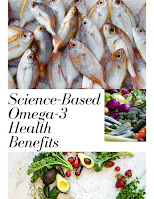
In fact, nutrition is medicine. Think nutrition first before you think of medicine.
Omega-3s’ is a kind of polyunsaturated fatty acid (PUFA) that is essential because your body cannot produce these oils on its own. So we need to take either by food, this is the best way; if not or not sufficient then by taking a supplement.
Moreover, omega-3 fats are a crucial part of human cell membranes. These features make omega 3s vital.
First of all, let’s have a look at the types of omega 3 polyunsaturated fatty acids (List of omega−3 fatty acids):
- α-linolenic acid (ALA),
- stearidonic acid (SDA),
- eicosapentaenoic acid (EPA),
- docosapentaenoic acid (DPA), and
- docosahexaenoic acid (DHA).
What about dietary sources? In other words which food is omega-3 food? Here’s a list of amounts and types of omega-3s per 100 grams:

- Salmon: 4.0 grams of EPA and DHA
- Mackerel: 3.0 grams of EPA and DHA
- Sardines: 2.2 grams of EPA and DHA
- Anchovy: 1.0 gram EPA and DHA
- Chia seeds: 4.9 grams ALA
- Walnuts: 2.5 grams ALA
- Flaxseed: 2.3 grams ALA
But there's a catch!
What about the omega-3 dosage? How much omega-3 should we take per day?
Omega-3 needs vary by individual. Age and various health factors determine this need. Moreover, health organizations' opinions vary considerably.
The common opinion is we should get every day, that is very clear. However, The FDA suggests dietary supplements should not be taken daily of EPA and DHA higher than 2 g.
For certain health conditions, higher amounts may be recommended.
Cardiovascular Disease
Omega-3 fatty acids are essential nutrients that are important in preventing heart disease. Omega-3 fatty acids are known to regulate blood pressure and reduce the chance of abnormal heart rhythm, triglycerides ( 1 ).
Studies revealed that the diet rich in marine mammals and fish reduced the incidence of cardiovascular disease significantly and keeps the cardiologist away (2 )!
The more a high-fat diet is consumed, the more cardiovascular diseases and related mortality rates increase. It is found that DHA-enriched high–oleic acid canola oil improves lipid profile and lowers predicted cardiovascular disease risk in the canola oil multicenter randomized controlled trial (3 ).
Several studies and reviews based on clinical trials have shown that omega-3 could provide a survival benefit to cardiovascular disease by preventing sudden cardiac death and improve the outcomes from heart failure (ie 4 ).
So you need to consume omega-3 containing foods to prevent heart attack.
Please read the omega-3 review for the Science-Based Omega-3 Health Benefits review for more details.