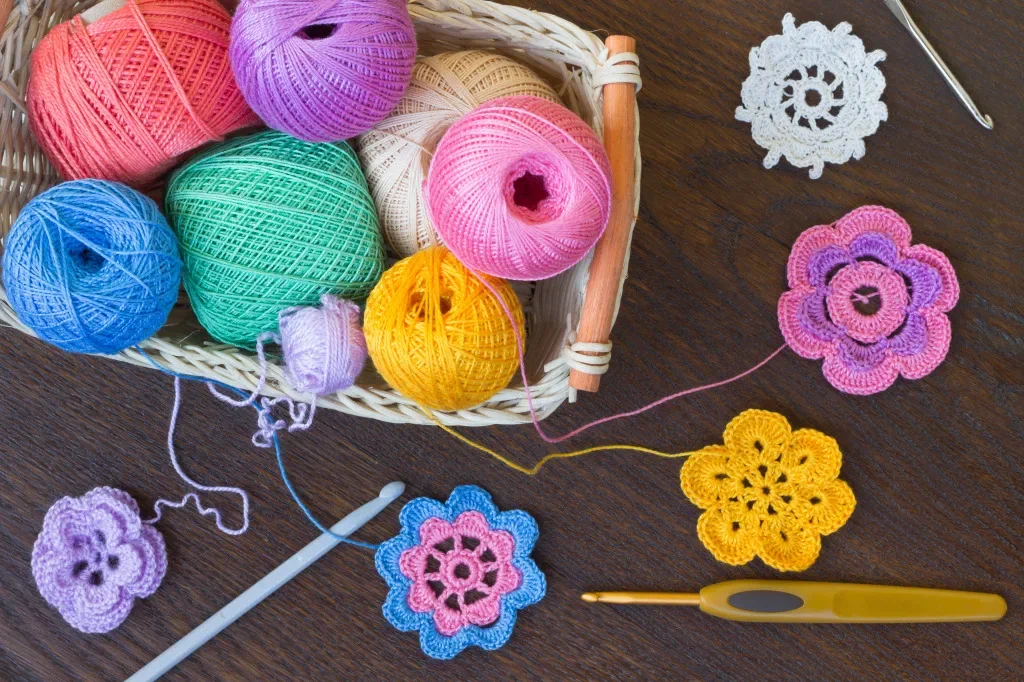
In the second article of the introductory cycle, we will look at types of yarn which use in crocheting.
At the begining it should be indicated that all yarn is divided by seasons: summer, winter and all-season. This is done so that the craftswoman doesn't accidentally choose wool yarn as the main material for knitting a summer cardigan.
The main division is made according to the composition of the yarn, into four categories:
1) Natural animal origin;
2) Natural vegetable origin;
3) Artificial, produced on the basis of cellulose;
4) Synthetic.
Let's consider individual types of yarn from each category.
Natural animal origin
Natural animal origin
- wool - it is obtained from sheared sheep wool. The most important quality of this type of thread is fineness, that is, the thinner the thread, the softer and more delicate the yarn and, accordingly, the product itself from it.
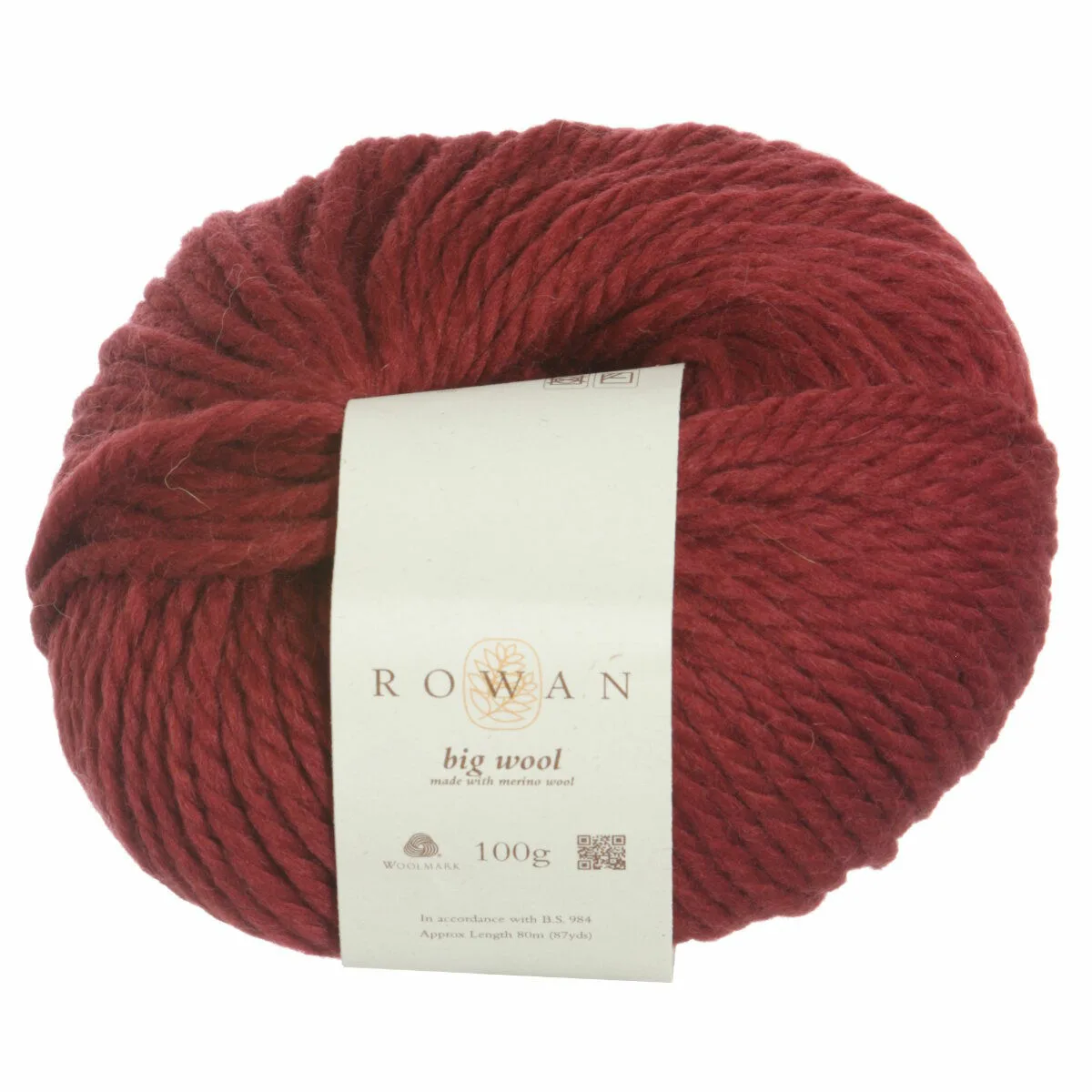
- Mohair - the wool of angora goats (domestic breed) - is one of the warmest natural materials. Mohair is mixed with acrylic or nylon, so the yarn becomes more durable and shiny.
- Cashmere - the undercoat of a mountain goat, got its name from the place where it first began to be produced - the Kashmir region. Most often on sale you can find skeins with a 30% cashmere content, which is made specifically to ensure that products made from this yarn last as long as possible, because things with a high content of cashmere wool wear out very quickly
- Silk is considered the most expensive type of raw material for knitting threads, since it is the only type of thread that comes ready-made. In the modern world, silk is very often called all kinds of shiny silky threads, such as viscose, acetate, nylon and others. Silk products have increased hygroscopicity and also resistant to creasing
Natural vegetable origin and artificial based on cellulose
- Cotton - made from cotton boll fiber, is a short soft fiber twisted around its axis. Cotton products are breathable and hygienic, but not wrinkle resistant and get wet quickly
- Nettle - It is made from the South Asian ramie plant, called Chinese nettle. Its fibers have high wear resistance and strength, as well as natural luster.
- Bamboo - consists of bamboo fibers, has ecological purity, natural antimicrobial properties, softness, natural shine, hypoallergenic. Therefore, bamboo is great for making details for a summer look
- Viscose - viscose fiber is made from liquid solutions of natural cellulose: from spruce, pine wood, stems of some plants, etc. For knitting in its pure form, viscose is not so common, it is usually used as part of a blended yarn, most often with cotton or nylon. Most often, these threads are used to knit clothes that can be worn, regardless of the time of year.
Synthetic
- Acrylic - due to its volume resembles wool yarn, which in many cases partially replaces to give the yarn additional strength, wear resistance, elasticity. Yarn made from a mix of acrylic with natural fibers combines the best qualities of natural fibers and synthetics — it is soft, warm, fluffy, and at the same time durable, the product "breathes", holds its shape well, doesn't shrink and stretch.
- Nylon is an incredibly elastic, lightweight and durable fiber. It is ideal for use as an addition to the warp yarn, making the yarn wear resistant and preventing shrinkage.
- Lurex is not a fiber, but a metal additive in the form of a thread that can decorate a product. It is connected to the main thread, which can be either synthetic or natural. It looks very impressive in a knitted canvas.
Conclusion
We have analyzed the main types of yarn that are used in crocheting. Of course, there is much more of it than can fit into one article, but we have enough for the basics knowledges.
In the next article we will talk about how to choose the right hook for the thread and not make a mistake.
And surely don't forget to subscribe!