The Bhagavad Gita is a 700-verse Hindu scripture that is part of the epic Mahabharata, dated to the second half of the first millennium BCE, and it forms the basis of modern Hinduism since Shankaracharya - for the past 1233 years.
- Some consider it to be the exact conversation between Arjuna and Sri Krishna on the battlefield.
- Others consider it to be a philosophical/devotional poem written by one unknown author, the mysterious (Vyāsa - “the compiler”)
- Others like the Marathi Sanskrit scholar Dr. Gajanan Shripat Khair (1898–1986) argue that it is a composite work of 3 different unknown authors. He basis his theory on the language and syntax of the work.
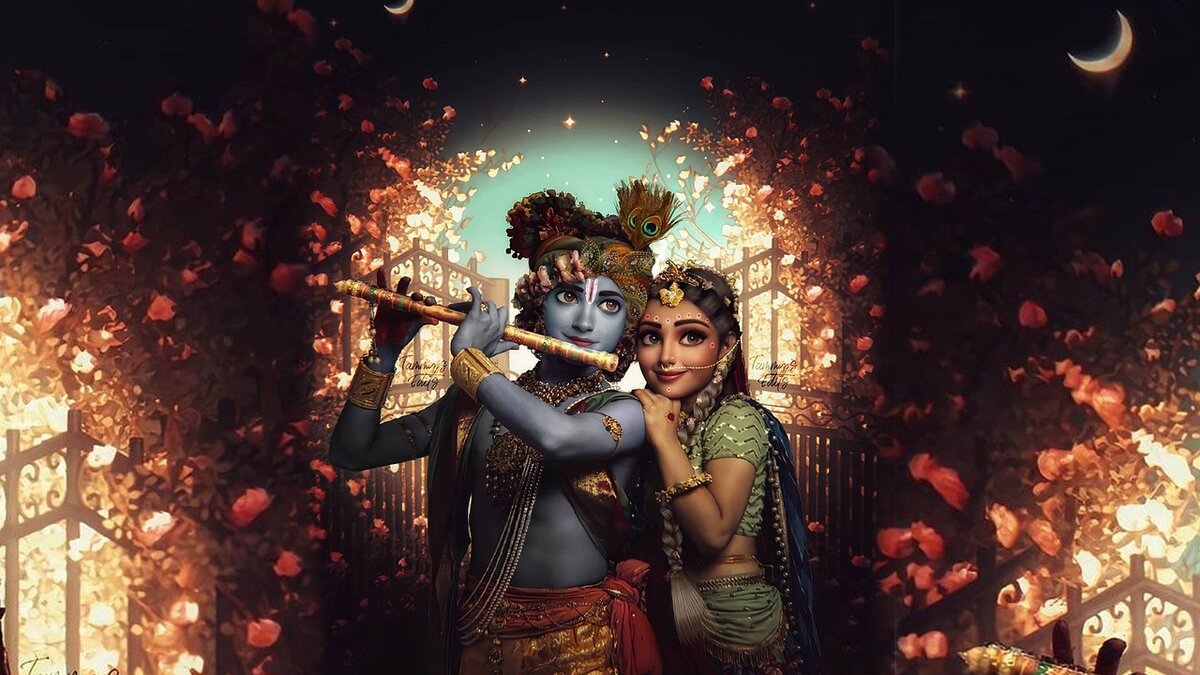
It’s importance and authority does not depend on its “Divine Source” – but rather on the subject, which is coached in rational arguments with an emphasis on practice (abhyāsa) and experience (Anubhav).
The subject of the Gita is threefold:–
- the nature of the Self (ātman) - Jñāna yoga
- the nature of God (Brahman) - Bhakti-yoga
- the nature of the life in the world (samsāra) and the way to live the good life—Karma-yoga.
So the Gita is not a litany of commands and demands from a God to his creature, it is a conversation between friends—question and answer. And at the end, Krishna says;–
iti te jñānam ākhyātaṁ guhyād guhyataraṁ mayā | vimṛśyaitad aśeṣeṇa yathecchasi tathā kuru || 63 ||18:63. Thus I have taught you that knowledge which is the greatest of all mysteries. Reflecting on it thoroughly, do what you will.
To me, this is the crowning statement of the Gita - no threats of punishment for disbelief or not following the teaching. It is simply spiritual advice—follow it or not—up to you – but I will always be your friend, supporter, and well-wisher—says Krishna.
Or you may cherry-pick what you like most and follow that according to your
- svabhāva = personal nature.
- bhūmika = level of development
- adhikāra = your capacity.
So whether it is really the teaching of God or a great Guru (Krishna is known as the Jagat-guru or World-teacher) or the composition of 3 brilliant insightful poets—it doesn’t matter—it is the content that matters.
Thanks, Yoglica